







The Post-Pandemic Push
A significant driver of the current travel surge is a simple, powerful human emotion: the desire to make up for lost time. After years of pandemic-related restrictions and uncertainty, many Indians are no longer willing to postpone their travel dreams.
This phenomenon, often dubbed 'revenge travel', has shifted consumer priorities. For a growing number of young professionals, dual-income households, and families, an annual international holiday is no longer seen as a mere luxury but as an essential lifestyle expense worth budgeting for. The experience of travel is now being valued over other discretionary spending, creating a resilient demand that seems undeterred by higher costs.
Redefining Value for Money
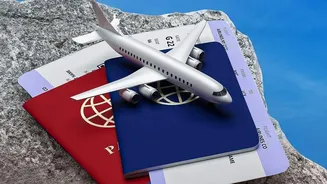
While flight tickets are expensive, the definition of a 'value' holiday is also changing. Many Indian travellers are discovering that the total cost of a trip to certain international destinations can be surprisingly competitive with a similar-quality vacation within India. For instance, the cost of a flight and stay in some parts of Southeast Asia or the Middle East can sometimes rival peak-season prices for popular domestic tourist circuits. This calculation has led many to prioritise the novelty and prestige of an international stamp in their passport, especially when the overall cost feels comparable. This trend is amplified by the increasing availability of visa-friendly destinations that are actively courting Indian tourists.
The Experience Economy
Today's travel decisions are being shaped less by destination and more by the experience on offer. Recent industry reports highlight a major shift towards culture-led tourism. A survey in mid-2026 found that two-thirds of Indian travellers now plan their holidays around specific cultural events, festivals, or culinary trails. This focus on experiences means travellers are more intentional and willing to plan and save for trips that align with their personal interests, be it exploring the heritage of Uzbekistan or attending a festival in Europe. This experience-first mindset makes the cost a secondary, albeit important, consideration to the primary goal of the trip.
Navigating the High Costs
There's no denying that airfares are high, pushed up by factors like elevated jet fuel prices, lingering post-pandemic supply chain issues for airlines, and robust demand. International fares from India have seen significant double-digit percentage increases compared to pre-pandemic levels. However, travellers are becoming smarter. Data shows a clear trend towards planning well in advance, with many travellers now booking three to six months ahead to secure better prices. There's also a growing preference for destinations with better air connectivity and more budget airline options. Countries in Southeast Asia and the Middle East, such as Thailand, Vietnam, and the UAE, continue to be popular, balancing higher airfares with affordable on-ground costs.