


Start With an Accent Wall
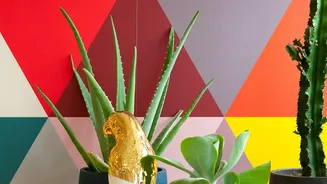
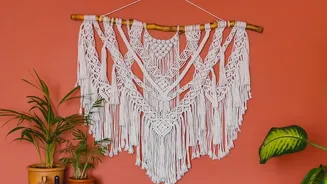
One of the fastest ways to introduce a new colour scheme is by painting a single accent wall. This low-commitment project can be completed in an afternoon but dramatically changes the mood of a room. For a classic vintage feel, consider colours that have
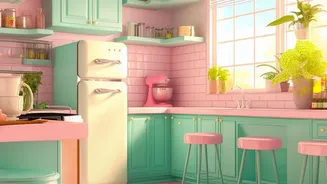
a slightly muted or dusty quality. Think of the earthy tones popular in the 1970s, like terracotta, ochre, or olive green. If you prefer a lighter, more cheerful vibe reminiscent of the 1950s, soft pastels like mint green or baby blue are excellent choices. These colours provide a strong vintage foundation and can serve as a backdrop for other decor elements. Always test a paint sample on your wall first, as lighting can significantly alter how a colour appears throughout the day.
Incorporate Richly-Hued Textiles
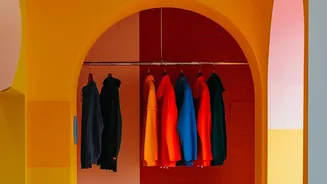
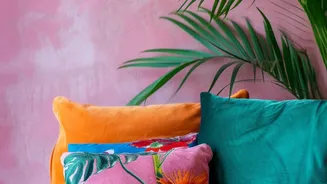
Textiles are your secret weapon for adding colour and texture quickly and affordably. Swapping out cushion covers, adding a new throw blanket, or laying down a vintage-inspired rug can instantly infuse a room with your chosen palette. Look for fabrics that feature classic vintage colours like burgundy, mustard yellow, and deep navy blue. These shades pair beautifully with neutral furniture. Even a single statement piece, like a patterned lumbar cushion on a bed or a colourful tablecloth, can pull a whole room together. Don't be afraid to mix and match patterns; layering vintage fabrics with more modern prints can create a rich, characterful look.
Paint a Piece of Furniture
Give a tired piece of furniture a new lease on life with a fresh coat of paint. A bookshelf, side table, or wooden chair can become a vibrant focal point. This is a perfect opportunity to experiment with bolder vintage colours that you might hesitate to put on a whole wall. For instance, a cabinet painted in a deep, moody green or a blackened blue can ground an eclectic room. To achieve a furniture-like finish, be sure to use the right kind of paint, like an ADVANCE interior paint, which provides a durable and professional look. Remember to start with a neutral foundation in your room, like white or beige walls, to allow your colourful vintage furniture to truly stand out.
Focus on Small Decor Accents
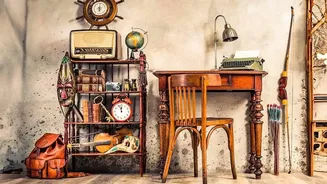
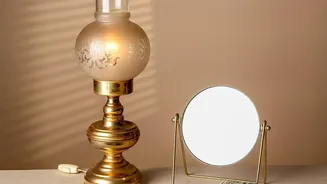
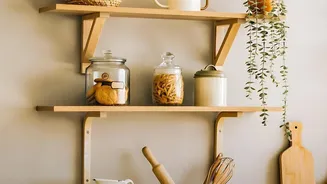
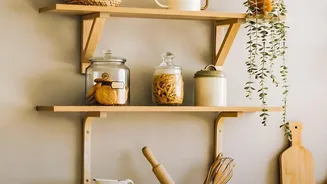
If you're not ready for a big change, start small. Grouping together decorative accessories in a cohesive vintage palette is a subtle yet effective strategy. Think about curating a collection of antique books, framed botanical prints, or ceramic vases in shades of sage green, dusty rose, and muted blues. These items add personality and charm without requiring a major overhaul. You can find these treasures at flea markets and antique shops. Arranging these objects on a bookshelf or mantelpiece creates a curated vignette that tells a story and adds a layer of vintage sophistication to your space.
Use Patterns to Your Advantage
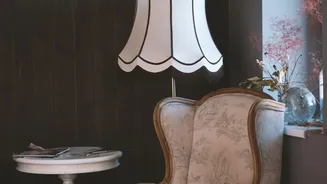
Vintage design is not just about solid colours; it's also about iconic patterns. Introducing textiles or even wallpaper with classic vintage motifs is a fantastic way to bring in colour. Floral wallpaper, for example, can introduce multiple faded hues at once, such as dusty pinks and pale greens. For a '60s vibe, look for psychedelic or geometric prints that feature colour combinations like avocado green with black and white. Even in small doses, such as on a lampshade or as a piece of framed fabric art, these patterns can add significant visual interest and a sense of nostalgic fun.
Choose the Right Neutrals
A successful vintage look isn't only about bright or deep colours; the right neutral background makes everything else pop. Instead of stark, brilliant whites, opt for warmer, softer off-whites, creams, or beiges. These shades have an aged quality that complements vintage palettes and creates a gentler, more inviting atmosphere. Paint companies offer curated vintage palettes that often include these foundational neutrals, like 'Baby's Breath' or 'Seapearl', which can be used on walls and trim to provide a cohesive and timeless backdrop for your more colourful vintage finds.