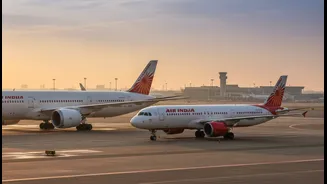

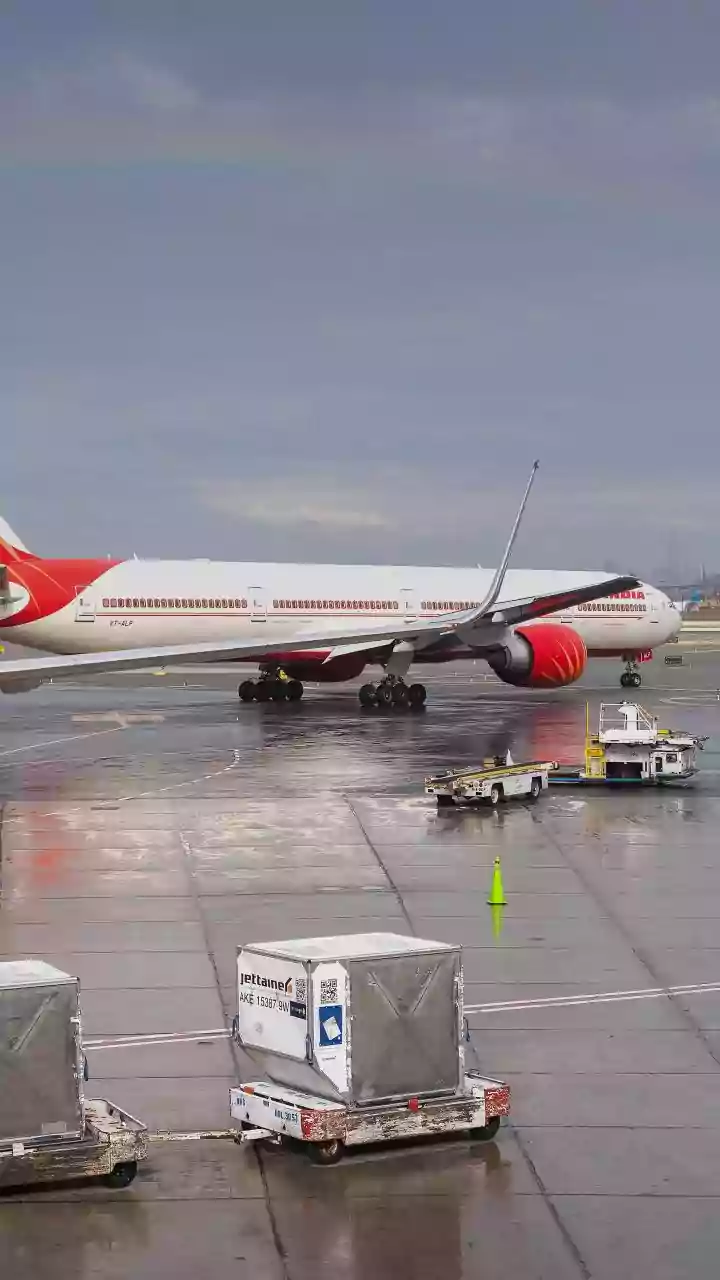







The Tale of Two Aircraft Types
At the heart of Air India's grand transformation is a massive fleet renewal, centered on one of the largest aircraft orders in aviation history. The plan involves hundreds of new planes from both Airbus and Boeing. But the genius isn't just in the quantity;
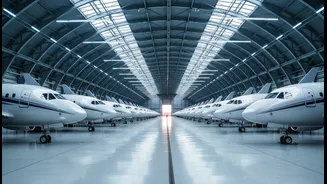
it's in the specific mix of aircraft. The strategy hinges on deploying two main categories of planes: narrow-body and wide-body jets. Each is chosen for a distinct mission. A narrow-body jet, like an Airbus A320neo, has a single aisle and is the workhorse for shorter flights. In contrast, a wide-body jet, like a Boeing 777 or Airbus A350, features two aisles and is built for long-haul international journeys. By building a pipeline of both, Air India is preparing to fight a war on two fronts: dominating its home turf while simultaneously challenging global giants on lucrative international routes.
Fortifying the Domestic Fortress
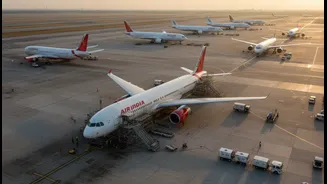
The narrow-body jets, primarily the Airbus A320neo family and Boeing 737 MAX models, form the backbone of Air India's domestic and short-haul international strategy. These aircraft are fuel-efficient and perfectly sized for high-frequency flights between major Indian metro cities and to destinations in the Gulf and Southeast Asia. This part of the fleet allows Air India and its low-cost subsidiary, Air India Express, to compete directly with budget carriers that have long dominated the Indian skies. By deploying new, reliable, and comfortable single-aisle planes, the airline aims to capture a larger share of the booming domestic travel market, offering passengers more choices, better connectivity, and an improved onboard experience as older planes are phased out or retrofitted.
Connecting India to the World
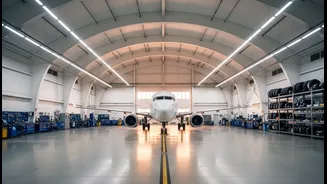
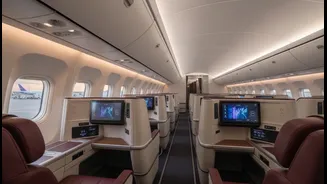
The second part of the strategy involves the new fleet of wide-body aircraft, including the state-of-the-art Airbus A350, Boeing 787 Dreamliner, and the upcoming Boeing 777X. These planes are Air India's ticket to becoming a premier global carrier. With their long range, they can connect Indian cities directly to key economic hubs in North America, Europe, and Australia without a stopover. This is a direct challenge to Middle Eastern airlines that have historically dominated India's long-haul traffic via their hubs. The introduction of new planes like the A350 brings not just range but also a significantly upgraded passenger experience with modern cabins, introducing features like a Premium Economy class on more routes. More than half of the airline's wide-body fleet is expected to feature modernised cabins by the end of 2026.
A Network Built on Flexibility
The mixed-fleet strategy provides immense flexibility. During periods of geopolitical tension or airspace closures that have recently impacted global aviation, Air India has demonstrated its ability to adapt. For instance, the airline has deployed its wide-body Boeing 787s and 777s to add extra flights to Europe and North America to meet sustained demand, while using its narrow-body A320neos to bolster regional connectivity. This ability to shuffle the deck—using the right aircraft for the right mission based on current demand and operational reality—is crucial. As CEO Campbell Wilson has noted, the transformation is a five-year journey, and having a modern, versatile fleet is essential to navigate challenges like supply chain issues and build a resilient network.
The Passenger Payoff
For travelers in India, this dual-pronged expansion promises a new era. Domestically, it means more flights on new aircraft, increased reliability, and heightened competition. Internationally, the promise is even greater: more non-stop flights to desirable destinations, reducing travel time and the hassle of connections. The ongoing retrofitting of older aircraft and the induction of new ones means passengers will increasingly experience modern interiors, better in-flight entertainment, and new cabin classes. While the airline navigates the complexities of this massive overhaul, which has included some temporary route rationalisation, the long-term vision is clear: to build a world-class airline that makes India a major global aviation hub.