
What is BRICS and Why Does It Matter?
BRICS is a coalition of major emerging economies, originally Brazil, Russia, India, and China, with South Africa joining later. More recently, it has expanded to include countries like Egypt, Ethiopia, Iran, and the United Arab Emirates, significantly
increasing its global footprint. The bloc isn't a formal military alliance or a treaty-based organisation, but rather a platform for its members to increase their collective voice in global affairs and champion a more 'multipolar' world not dominated by Western powers. Together, the expanded bloc now accounts for nearly half the world's population and a share of global GDP that rivals the G7 group of developed nations. The goal is to coordinate on issues of trade, finance, and politics, and build alternatives to institutions like the World Bank and IMF, which members feel are overly influenced by the West.
The Opportunity: A New Global Blueprint
The promise of BRICS lies in its potential to create a different model for global governance. A key opportunity, discussed intensely during India's 2026 presidency, is shifting away from dependence on the US dollar. This isn't necessarily about creating a single new currency—a complex and unlikely prospect—but rather about boosting trade in local currencies and developing alternative payment systems. By doing so, members could insulate their economies from the effects of US sanctions and monetary policy. Another major opportunity is the New Development Bank (NDB), the bloc's answer to the World Bank, which provides funding for crucial infrastructure and sustainable development projects without the political strings often attached to Western lending. As India hosts ministerial meetings on everything from digital cooperation to environmental action, the focus is on creating practical, action-oriented outcomes that benefit the developing world, or Global South.
The Limit: A House Divided
For all its potential, the greatest challenge for BRICS comes from within. The relationship between its two most powerful members, India and China, is fraught with geopolitical rivalry and unresolved border disputes. This fundamental tension complicates consensus on almost every major issue. Russia's international isolation and increased reliance on China also create an awkward dynamic within the group. Furthermore, the members have vastly different political systems and interests. For instance, while Russia and China may push for a more explicitly anti-Western agenda, India and Brazil are keen to maintain their strategic autonomy, balancing their BRICS membership with crucial ties to the United States and Europe. These internal fractures mean the bloc often struggles to present a united front on major global crises.
India's High-Stakes Balancing Act
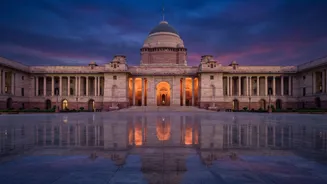
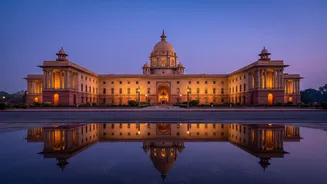
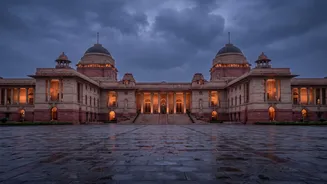
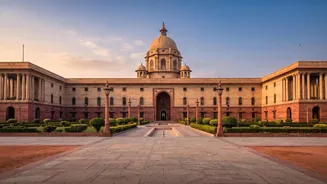
For India, hosting the 2026 BRICS summit in New Delhi is a delicate diplomatic dance. The government's theme for its presidency is “Building for Resilience, Innovation, Cooperation and Sustainability,” signalling a desire to focus on a constructive, people-centric agenda. India has been a strong proponent of using the platform to advance priorities like counter-terrorism cooperation, digital public infrastructure, and reform of the UN Security Council. However, New Delhi often finds itself caught in the middle. It resists efforts by Beijing and Moscow to frame the bloc as purely anti-Western, preferring to see it as one pillar of a multipolar world where India can maintain relationships with all sides. As discussions around sensitive topics like de-dollarisation intensify, India must navigate pressures from its BRICS partners while safeguarding its own strategic interests and partnerships with the West.