



The Great Banana Timing Debate
Many of us have heard the warnings: don't eat a banana first thing in the morning, or avoid it before bed. The concerns are often linked to its natural sugar content. A medium-sized banana contains about 14-15 grams of sugar. The theory is that eating
it alone on an empty stomach can cause a rapid spike in blood sugar, followed by a crash that leaves you feeling tired and moody. Some also point to its acidic nature, suggesting it could cause digestive discomfort for some individuals if eaten alone. While there's a kernel of truth in the blood sugar concern, the idea of a strict 'bad' time to eat a banana is largely a myth for most healthy people. The focus on timing misses the bigger, more important picture of balanced nutrition.
Why 'What' Matters More Than 'When'
The key to understanding how your body processes a banana isn't about the clock; it's about what else is in your stomach. When you eat a carbohydrate-rich food like a banana by itself, your body digests it relatively quickly, releasing its sugars into the bloodstream. This can cause that dreaded blood sugar spike. However, when you pair that same banana with foods containing protein, healthy fats, or fiber, everything changes. These nutrients slow down the digestion and absorption of the banana's sugars. Instead of a sudden rush, you get a slower, more gradual release of energy. This simple strategy helps to keep your blood sugar levels stable, provides longer-lasting satiety, and prevents the energy crash and cravings that can follow.
The Art of Smart Pairing
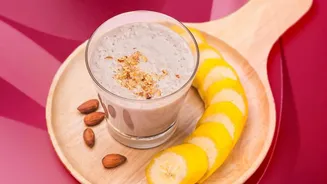
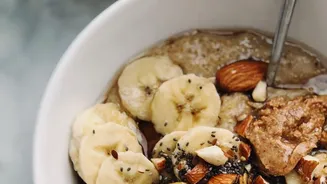
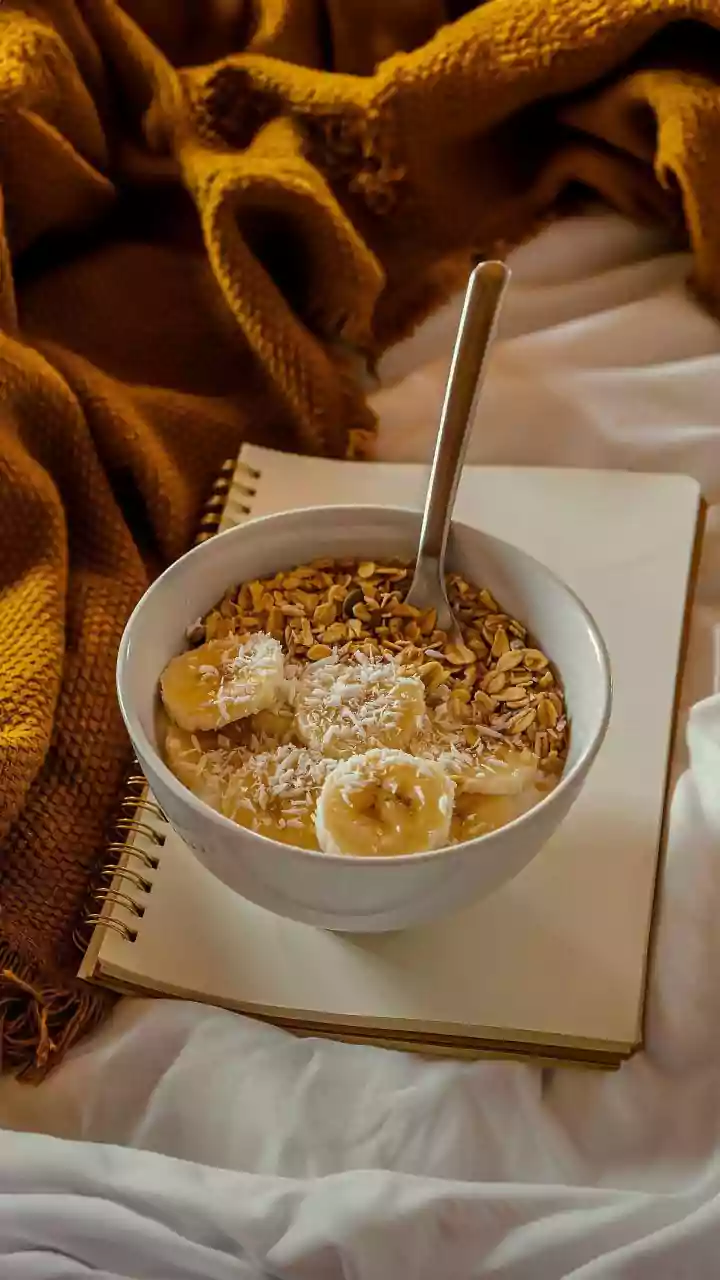
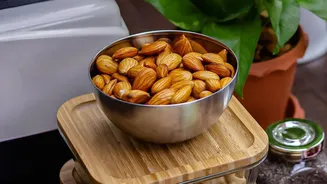
So, what should you eat with your banana? The options are plentiful and delicious. Pairing a banana with a source of protein or fat is the most effective strategy. Think about adding a sliced banana to a bowl of plain Greek yogurt, which provides a healthy dose of protein. Spreading a tablespoon of peanut or almond butter on banana slices adds both protein and healthy fats. Blending a banana into a smoothie with protein powder, chia seeds, or a handful of spinach is another excellent way to create a balanced meal. Even a small handful of nuts like almonds or walnuts alongside your banana can make a significant difference in how your body manages the sugar, keeping you feeling full and energised for longer.
Don't Forget Why Bananas Are Great
Amidst all this talk of sugar and pairings, it's easy to lose sight of the fact that bananas are incredibly nutritious. They are an excellent source of essential nutrients your body needs. A single medium banana provides a significant portion of your daily potassium needs, a mineral crucial for heart health, blood pressure regulation, and proper muscle function. They are also packed with vitamin B6, which is important for brain health and metabolism, and offer a respectable amount of vitamin C and manganese. Furthermore, bananas are a good source of dietary fiber, including prebiotics, which feed the good bacteria in your gut and support healthy digestion. These benefits make them a valuable addition to a healthy diet.