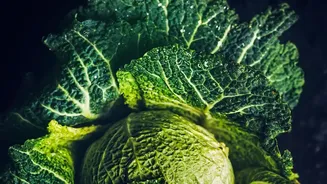








The Dangers Hiding in Your Greens
Wet weather, especially during the Indian monsoon, creates a perfect breeding ground for a host of unwanted guests on our leafy vegetables. The high humidity and damp soil encourage bacteria, fungi, and parasites to flourish. Rain can splash soil-borne
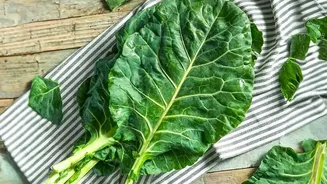
bacteria like E. coli and Salmonella onto the leaves, while the constant moisture attracts pests like slugs, snails, and worms, who find a perfect home in the intricate folds of cabbage and lettuce. Their leaves have numerous layers where mud, moisture, and tiny insects can become trapped, making them a high-risk food if not handled correctly. Even after a good wash, some germs and microscopic eggs may remain.
Why a Simple Rinse Isn't Enough
Holding a head of lettuce or cabbage under a running tap for a few seconds is not sufficient, particularly during the rainy season. The complex, tightly packed structure of these vegetables makes it incredibly difficult for water to penetrate the deepest layers where contaminants hide. Pests and their larvae can be nestled deep within the core, completely shielded from a superficial rinse. Furthermore, a quick wash does little to dislodge stubborn bacteria that may have adhered to the leaf's surface. To truly ensure your greens are safe to eat, a more methodical, leaf-by-leaf approach is necessary to physically remove both visible dirt and invisible microbes.
Your Leaf-by-Leaf Cleaning Guide
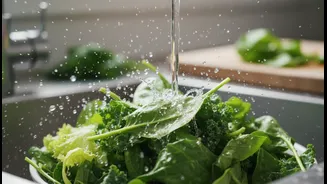
Adopting a thorough cleaning process can drastically reduce the risk of foodborne illness. First, prepare the vegetables by removing and discarding the outermost, often bruised or torn, leaves of the cabbage or lettuce head. Then, separate the remaining leaves from the core. Submerge these individual leaves in a large bowl of cold, clean water for a few minutes to help loosen sand and dirt. Some sources suggest adding a small amount of vinegar or salt to the water to help dislodge pests and reduce bacteria. After soaking, take each leaf and gently rub it with your fingers under cool running water, paying close attention to any crevices. Finally, dry the leaves thoroughly using a clean towel or a salad spinner. Removing excess moisture not only makes for a crispier salad but also inhibits the growth of any remaining bacteria.
The Special Case of Cabbage and Tapeworms
Cabbage has often been linked with a frightening risk: tapeworm eggs that can lead to a brain infection called neurocysticercosis. This condition is real and serious, caused by ingesting the eggs of the pork tapeworm, Taenia solium. These microscopic eggs can contaminate vegetables through soil or water that has been mixed with faecal matter. While any raw vegetable can potentially carry this risk, the layered structure of cabbage makes it a vegetable of concern. However, it's a myth that these worms are an inherent part of the cabbage itself. The risk comes from external contamination due to poor sanitation. This underscores the absolute necessity of both thorough washing and, even more importantly, proper cooking, which effectively kills the eggs and removes the risk entirely.
Extending Care to All Leafy Greens
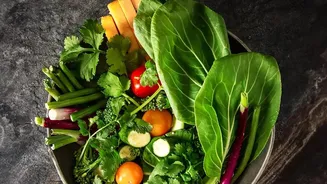
The principles for cleaning cabbage and lettuce apply to all leafy greens, especially during the monsoon. Vegetables like spinach (palak), fenugreek (methi), and even the florets of cauliflower and broccoli require extra attention. These vegetables also have complex structures with many nooks and crannies where moisture, pests, and microbes can hide. Tightly packed cauliflower florets can trap dirt and insects, making them difficult to clean with just a surface rinse. Always take the time to separate, soak, and individually wash these vegetables as well. It's also wise to avoid pre-cut vegetables during this season, as the combination of heat and humidity allows bacteria to multiply much faster on exposed surfaces.