







Meet the Intruders: Common Pantry Pests
The first step in winning any battle is knowing your enemy. Pantry pests are typically small beetles or the larvae of moths that thrive in stored, dry food products. In Indian kitchens, you are most likely to encounter culprits like the Indianmeal moth,
rice weevils, and flour beetles. The adult moths themselves are often harmless, but their larvae are voracious eaters that contaminate food with webbing and droppings. Beetles, both in their adult and larval stages, will happily chew through everything from grains and spices to dried fruit and nuts. These pests aren't necessarily a sign of a dirty kitchen; they often hitch a ride into your home inside contaminated food packages from the grocery store. From there, a small problem can quickly multiply.
An Open Invitation: What Attracts Pests
Pantry pests are looking for three things: food, shelter, and a good place to lay their eggs. Your pantry often provides all three in abundance. The primary attractant is, of course, accessible food. Cardboard boxes, paper bags, and thin plastic packaging are no match for a determined pest. They can chew through flimsy containers or simply crawl through unsealed folds. Spilled crumbs and forgotten packets of food at the back of a shelf create a welcoming buffet. Furthermore, moisture and humidity, especially common during monsoon season, can accelerate food spoilage and create an environment where pests thrive. Warm, dark, and undisturbed corners of a cupboard are the perfect breeding grounds, allowing a few stowaway eggs to escalate into a full-blown infestation.
Fort Knox Your Kitchen: Proactive Prevention
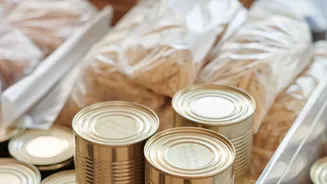
The best defence is a good offence. To keep pests out, you must make your pantry as inhospitable as possible. The single most effective strategy is to upgrade your storage. Decant all dry goods—like rice, dal, flour, spices, and even pet food—into airtight containers made of glass, metal, or sturdy plastic. This creates a physical barrier that pests cannot penetrate and also seals out air and moisture, keeping food fresher for longer. Adopt a “first in, first out” system for your groceries, using older items before new ones to ensure nothing gets forgotten in the back. A regular cleaning schedule is also crucial. Once every few months, empty your shelves completely, vacuum up any crumbs from corners and crevices, and wipe everything down with soap and water.
Damage Control: Handling an Active Infestation
If you’ve discovered pests, you must act decisively to eradicate them. The first step is to identify and discard any and all infested food. Be ruthless; check everything, as larvae can migrate to nearby packages. Seal the contaminated items in a plastic bag and remove them from your home immediately. Next, empty the pantry entirely and begin a deep clean. Vacuum every shelf, paying special attention to corners, cracks, and shelf-peg holes where eggs and larvae can hide. After vacuuming, wash all surfaces with hot, soapy water. Some experts also recommend a final wipe-down with a solution of equal parts white vinegar and water. Do not use bleach or chemical pesticides inside food storage areas, as they can be hazardous.
Keeping Watch: Long-Term Vigilance
Once your pantry is clean and restocked in airtight containers, a little ongoing maintenance can prevent a recurrence. Before buying, inspect packaging at the store for any rips, holes, or signs of webbing. To be extra safe, you can freeze new bags of flour or grains for four to seven days after purchase to kill any potential hidden eggs or larvae. Natural repellents can also help. Placing a few dry bay leaves inside your containers or on shelves is a time-tested trick, as many insects dislike their scent. You can also place pheromone traps designed for pantry moths to monitor for any new activity. These traps attract and catch adult moths, alerting you to a potential problem before it takes hold again.