

Why Retro Patterns Are Resurfacing
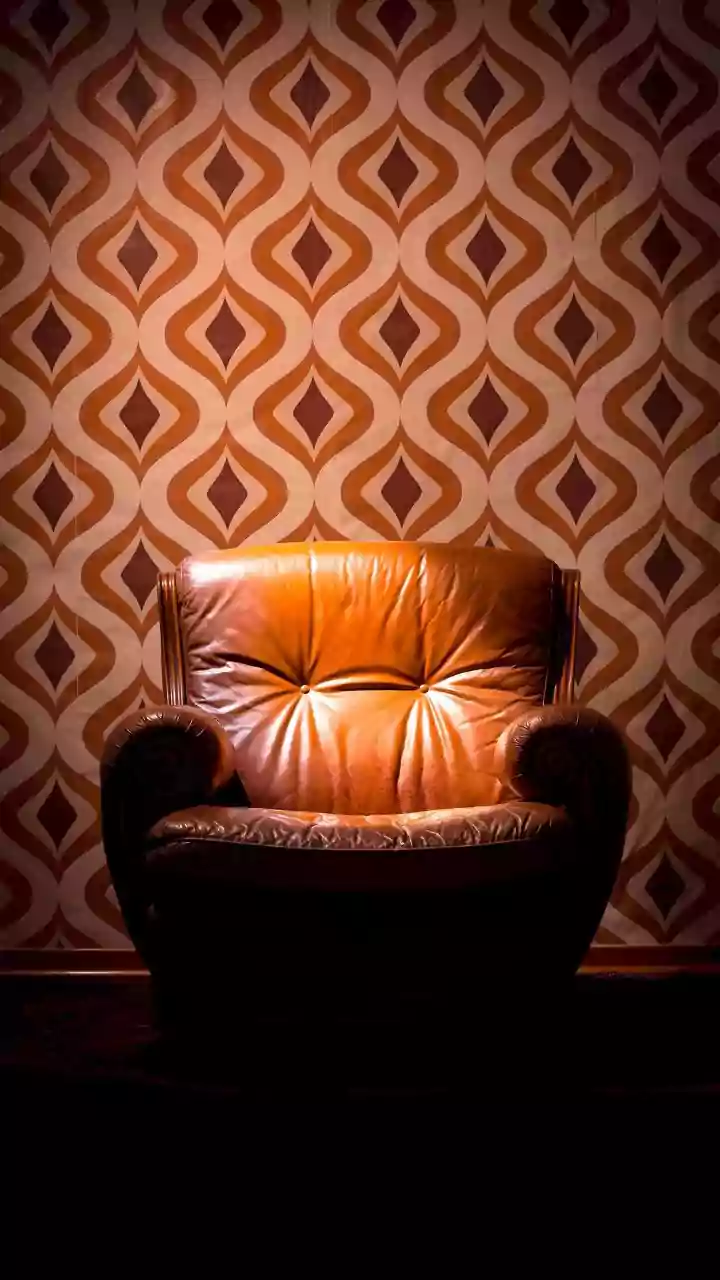
After years dominated by minimalist and Scandinavian design, there’s a collective craving for homes with more personality. Trends like maximalism and 'dopamine decor' encourage us to fill our spaces with things that bring us joy, and what’s more joyful
than a vibrant pattern? Retro prints from the 70s and the Art Deco era are returning as we move away from muted palettes toward more decorative and opulent styles. These patterns aren’t about creating a time capsule; they’re about using vintage inspiration to create a unique, layered, and deeply personal home that feels both nostalgic and refreshingly modern.
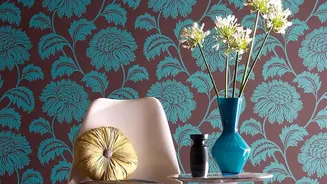
The Timeless Allure of Floral Wallpaper
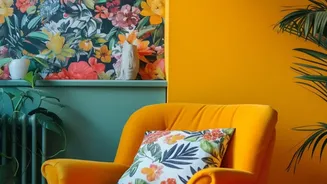
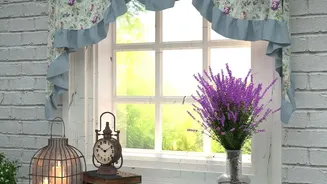
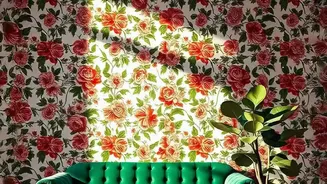
Floral wallpaper is a design classic for a reason. It brings the beauty of nature indoors and can set a wide range of moods, from romantic and serene to dramatic and moody. The key to using it in a modern home is to be intentional. Large-scale, oversized blooms on a feature wall can create a stunning focal point without overwhelming a room. In smaller spaces like powder rooms or entryways, a bold floral can make a huge impact. Don't be afraid to think outside the box; wallpaper can be used to line the back of a bookcase, cover a headboard, or even add a pop of surprise inside a drawer. For a contemporary look, pair a floral wallpaper with clean-lined furniture and natural textures like wood and linen.
Getting Graphic with Geometric Prints
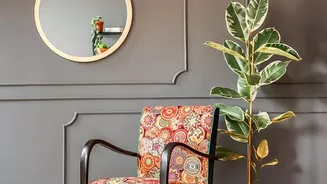
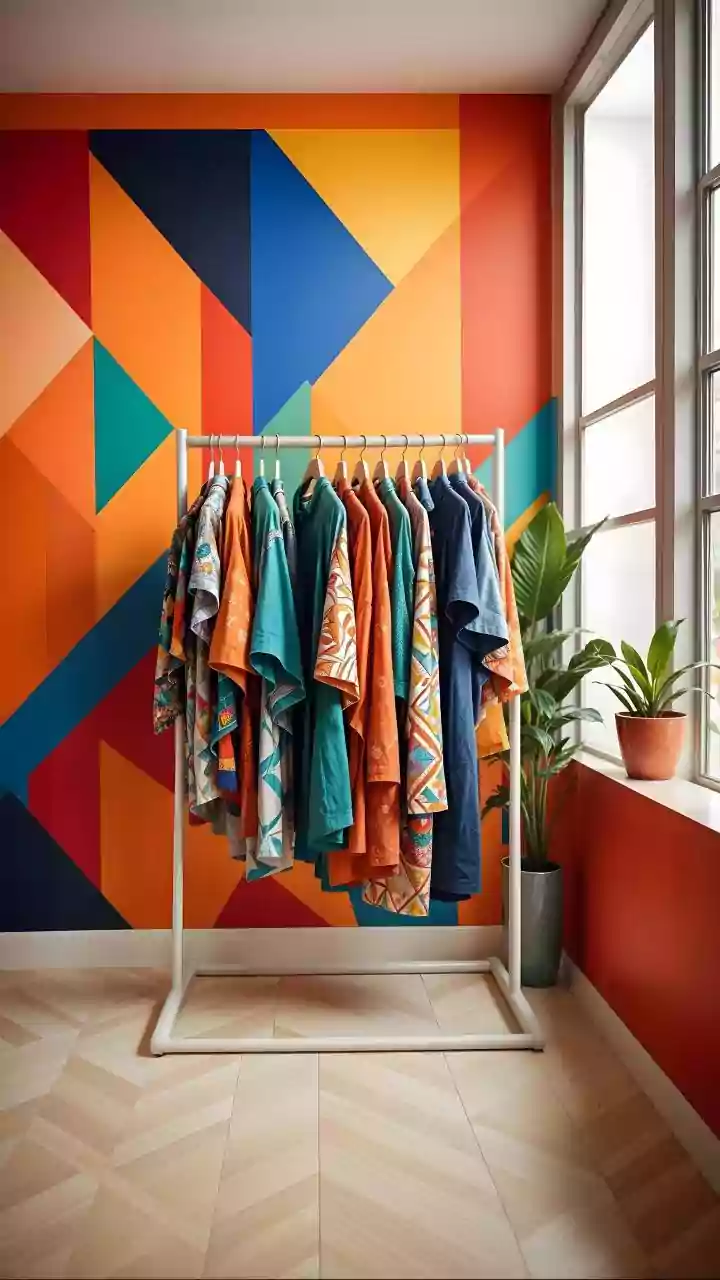
Geometric prints offer a sense of order, rhythm, and sophistication. Their clean lines and repeating shapes make them incredibly versatile. Art Deco-inspired patterns with their arches and fans can bring a touch of glamour, while the chevrons and diamonds of the 70s add a playful, graphic punch. Unlike the fluid lines of florals, geometrics provide structure. They work wonderfully on tiles for a high-impact floor or backsplash, on rugs to anchor a living space, or as bold art prints. Even in a minimalist room, a single piece with a strong geometric pattern, like a cushion or a statement chair, can create a dynamic focal point and add a layer of visual interest.
The Art of Mixing and Matching
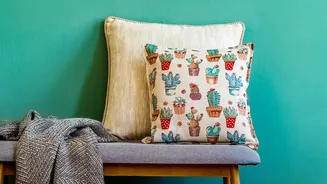
The idea of mixing bold patterns can be intimidating, but a few simple rules make it easy. The most important guideline is to stick to a consistent color palette. If your patterns share a few common colors, they will feel cohesive rather than chaotic. Another key is to vary the scale of the prints. A common designer trick is to combine three patterns: one large-scale, one medium, and one small. For example, you could pair a large floral wallpaper with a medium-scale geometric rug and small-striped throw pillows. This creates a visual hierarchy where not every pattern is shouting for attention at once.
Balancing Boldness with Breathing Room
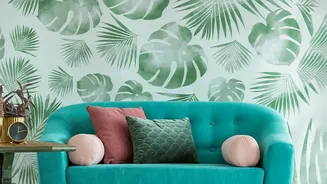
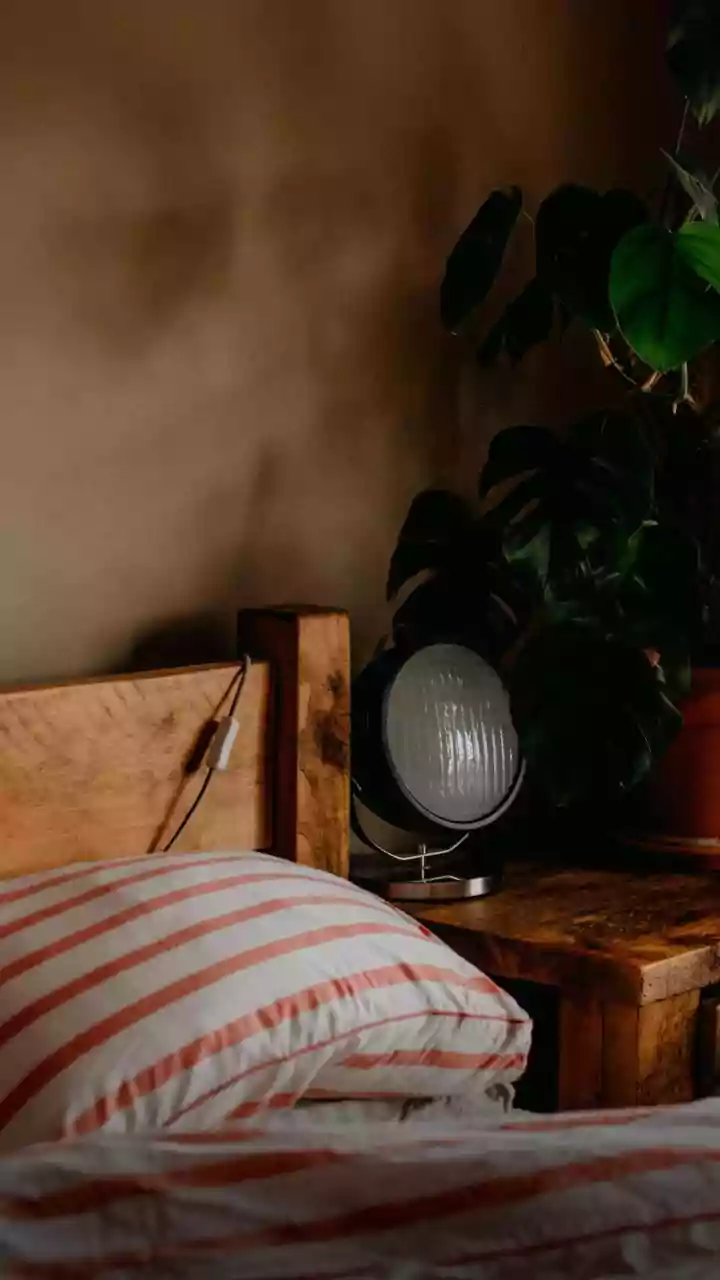
The secret to a successful patterned room is balance. Even the most maximalist space needs 'visual breathing room' to prevent it from feeling cluttered. This is where solid colors come in. Use them on a sofa, a large piece of furniture, or on adjoining walls to ground the space and allow the patterns to shine. Texture also plays a crucial role. A plush velvet sofa, a sleek metal lamp, or a rustic wooden table can provide a much-needed break from the patterns, adding depth and maturity to the design. This thoughtful balance is what elevates a room from busy to beautifully curated.