




A Surprise Bloom in 2026
If you've heard that Munnar's next great Neelakurinji bloom is in 2030, you're not wrong. The massive, park-wide flowering at Eravikulam National Park that captivated the world in 2018 is indeed on schedule for 2030. However, nature has a surprise for those
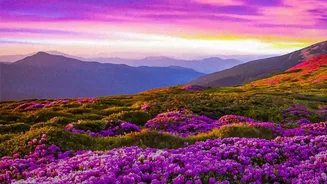
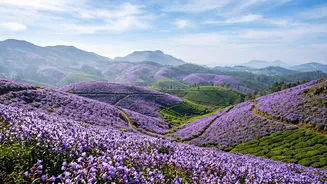
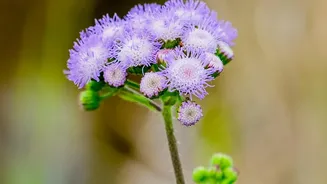
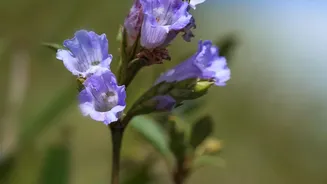
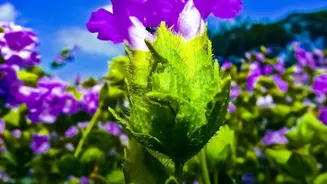
paying attention in 2026. Different populations of Neelakurinji plants in the Western Ghats operate on separate 12-year clocks. This year, a different cluster is having its moment. As of September 2026, the hillsides around Chokramudi and the Mattupetty-Korandakkad range are awash with the iconic purple-blue flowers. This specific population last bloomed in 2014, and right on schedule, it has returned.
The Science of a Rare Spectacle
The Neelakurinji, or Strobilanthes kunthiana, is what's known as a monocarpic plant. It flowers only once in its long life, sets seed, and then dies. This synchronized mass flowering, or masting, is a brilliant evolutionary strategy. By blooming all at once in a 12-year cycle, the plants overwhelm predators and pollinators, ensuring enough seeds survive to start the next generation. The name 'Nilgiris', or 'Blue Mountains', is believed to have been inspired by this very phenomenon, which carpets entire hillsides in a blueish hue. The flower is more than just a visual treat; it's a vital part of the shola grassland ecosystem, providing a feast for insects and enriching the soil when the bloom cycle ends.
Where to See the Flowers Right Now
For travellers hoping to witness the 2026 bloom, the main action is not in Eravikulam National Park, which is waiting for 2030. Instead, current hotspots are the Korandakkad hills near Mattupetty and the slopes of Chokramudi. Thousands of visitors are already flocking to these areas. At Korandakkad, an entry fee of ₹250 for adults is being charged to manage the crowds. For the more adventurous, the trek up Chokramudi peak offers a stunning way to experience the bloom. This 10-kilometre trek is considered relatively easy and provides panoramic views of the blue-carpeted landscape. Local authorities are managing access, so it is crucial to check for the latest instructions before you go. Visitors are strictly reminded not to pluck or damage the plants, which are a protected species.
A Flower Steeped in Culture
The Neelakurinji is deeply woven into the cultural fabric of the region. For the indigenous Paliyan tribe of Tamil Nadu, the 12-year blooming cycle has historically served as a natural calendar to mark their age and important life events. The flower is even mentioned in ancient Tamil Sangam literature, where it is a symbol of love and the passage of time. Its predictable return after a long absence has made it a powerful emblem of patience and natural wonder, connecting generations of people to the rhythms of the mountains they call home.
Planning for 2026 and Looking Ahead to 2030
The current bloom, expected to last through September and October 2026, offers a fantastic and less-crowded opportunity to witness this marvel. However, for those who dream of the sheer scale of the Eravikulam bloom, the main event is still four years away. The 2030 flowering will be centred around the national park, which is the prime habitat for both the Neelakurinji and the endangered Nilgiri Tahr. That event will require significant advance planning, as millions of visitors are expected. For now, the 2026 flowering is a beautiful bonus—a chance to see a more intimate but equally magical version of one of India's greatest natural wonders.