






A Meal Born of Necessity
The story of Pav Bhaji begins not in a fancy kitchen, but on the bustling streets of 19th-century Bombay. During the 1850s and 60s, the city’s textile mills were booming, fueled in part by global events like the American Civil War, which increased demand
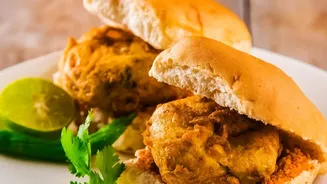
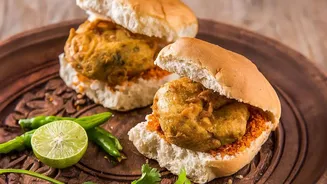
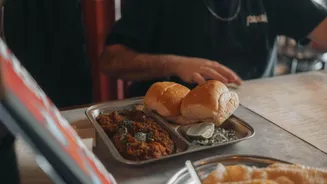
for Indian cotton. Mill workers toiled for long hours and had only short breaks. They needed a meal that was quick, affordable, nutritious, and light enough to allow them to return to strenuous physical labour. Enterprising street vendors rose to the challenge. They created a dish by mashing together various vegetables—often leftovers—into a thick, spicy curry called 'bhaji'. This was served with 'pav', a soft bread roll introduced to the region by the Portuguese, whose word for bread is 'pão'. This combination was the perfect solution: a hot, satisfying meal that could be eaten quickly, often while standing.
From Worker's Lunch to City's Staple
What started as a humble meal for labourers soon captured the hearts of the entire city. Its popularity wasn't just about taste; it was about convenience in a city that never sleeps. As Mumbai grew, so did the legend of Pav Bhaji. It moved from the mill districts to other parts of the city, becoming a late-night favourite for traders at the Cotton Exchange waiting for price updates from New York. It eventually became a fixture at seaside spots like Chowpatty Beach, cementing its status as a go-to dish for leisure and social outings, not just work. The initial perception of it as a quick lunch for workers evolved, and it became an all-day, all-night affair. This transformation is the essence of what 'not just breakfast' truly means; it’s a meal that fits any time, any place, and any person in the city’s relentless pace.
The Great Social Equaliser
On the streets of Mumbai, social hierarchies melt away in front of a sizzling tawa. Pav Bhaji is famously known as the great equaliser. At a roadside stall, you’ll find students, business executives in suits, and daily wage earners all enjoying the same dish, often side-by-side. It transcends economic and social boundaries in a way few other things can. This democratic appeal is central to its identity. The dish is prepared in the open, a spectacle of mashing, mixing, and frying that adds to the shared experience. Served simply on a plate with chopped onions and a wedge of lime, it’s a meal that unites millions, reflecting the city's spirit of accommodation and shared identity.
A Symbol of Mumbai's Spirit
Pav Bhaji is more than just a recipe; it's a reflection of Mumbai's core character. The 'bhaji' itself, a mash-up of various vegetables, mirrors the city's own identity as a melting pot of cultures and communities. The efficiency of its preparation and consumption speaks to the fast-paced, 'jugaad' (innovative and resourceful) nature of Mumbai's residents. Over the decades, the dish has adapted while staying true to its roots. You can now find countless variations, from Cheese Pav Bhaji to Jain versions made without onion or garlic, and it is served everywhere from street carts to five-star hotels. Each adaptation shows the city’s ability to evolve without losing its essence. To eat Pav Bhaji is to taste the history, hustle, and heart of Mumbai in every single bite.