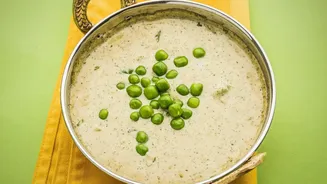



Every winter in Uttar Pradesh, kitchens turn fragrant with Nimona, a vibrant green pea curry. But what gives this humble dish its signature thick, hearty texture? The secret lies not just in the peas, but in how they are prepared.
A Beloved Winter Delicacy
Matar ka Nimona is a seasonal
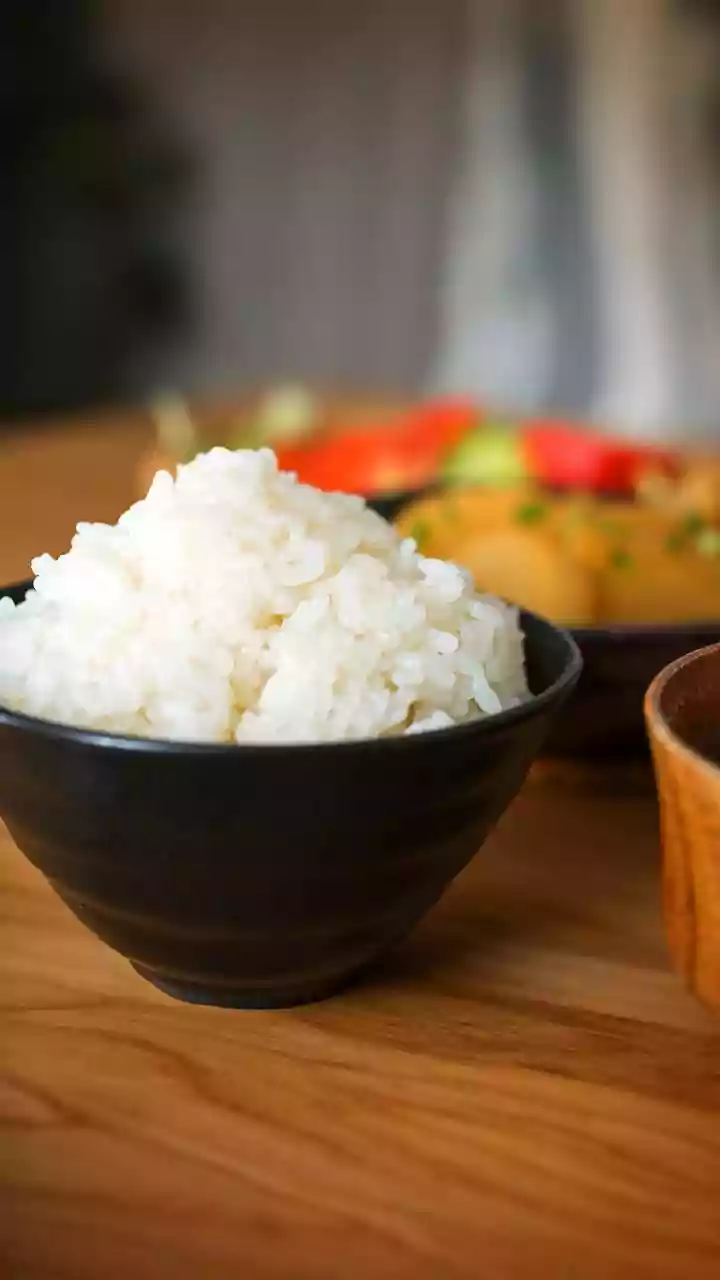
treasure in North Indian cuisine, particularly cherished in Uttar Pradesh and Bihar during the winter months. This is when the markets are flooded with fresh, sweet green peas (matar), which are the undisputed star of the dish. Unlike a typical 'aloo matar' curry where peas remain whole, Nimona transforms them into a thick, soupy, dal-like gravy. Traditionally enjoyed with hot rice and a dollop of ghee, it's the ultimate comfort food, warming both body and soul during the colder days.
The All-Important Coarse Grind
The defining characteristic of Nimona is its texture, which is achieved by grinding the fresh peas. However, the key is to grind them coarsely, never into a smooth, uniform paste. This is a very deliberate culinary choice. Traditional preparation often involves just pulsing the peas a few times in a mixer or using a stone grinder to simply break them down. Many recipes even call for keeping a handful of whole peas aside to add to the curry later, enhancing the textural contrast. This chunky, irregular paste is the foundation of Nimona's unique consistency.
The Science of Starch and Texture
So, why coarse and not fine? It comes down to starch. Green peas contain starches that act as natural thickening agents when cooked. When you grind the peas coarsely, you create a mix of smaller particles and larger, broken pieces. The smaller particles break down more easily, releasing their starch to thicken the gravy. Meanwhile, the larger bits hold their shape longer, providing a grainy, slightly chunky mouthfeel that is essential to the dish. A fine, smooth paste would release too much starch too quickly, resulting in a homogenous, sometimes gluey consistency, and would lose the rustic texture that Nimona is celebrated for. The coarse grind ensures a slow, controlled release of starch, creating a thick but not pasty curry.
Building Flavour with 'Bhunai'
The texture is only half the story; the coarse grind is also crucial for developing flavour. A critical step in making Nimona is the 'bhunai' process, where the ground pea paste is slow-roasted in oil or ghee. This step is vital to cook off the raw taste of the peas. The irregular surface area of the coarsely ground mixture allows it to toast evenly, developing a deep, nutty, and slightly smoky flavour that wouldn't be possible with a wet, smooth puree. This slow roasting, combined with spices, onions, and tomatoes, builds layers of complex, earthy flavour that perfectly complement the natural sweetness of the winter peas.