





An Expanded Bloc with a New Vision
The BRICS of 2026 is not the same group formed over a decade ago. Now including Egypt, Ethiopia, Iran, and the UAE, with Indonesia and Saudi Arabia joining, the bloc represents a significant portion of the world's population and economy. India's theme
for its chairmanship is 'Building for Resilience, Innovation, Cooperation, and Sustainability'. This isn't just rhetoric; it signals a shift towards practical, people-centric cooperation. In a world marked by geopolitical fragmentation and economic uncertainty, New Delhi aims to use its leadership to steer the bloc towards addressing the fundamental needs of its nearly 3.5 billion citizens. The goal is to evolve the group from a forum for discussion into a vehicle for tangible development.
Securing the Global Food Basket
Food security is a pressing concern for the entire Global South. The BRICS nations, which already account for a massive share of global agricultural production, are looking to deepen their cooperation. Discussions are expected to build on recent initiatives like the Indore Declaration, which established a framework for collaboration on sustainable agriculture and food security. For India, this is a strategic priority. With its massive population and agricultural prowess, India is pushing for joint research in climate-resilient crops, the creation of shared digital agriculture platforms, and better supply chain logistics. Ideas like a common BRICS grain exchange have been floated, aiming to stabilise food supplies and reduce dependency on external markets and pricing mechanisms. The focus is on creating a resilient food system that can withstand global shocks.
A Prescription for Health Resilience
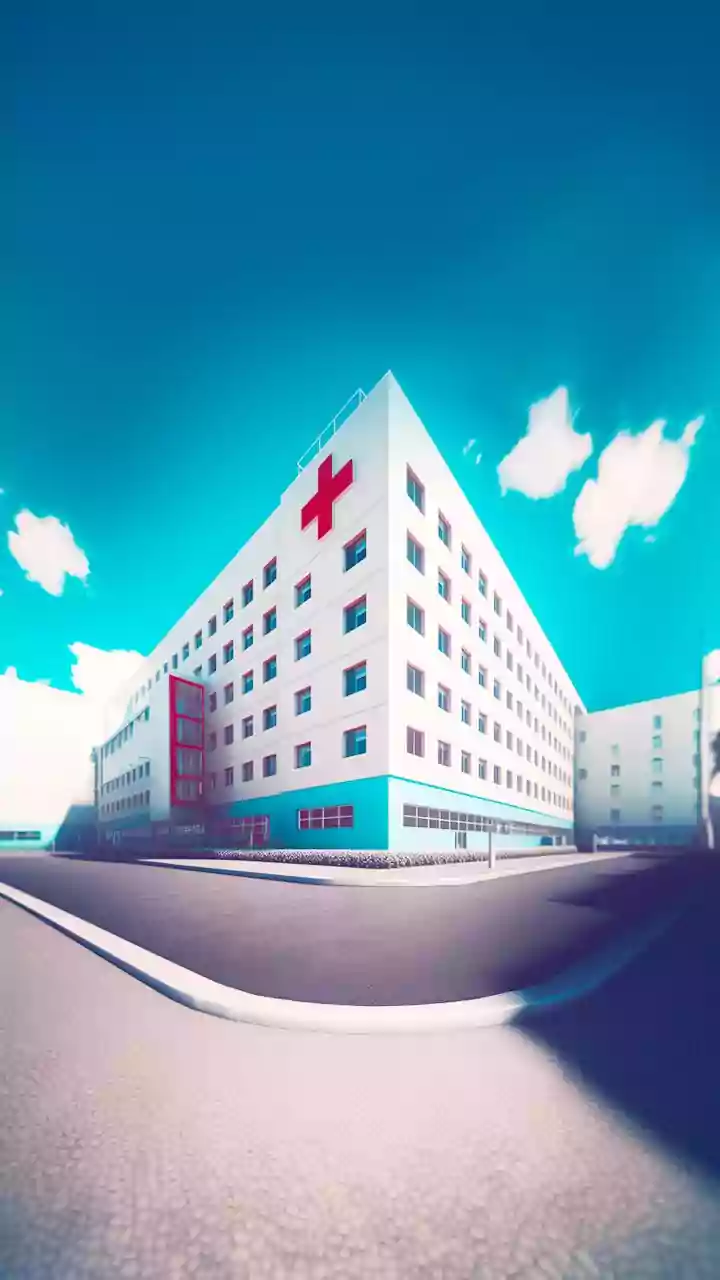
The COVID-19 pandemic exposed the vulnerabilities in global health systems. Under India's chairship, health has become a key pillar, with a focus on preventing a repeat of that crisis. Preparatory meetings have centred on strengthening pandemic preparedness, ensuring equitable access to vaccines and medicines, and joint research. India has also introduced new priorities, including a mission for promoting healthy lifestyles and another for mental health and wellness. There is a significant push to integrate evidence-based traditional medicine—a long-standing Indian priority—into mainstream public health frameworks. The establishment of networks for public health institutes and a BRICS Vaccine Research and Development Centre are concrete steps towards building a collective health defence system.
Building the Arteries of a New Economy
Infrastructure is the backbone of development, and it remains a core focus for BRICS. The New Development Bank (NDB), the bloc's flagship financial institution, was established specifically to mobilise resources for infrastructure and sustainable development projects in member countries. Unlike other multilateral banks, the NDB's primary mandate is to serve emerging economies, financing everything from clean energy and transport to water management and digital infrastructure. Under India’s leadership, there is a push to leverage the NDB to fund sustainable and resilient projects that align with climate goals. This includes not just large-scale physical projects but also critical digital public infrastructure, an area where India has demonstrated global leadership and is keen to share its expertise.
India's Role: A Bridge in a Divided World
For India, chairing BRICS in 2026 is a complex balancing act. New Delhi is an active member of the Quad, enjoys strong ties with the US and Europe, and simultaneously maintains a historical relationship with Russia. This unique position allows India to act as a bridge, advocating for the interests of the Global South without forcing a direct confrontation with the West. By focusing on universal issues like food, health, and development, India is steering BRICS towards a practical agenda that can deliver real benefits. It’s a strategy that aims to increase the bloc's influence by proving its effectiveness, turning shared challenges into opportunities for collective growth and demonstrating that cooperation is possible even in a fractured world.