







The Core Finding: It’s All About Affordability
The latest ‘State of Food Security and Nutrition in the World’ (SOFI) report, released in July 2026, moves the conversation beyond just hunger. While global hunger has seen a slight decline, the report highlights a more insidious problem: the unaffordability
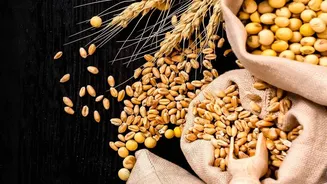
of a healthy diet. The central argument is that poverty and high food prices create a trap. When incomes are low, people are forced to prioritize cheaper, calorie-dense foods (like staple grains) over more expensive, nutrient-rich options such as fruits, vegetables, and animal proteins. This isn't a matter of poor choices, but a rational economic decision driven by financial constraints. According to the report, a staggering 2.7 billion people worldwide cannot afford a healthy diet, a clear indicator that for a third of the global population, nutritional well-being is simply out of financial reach.
What Makes a Healthy Diet So Expensive?
The FAO report breaks down the costs, revealing that nutrient-dense foods are the primary drivers of the high price tag. Items like animal-source foods, fruits, and vegetables account for the majority of the cost of a truly healthy diet. In contrast, starchy staples are relatively cheap, creating an economic incentive to build meals around them. This disparity has widened due to several factors, including inefficient supply chains, lack of investment in infrastructure like cold storage, and agricultural policies that have historically subsidized staple crops over more diverse, nutritious produce. The report estimates the global average cost of a healthy diet at over four dollars per person per day, a figure that significantly exceeds the international poverty line, making it an impossible target for the world's poorest households.
The Indian Context: A Magnified Challenge
For India, these global findings are particularly resonant. While the country has made significant strides in food production, moving beyond a focus on cereal self-sufficiency to nutritional security remains a major hurdle. Previous FAO data highlighted that a vast majority of the Indian population struggles to afford a healthy diet. An FAO chief economist recently noted that while methodology has been refined, a substantial portion of Indians, estimated at over 40%, still find a healthy diet unaffordable. This economic barrier contributes directly to persistent public health issues. India continues to battle high rates of stunting in children, wasting, and anaemia in women—all consequences of poor-quality diets that lack essential micronutrients. The FAO's findings underscore that these are not just health issues, but economic ones rooted in the high cost of nutritious food relative to income.
The Vicious Cycle of Poor Nutrition
The inability to afford a healthy diet creates a devastating cycle that affects both individuals and nations. Poor nutrition in childhood can lead to stunting and impaired cognitive development, limiting a child's future potential. For adults, it reduces productivity and increases susceptibility to illness, leading to higher healthcare costs and lost income. This creates a feedback loop where poverty causes malnutrition, and malnutrition, by diminishing human capital, perpetuates poverty. The report makes it clear that addressing this requires looking at the entire food system, not just hunger. A population subsisting on cheap calories may not be officially 'hungry', but it can be suffering from widespread micronutrient deficiencies and rising rates of diet-related diseases like obesity and diabetes.
What Can Be Done? A Path Forward
The FAO doesn't just diagnose the problem; it outlines a path toward solutions. The report calls for a fundamental shift in policy, urging governments to move beyond simply subsidizing staple grains. Key recommendations include investing in infrastructure to reduce the cost of transporting and storing perishable goods like fruits and vegetables, which can lower their price for consumers. Other proposals involve repurposing agricultural subsidies to encourage the production of more diverse, nutrient-rich foods and strengthening social protection programs that give low-income families the purchasing power to afford a healthy diet. The core message is that making healthy food more affordable requires a coordinated effort across agriculture, infrastructure, and social policy, transforming food systems to prioritize nutrition, not just calories.