

The Art of Impossible Stacks
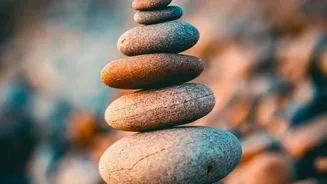
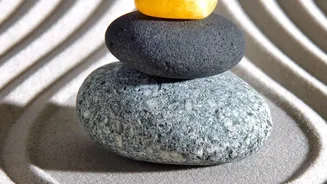
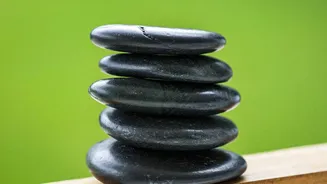
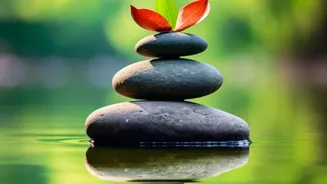
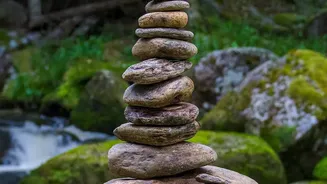
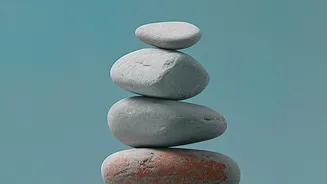
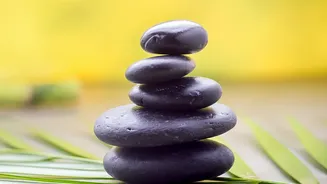
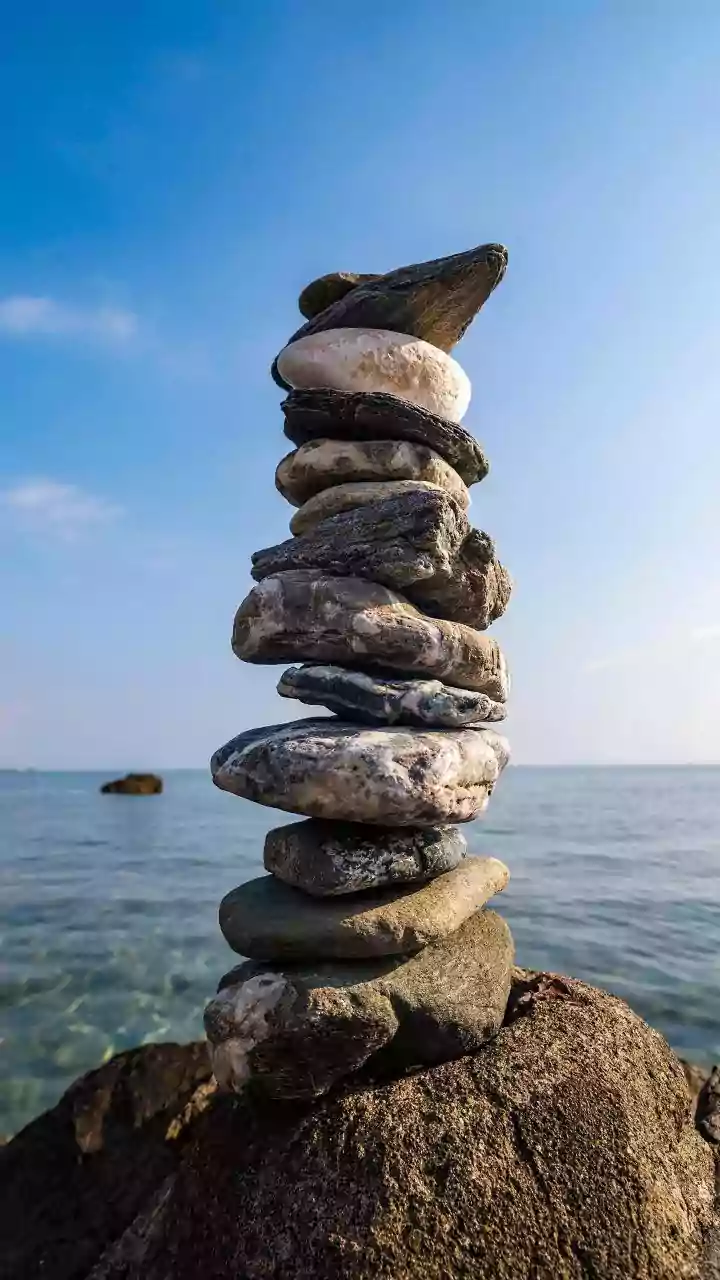
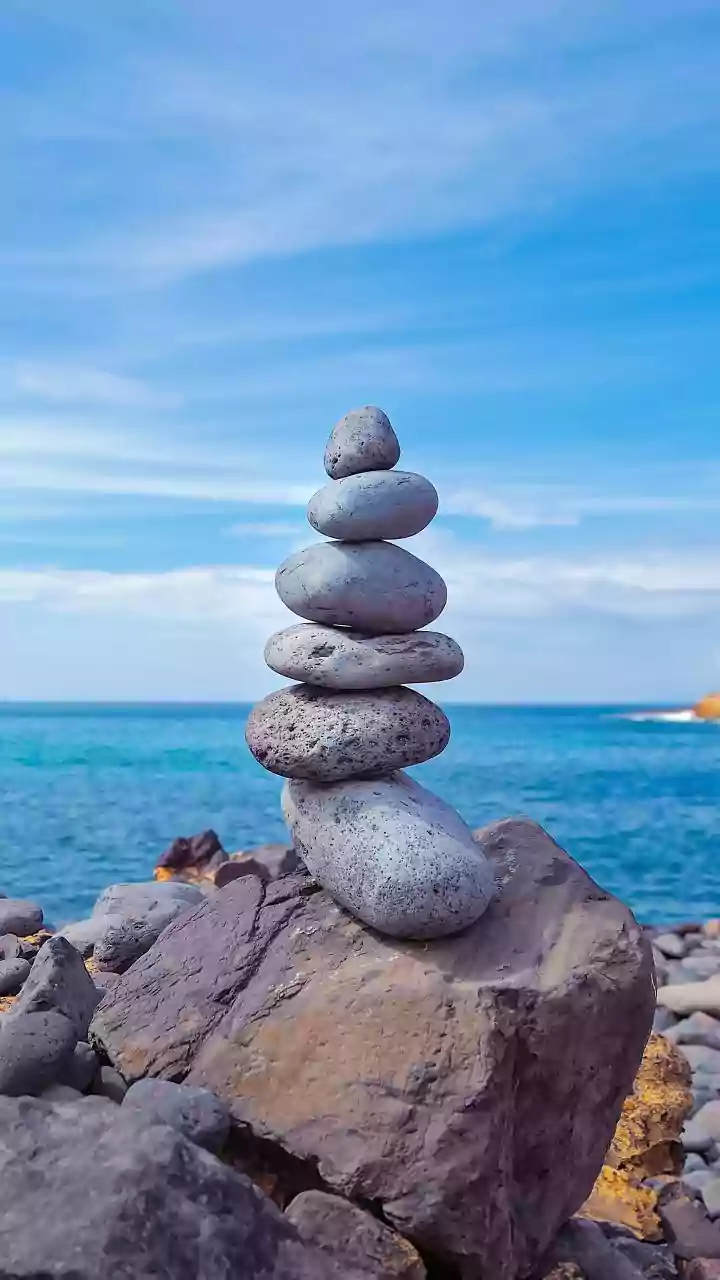
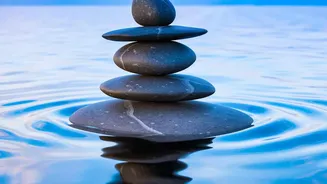
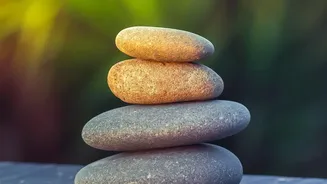
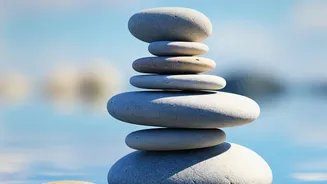
Stone balancing, also known as rock stacking, is an ancient practice that has become a modern form of meditative art. Practitioners create seemingly impossible sculptures by placing rocks on top of one another without any adhesives or supports—just gravity.
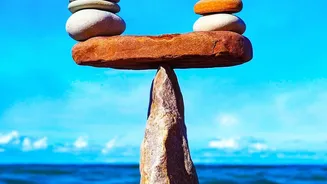
The goal is to find the perfect point of equilibrium, often on a contact point that is incredibly small. These transient structures can be a spectacle, a devotion, or a simple, playful interaction with nature. While some artists create elaborate arches and complex counterbalances, the fundamental act remains the same: a quiet, focused search for a state of perfect balance. It’s this dedication to finding a delicate alignment that captures our imagination and gives the practice its serene quality.
More Than Just Fingers
So, what exactly is fine motor control? It’s the ability to make precise, coordinated movements using the small muscles in our hands, wrists, and fingers. We rely on these skills for countless daily tasks, from writing with a pencil and buttoning a shirt to typing on a keyboard. These actions are so ingrained that we rarely think about the complex neurological process behind them. The brain sends signals through the nervous system to activate specific muscle fibers. For fine motor tasks, a single neuron might control only a handful of muscle fibers, allowing for incredibly refined adjustments. This is different from gross motor skills, like running, where one neuron activates hundreds of fibers for powerful, less precise movements. Developing these skills is crucial for independence and learning.
A Neurological Dance
Stone balancing is where this neurological process becomes a conscious, deliberate practice. To balance a stone, especially one with an irregular shape, you must make thousands of micro-adjustments. Your fingers feel for tiny indentations on the rock's surface that can serve as a natural tripod. As artist Michael Grab explains, you have to pay close attention to the vibrations, feeling for the small "clicks" as the notches of the rocks move over one another. This requires intense hand-eye coordination and constant feedback between your brain, nerves, and muscles. You are essentially training your brain to become more attuned to these minute physical signals. This focused effort strengthens the neural pathways responsible for precision and control, turning a creative pursuit into a powerful exercise for the nervous system.
A Workout for a Quiet Mind
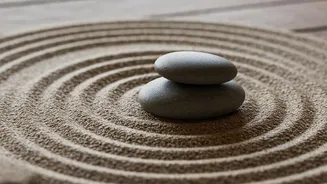
The intense concentration required for stone balancing offers benefits far beyond physical coordination. Practitioners often describe the experience as a form of active meditation. The need to focus entirely on the physical sensations and the delicate point of balance quiets the constant chatter of the mind. This state of being completely absorbed in the present moment is often called a "flow state." It reduces stress and promotes a sense of calm and mental clarity. The practice teaches patience, resilience, and the art of letting go, as a slight breeze or a moment's distraction can cause a carefully constructed tower to fall. In this way, the activity is as much a mental discipline as it is a physical one, training the mind to remain steady and focused.
Beyond the Stack
The skills cultivated through stone balancing don't disappear when the rocks tumble. The improved fine motor control, dexterity, and hand-eye coordination are transferable to many other aspects of life. Activities ranging from playing a musical instrument to simply having neater handwriting can see improvement. Furthermore, the patience and focus honed while finding a stone's center of gravity can enhance your ability to concentrate on complex tasks at work or in your studies. By engaging in this whole-body learning process, where gross motor stability supports fine motor action, you develop a more integrated sense of physical awareness. What begins as a simple way to engage with nature becomes a holistic practice for improving both physical dexterity and mental fortitude.