





A New Vision for Adventure
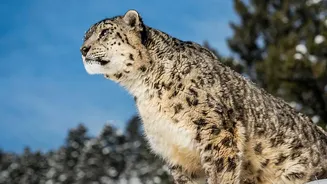
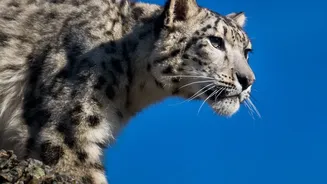
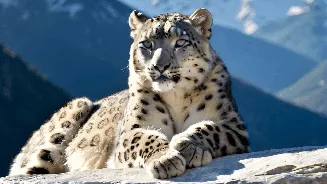
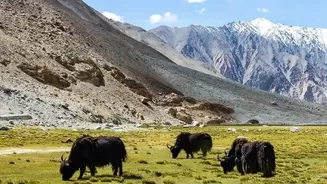
The Ladakh administration, led by Lieutenant Governor Vinai Kumar Saxena, has given the green light to a pioneering eco-tourism initiative. The proposal involves creating India's first-ever high-altitude wildlife safari, moving beyond conventional sightseeing
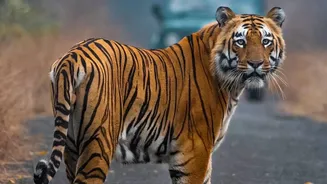
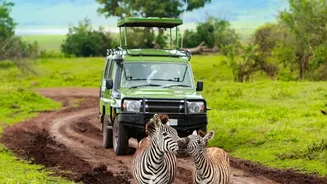
to offer a more immersive and regulated experience. The decision was taken during the first meeting of the newly formed Snow Leopard and High-Altitude Nature (SHAN) Conservation Society. The core idea is to introduce guided jeep safaris, similar to those in famous national parks like Ranthambore and Kaziranga, using specially designed vehicles operated by trained local guides. This structured approach aims to showcase the region's incredible biodiversity while curbing the environmental damage caused by illegal off-roading, a growing concern in the fragile ecosystem.
The World of High-Altitude Birding
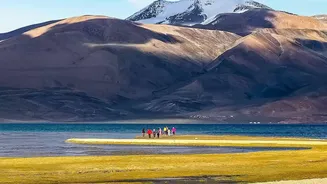
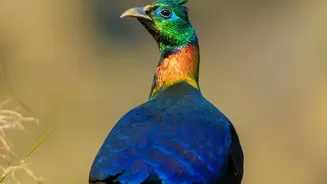
For birding enthusiasts, Ladakh is a paradise. The region is home to over 340 bird species, many of which are adapted to the harsh, high-altitude environment. The new safari places a special emphasis on these feathered residents. The plan includes training 20 local youths in bird identification and spotting skills, equipping them with binoculars and other necessary gear to guide tourists. Key species that draw birdwatchers to Ladakh include the majestic Black-necked Crane, which has its only breeding ground in India within Eastern Ladakh, the powerful Golden Eagle, and the elusive Himalayan Snowcock. The wetlands and marshes around areas like Tso Kar, Tsomoriri, and the Indus River belt are critical habitats that will likely be part of these birding trails. The initiative also proposes setting up ten dedicated birdwatching hides at major hotspots to allow for observation without disturbing the wildlife.
Beyond Feathers and Fur
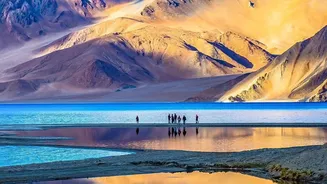
While snow leopards and birds are the headline attractions, the safari proposal is part of a broader strategy to diversify Ladakh's tourism offerings. The high-altitude streams and lakes of Ladakh have also long been a quiet destination for angling, particularly for brown and rainbow trout. Though not explicitly detailed as part of the same safari package, promoting niche activities like angling fits the overall goal of creating sustainable, low-impact tourism. Activities like fly fishing in the Suru River are already offered by local adventure companies on a catch-and-release basis to conserve fish populations. By formalizing and promoting such experiences, the administration can attract a different type of traveller—one who is patient, respects the environment, and is willing to venture off the beaten path.
Charting a Sustainable Path
This new safari is not just about tourism; it's a strategic move towards conservation and community empowerment. A primary objective is to protect Ladakh's delicate ecosystems by offering a responsible alternative to unregulated tourism. By creating formal safari routes in areas like Hemis National Park, Changthang and Karakoram Wildlife Sanctuaries, and the wildlife-rich regions of Nubra and Zanskar, authorities can manage visitor flow and protect sensitive habitats. Furthermore, the initiative is designed to be community-led. Training and employing local youth as guides and drivers ensures that economic benefits flow directly to the communities that coexist with this wildlife. This model aims to make locals partners in conservation, giving them a stake in protecting the natural heritage that makes their home so unique. The ultimate vision is to establish Ladakh as a global example of responsible high-altitude mountain tourism.