

The Ubiquitous Rava Upma
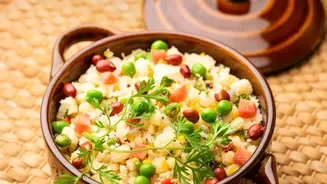
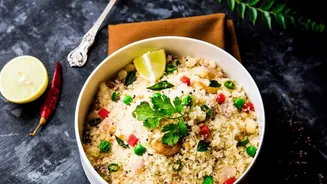
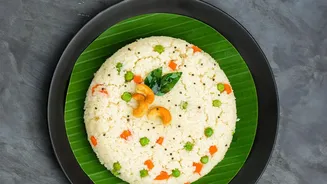
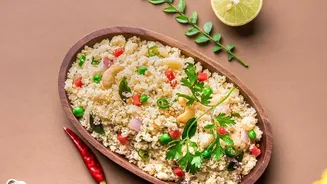
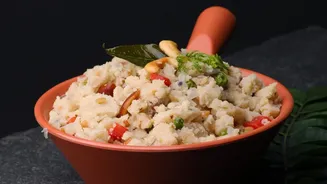
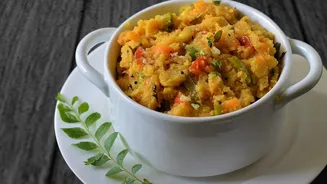
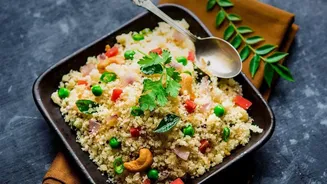
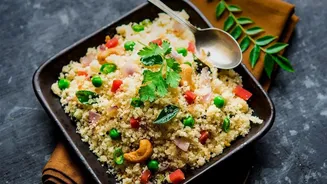
This is the version most people picture when they think of upma. Made from roasted semolina (rava or sooji), it’s the quintessential quick breakfast. The preparation is straightforward: mustard seeds, urad dal, and curry leaves are tempered in oil, followed
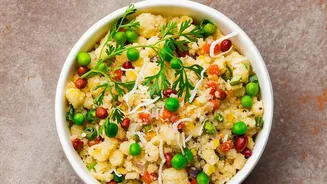
by onions and green chillies. Roasted rava is then stirred in with hot water and cooked to a thick, porridge-like consistency. Often studded with vegetables like carrots, peas, and beans, this upma is a balanced and satisfying meal in itself. Its beauty lies in its simplicity and the soft, fluffy texture that has made it a beloved staple across the country, often served with a side of coconut chutney or a sprinkle of sugar for the kids.
Karnataka’s Khara Bath
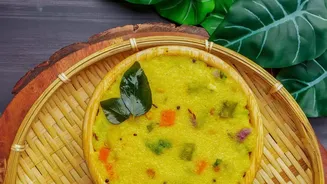
Head to Karnataka, and you’ll find that upma is often called Khara Bath. While it shares its base of roasted rava with the classic version, Khara Bath is distinctly more aromatic and spicier. The key difference lies in the use of a special spice blend, often a home-ground masala powder, which gives it a unique flavour profile and a beautiful yellowish hue from turmeric. Loaded with vegetables and sometimes tangy tomatoes, it's a more robust and flavour-packed dish. It’s a breakfast staple in 'Darshinis' (small eateries) across the state, often served alongside a sweet counterpart called Kesari Bath, a combination famously known as 'Chow Chow Bath'.
The Noodle-like Semiya Upma
A favourite among those who prefer a non-porridge texture, Semiya Upma is made with wheat vermicelli. The preparation is similar to rava upma, starting with a classic tempering of spices and sautéed onions. The roasted vermicelli is then cooked until the strands are tender but distinct, much like a savoury noodle dish. This variation offers a delightful change in texture, with each strand holding its own. It’s light, less dense than its rava counterpart, and a fantastic way to introduce variety to the breakfast table without straying too far from the familiar taste of upma. It's especially popular in Tamil Nadu and is a common tiffin box meal.
The Versatile Bread Upma
Bread Upma is the ultimate solution for using up day-old bread. Cubes of bread are tossed in a flavourful mixture of sautéed onions, tomatoes, and spices, creating a dish that is both soft and slightly crispy. There are two main approaches: one where the bread is added directly to the pan to soak up the masala, and another where it might be briefly soaked in water or buttermilk for a softer, almost pudding-like result. Tangy, spicy, and incredibly quick to make, this upma is a testament to Indian culinary ingenuity, transforming leftovers into a delicious and satisfying meal in minutes.
The Light and Fluffy Aval Upma
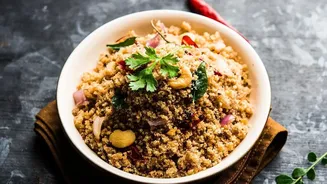
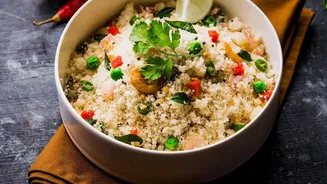
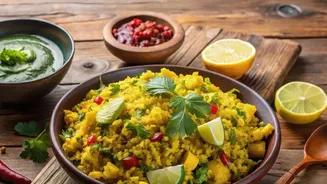
Also known as Poha in other parts of India, Aval Upma uses flattened rice flakes as its base. These flakes are incredibly light and require minimal cooking. They are typically rinsed and soaked for just a few minutes until they soften, then tossed into a pan with the standard tempering of mustard seeds, lentils, peanuts, and onions. The result is a fluffy, non-sticky dish that is very easy to digest. Regional variations abound; some add grated coconut, others a squeeze of lemon juice for tanginess. It's a quick, healthy, and gluten-free option that is popular across western and southern India.
The Fasting Favourite: Sabudana Upma
Sabudana Upma, also known as Sabudana Khichdi, is made from tapioca pearls (sago). It holds a special place as it's widely consumed during religious fasting periods. Preparing it requires a bit of skill, as the sabudana must be soaked for several hours to achieve the perfect non-sticky, pearl-like texture. The soaked pearls are then cooked with tempered cumin seeds, green chillies, boiled potatoes, and a generous amount of roasted and crushed peanuts. The peanuts provide a wonderful crunch and nutty flavour that contrasts beautifully with the soft, chewy texture of the tapioca pearls.