



Decoding PUFFINS
The mission's name, PUFFINS, is an acronym for 'Polarimetry in the Ultraviolet to Find Features in INterStellar dust'. Selected under NASA’s Astrophysics Pioneers programme, it is a relatively small and specialized mission with a significant goal: to study
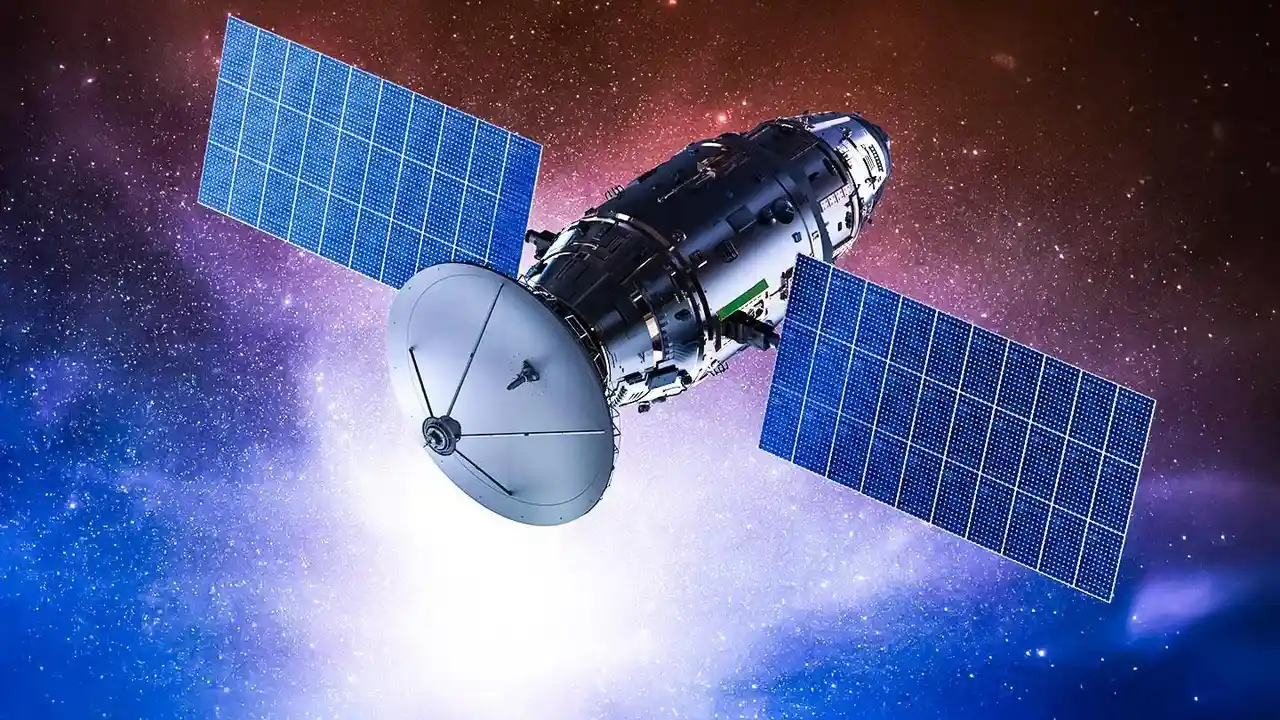
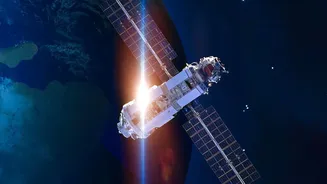
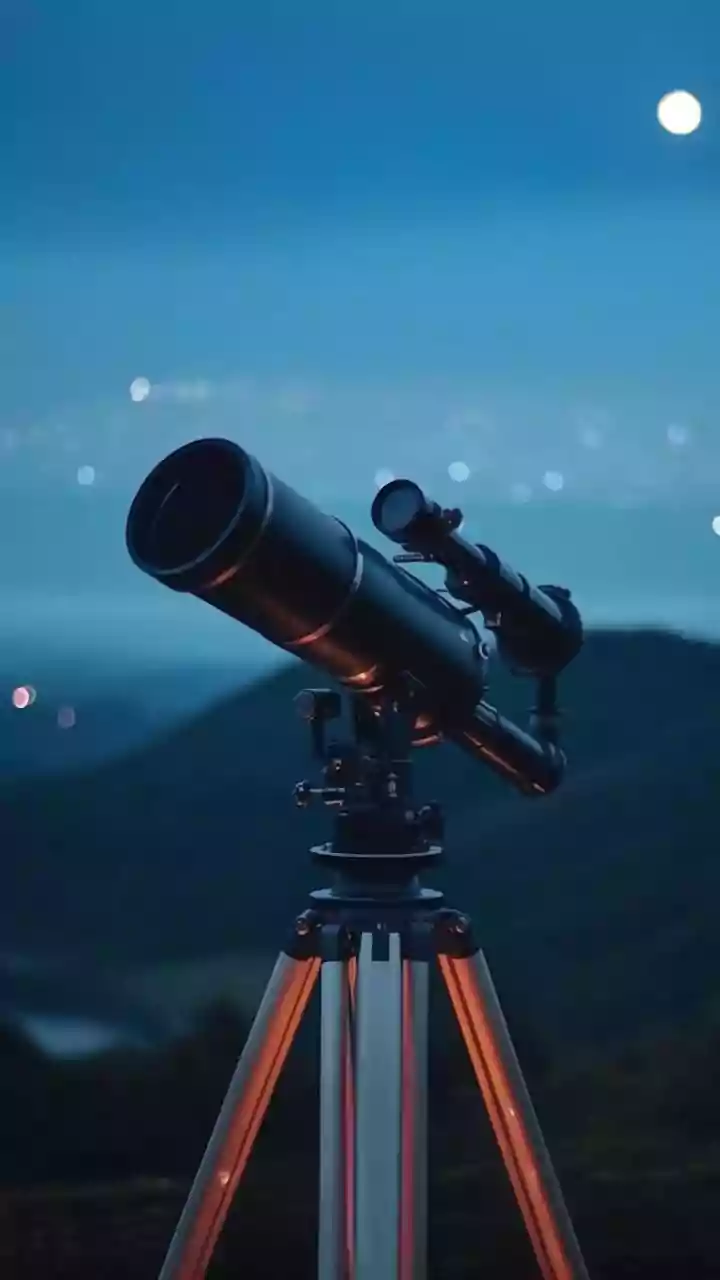
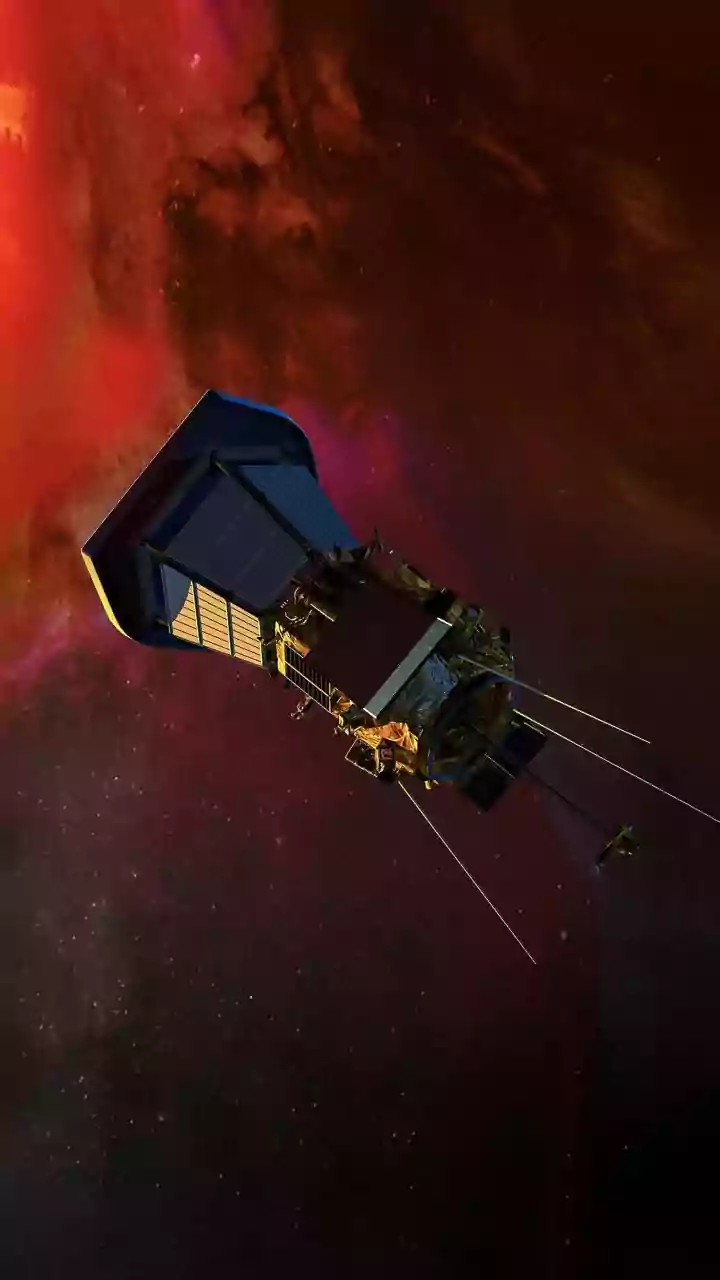
the very smallest grains of dust drifting in the vast spaces between stars. At its heart is a small satellite, or 'SmallSat', carrying a 10-inch telescope. This instrument is not designed for taking conventional pictures but for performing a highly specific task: analyzing the polarization of ultraviolet (UV) light that has traveled from distant stars and passed through this dust.
The Science of Stardust
The interstellar dust PUFFINS will study consists of particles smaller than 50 nanometres, roughly the size of a common virus. These grains are too small to be observed effectively with typical optical or infrared telescopes. Yet, they play a crucial role in the galaxy. They are the raw materials that eventually clump together to form new stars and planets. Understanding their composition and behaviour is essential to piecing together the complete story of planetary formation, and potentially, the origins of life. As starlight travels through clouds of these dust grains, its properties change in subtle ways. PUFFINS will measure these changes to learn about the dust's composition and how the particles align with the Milky Way's magnetic field.
A New Look with an Old Technique
The technique PUFFINS will use, called ultraviolet spectropolarimetry, has not been deployed in space for this purpose in nearly three decades. Previous missions in the early 1990s only managed to study about 30 stars using this method. PUFFINS aims to triple that number, observing at least 70 stars in various environments, from nearby stellar nurseries to our galactic neighbours, the Magellanic Clouds. This will provide a much more detailed map of how interstellar dust varies across the sky, filling a long-standing gap in our astronomical knowledge. The mission is a collaborative effort led by the University of Arizona in partnership with institutions like the McDonald Observatory.
The Road to Launch
While the headline notes a 2029 launch, recent updates from the mission team and associated institutions point toward a launch target of 2030. The $20 million mission is currently in its design phase. Led by Principal Investigator Dr. Ramya Anche of the University of Arizona, the project is a significant one for early-career scientists and serves as an important training ground for the next generation of engineers and astronomers. Over the next few years, the team will finalize the design, build the satellite and its instruments, and prepare for its journey into low-Earth orbit.
Why This Cosmic Dust Matters
The insights from PUFFINS will have a ripple effect across astrophysics. A better understanding of interstellar dust can help refine our models of star and planet formation. It will also aid future, more ambitious projects like NASA's planned Habitable Worlds Observatory (HWO), a major space telescope set for the 2040s. Data on how dust affects starlight will be critical for the HWO's goal of studying planets outside our solar system and searching for signs of habitability. By studying these tiny, almost invisible particles, PUFFINS will help answer some of the biggest questions about how our universe works.