


The Everyday Superfood in Your Pantry
Masoor dal is the Indian name for red and pink lentils. It is a staple pulse, prized for its flavour and nutritional value. You'll find it in two main forms: sabut masoor, which is the whole, dark brown lentil with its skin intact, and the more common
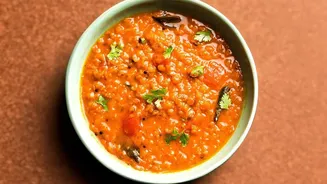
split masoor dal, which is skinless and salmon-orange in colour. It's this split version that is famous for its speed. Unlike many other dals that require lengthy soaking, split masoor dal can be cooked in minutes, making it an incredibly convenient option for weeknight meals. Its mild, earthy flavour allows it to absorb the taste of spices beautifully, making it a versatile base for countless dishes.
A Powerhouse of Plant-Based Protein
For vegetarians and anyone looking to increase their protein intake, masoor dal is an excellent choice. Uncooked, it contains between 24 to 26 grams of protein per 100 grams. When cooked, as it absorbs water, this comes to about 9 grams of protein per 100-gram serving. This protein is vital for muscle repair, building tissues, and keeping you feeling full and satisfied after a meal. While it's not a complete protein on its own, pairing masoor dal with rice or roti creates a complete amino acid profile, providing all the essential building blocks your body needs, similar to animal protein but at a fraction of the cost.
More Than Just Protein
Beyond its impressive protein content, masoor dal offers a wealth of other nutrients. It's packed with dietary fibre, which aids digestion, helps prevent constipation, and promotes a healthy gut. A 100-gram serving of cooked dal provides a significant amount of your daily iron needs, which is crucial for preventing anaemia and maintaining energy levels. It is also a good source of folate, potassium, and magnesium, which support heart health by helping to manage blood pressure and reduce bad cholesterol. Furthermore, with a low glycemic index (GI) of around 25-35, masoor dal helps manage blood sugar levels by slowing down glucose absorption, making it a fantastic food for people with diabetes.
Ready in Minutes, Not Hours
One of the biggest advantages of split masoor dal is its quick-cooking nature. Because the lentils are small and have had their husks removed, they don't require any prior soaking. On a stovetop, a simple masoor dal can be cooked until soft in about 20 to 30 minutes. If you're short on time, a pressure cooker or Instant Pot can get the job done even faster, typically in 5 to 10 minutes under pressure. This convenience makes it a reliable go-to for a nutritious meal without the long prep time associated with other legumes like chickpeas or kidney beans.
Simple Ways to Enjoy Masoor Dal
While the classic dal tadka is the most popular way to enjoy masoor dal, its versatility extends far beyond a simple lentil soup. You can blend cooked dal into a creamy, protein-rich soup seasoned with herbs. The cooked lentils can also act as a binder for vegetarian kebabs or patties, adding both substance and nutrition. For a hearty one-pot meal, cook it with rice and vegetables to make a nourishing khichdi. Some even use masoor dal flour as a gluten-free, protein-boosting alternative in baking. Its mild flavour profile means it can be seasoned in countless ways, from a simple North Indian tadka of ghee and cumin to a South Indian-style sambar.