


Finding the Perfect Sunny Spot
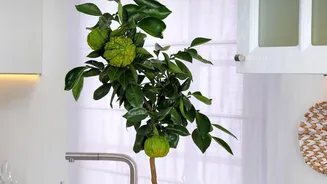
Lemon trees are sun-worshippers. To thrive and produce fruit, they require at least six to eight hours of direct, bright sunlight every day. If you're growing your plant indoors, a south-facing window is the ideal location to ensure it gets enough light.
For outdoor potted plants, find a spot that gets plenty of morning sun. In very hot climates, a little shade during the harshest part of the afternoon can help prevent the leaves from scorching. Without adequate light, your lemon tree might survive, but it is unlikely to produce flowers or fruit.
The Art of Watering
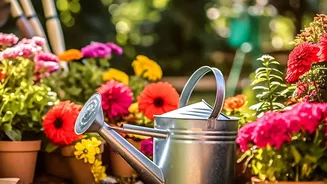
Overwatering is a common mistake that can lead to root rot, so it's crucial to get the balance right. The best strategy is to water deeply but infrequently. A good rule of thumb is to check the soil; if the top 2-3 inches feel dry to the touch, it's time to water. When you do water, do so thoroughly until you see water draining from the bottom of the pot. This ensures the entire root ball is hydrated. Allow the pot to drain completely and never let it sit in a saucer full of water. Depending on heat, humidity, and pot size, this could mean watering every few days in the summer or as little as once a week in cooler weather.
The Right Foundation: Soil and Potting
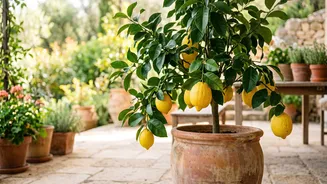
Lemon trees need soil that drains exceptionally well. Standard garden soil is too dense and will retain too much water, suffocating the roots. Look for a potting mix specifically designed for citrus or cactus plants. Alternatively, you can create your own by mixing potting soil with perlite and sand or bark to improve aeration and drainage. The pot itself must have ample drainage holes. While a clay or terracotta pot can help the soil dry out faster, any material is fine as long as the drainage is sufficient.
Feeding Your Lemon Plant
Container-grown citrus plants are heavy feeders and require regular fertilization to produce lush foliage and fruit. Nutrients get washed out of the pot with every watering, so they need to be replenished. Use a balanced fertilizer specifically formulated for citrus trees, which will be higher in nitrogen and contain essential micronutrients like iron, zinc, and manganese. A common ratio to look for is 2-1-1 or 3-1-1. Feed your plant every 3-4 weeks during the active growing season (spring and summer) and reduce or stop fertilizing in the autumn and winter when growth slows.
Pruning for Health and Harvest
Pruning helps maintain the tree's shape, improves air circulation, and encourages fruit production. The best time to prune is in late winter or early spring, after the risk of frost has passed but before the new growth starts. Your goal is to open up the center of the plant to light and air. Start by removing any dead, damaged, or crossing branches. You can also trim long, lanky branches to encourage a bushier, more compact shape. Avoid removing more than one-third of the plant's total mass at any one time, as this can stress the tree.
Watching for Common Pests
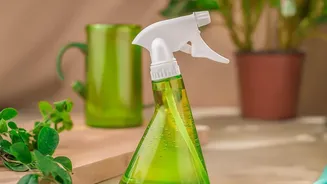
Potted lemon trees can attract common pests like aphids, scale insects, spider mites, and whiteflies. Regularly inspect the leaves, especially the undersides, and stems for any signs of an infestation. Often, these pests secrete a sticky substance called honeydew, which can lead to sooty mold. Many minor infestations can be handled by simply wiping the pests off with a damp cloth or spraying them with a strong jet of water. For more persistent issues, horticultural oils or insecticidal soaps can be effective and are a good first line of defense.