








What Exactly Is E85 Fuel?
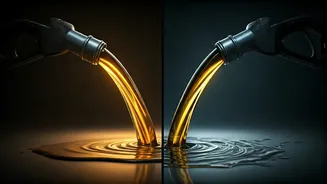
E85 is a fuel blend consisting of up to 85% ethanol and 15% petrol. It represents a significant step up from the E20 (20% ethanol) blend that is now standard across India. This push for higher ethanol content is central to the Indian government's strategy
to reduce dependency on imported crude oil, lower carbon emissions, and provide an additional income source for farmers who cultivate the crops used for ethanol production, such as sugarcane and maize. The government has an ambitious plan for its rollout, aiming to establish hundreds of E85-capable fuel stations by the end of 2026 and expanding to 5,000 by 2027.
The Real Cost Behind the Low Price
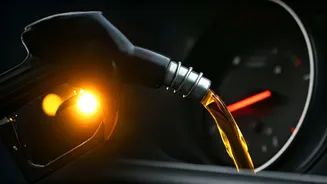
The main attraction of E85 is its price. In Delhi, for example, it launched at around ₹82 per litre, a full ₹20 less than the E20 petrol it was sold alongside. This lower price is largely due to government incentives and the domestic production of ethanol. However, the price at the pump is only half the story. The crucial factor that wary buyers are considering is fuel efficiency. Ethanol has a lower energy density than petrol, meaning a vehicle will burn more E85 fuel to travel the same distance. Real-world tests and industry estimates show a drop in mileage of anywhere from 20% to over 40% when using E85 compared to petrol. This means that despite the lower per-litre cost, the actual cost per kilometre can end up being higher than driving on regular petrol.
Can Your Car Even Handle It?
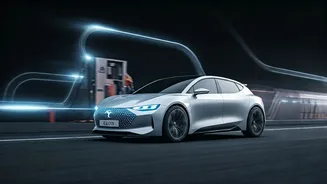
This is perhaps the most significant hurdle for potential E85 users: compatibility. You cannot use E85 in a standard petrol car. Doing so risks damaging fuel lines, seals, and engine components not designed to handle high concentrations of ethanol. Only specially designed Flex Fuel Vehicles (FFVs) can run on E85. These vehicles have engines and fuel systems with corrosion-resistant materials that can adapt to different ethanol blends. As of mid-2026, the availability of FFVs in the Indian market is extremely limited, with only a handful of models launched by manufacturers like Maruti Suzuki and Hero MotoCorp. Unsurprisingly, sales have been minimal, with reports showing just a handful of units sold, reflecting deep consumer hesitation to invest in a technology with a sparse support system.
The Search for a Pump
Even if you own one of the few FFVs available, finding E85 fuel is a challenge. The rollout has started with a small number of pumps in major cities like Delhi, Mumbai, and Pune. For the vast majority of the country, the fuel is simply not available. This lack of a widespread refueling network is a classic chicken-and-egg problem: buyers won't purchase FFVs if they can't fuel them, and oil companies are slow to build out infrastructure for a vehicle parc that barely exists. Until E85 stations become as common as regular petrol pumps, the convenience factor will heavily tilt in favour of standard vehicles, making potential buyers wary of being left stranded. The government's plan to have 500 stations by the end of 2026 and 5,000 by 2027 is ambitious, but for now, scarcity remains a key deterrent.