






The Vision: Artemis Base Camp
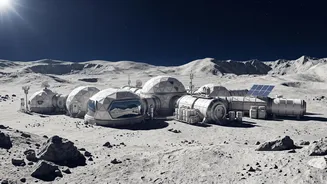
NASA's grand plan centers on establishing the 'Artemis Base Camp' at the Moon's South Pole. This strategic location is believed to hold deposits of water ice in permanently shadowed craters. Access to water is a game-changer, providing not just drinking
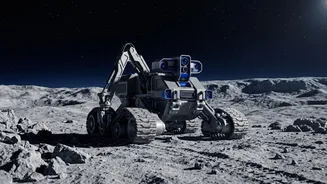
water and breathable oxygen for astronauts, but also the ingredients for rocket propellant. This would dramatically reduce the cost and complexity of deep space missions. The Base Camp is envisioned as a hub for science and exploration, comprising a surface habitat, a lunar terrain vehicle for transport, and a mobile platform for long-range trips. More than just a destination, it's designed to be a proving ground for the technologies and strategies needed for humanity's next giant leap: a crewed mission to Mars.
Phase 1 (Through 2029): Experiment and Prepare
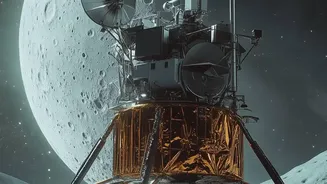
The first phase is all about laying the foundation through robotic missions and rigorous testing. This initial stage involves a flurry of activity, with numerous missions from both NASA and its commercial partners, like Blue Origin. These uncrewed landers and rovers will scout the terrain, test power systems, and demonstrate crucial technologies. Key objectives include deploying communications relays, testing navigation systems, and ensuring equipment can survive the extreme temperatures of the lunar night. This phase is designed to gather data and de-risk the process before astronauts make their long-term home there. It's a period of learning and preparation, culminating in the delivery of foundational cargo to begin shaping a functional base.
Phase 2 (2029–2032): Building an Early Habitation
Beginning around 2029, the focus will shift from preparation to construction. Phase 2 marks the start of early habitation, where semi-permanent infrastructure is assembled on the lunar surface. During this period, NASA and its partners will deliver heavier cargo, including the first habitat modules and upgraded rovers. Astronauts will begin short-duration stays, supported by improved solar and initial nuclear power stations. The goal is to establish an initial operating capability, a functioning outpost where crews can live and work for limited periods. This phase will see the delivery of up to 60 tons of cargo through numerous landings, providing the necessary mass to build a viable home away from Earth.
Phase 3 (2032 and Beyond): A Sustained Human Presence
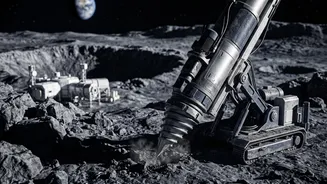
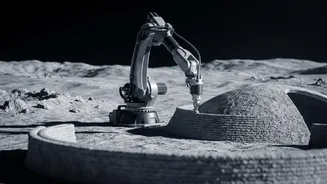
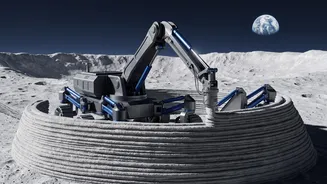
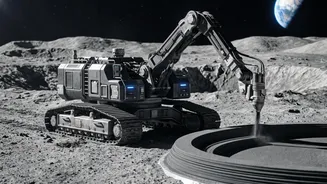
The final phase, starting in 2032, is when the vision of a permanent lunar settlement truly becomes a reality. Operations will scale up to support a continuously active base with routine crew rotations and long-duration missions. A key technology for this phase is In-Situ Resource Utilization (ISRU), which means living off the land. This involves extracting and processing lunar resources, like water ice and regolith (moon dust), to produce oxygen, water, and even building materials. Mastering ISRU is critical for making the base self-sufficient and sustainable, reducing its reliance on costly supply missions from Earth. This phase will transform the Artemis Base Camp into a true scientific outpost and a vital staging point for future missions into the solar system.