

Why Your Pet’s Dental Health Matters
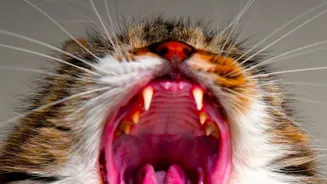
That familiar 'doggy breath' might seem normal, but persistent bad breath is often the first sign of dental problems. The root cause is typically plaque—a sticky film of bacteria that forms on teeth. If not removed, plaque hardens into tartar within just
24 to 48 hours. This buildup can lead to gingivitis (inflamed gums) and progress to periodontal disease, a painful condition that can cause gum recession, bone deterioration, and tooth loss. What's more, bacteria from an infected mouth can enter the bloodstream and potentially affect other organs, highlighting the link between oral hygiene and overall systemic health.
Choosing the Right Tools for the Job
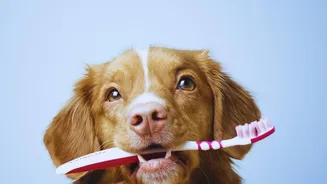
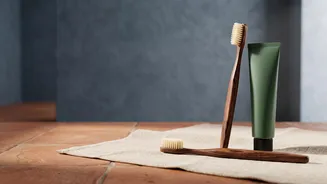
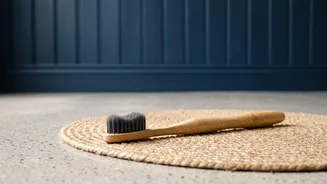
Before you begin, it’s essential to have the right supplies. First and foremost, never use human toothpaste on your pet. It often contains ingredients like fluoride and xylitol, which are toxic to dogs and cats if swallowed. Instead, purchase a toothpaste specifically formulated for pets. These are designed to be safely ingested and come in appealing flavors like poultry, beef, or seafood to make the experience more pleasant. For the brush, you have options. Soft-bristled toothbrushes designed for pets, a small child's toothbrush, or a finger brush that fits over your fingertip are all effective choices. Some owners even start with gauze wrapped around a finger.
Step 1: Making a Positive Introduction
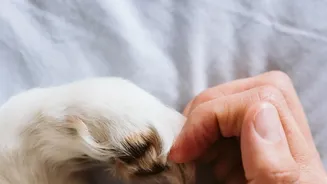
The key to success is patience and positive reinforcement. Many pets are initially wary of having their mouths handled. Start slowly in a quiet, calm environment. For the first week or two, simply let your pet lick a small amount of the pet-safe toothpaste off your finger. The goal is to create a positive association; they should see the toothpaste as a treat. Once they are comfortable with the taste, you can gently lift their lips and rub your finger along their gums and teeth for a few seconds. Follow every session with praise or a favourite treat to reinforce the good behaviour.
Step 2: The Brushing Technique
After your pet accepts you touching their mouth, introduce the brush. Let them lick the toothpaste off the brush for a few sessions without any actual brushing. When you're ready to start brushing, apply a pea-sized amount of toothpaste. Gently lift their lips and start with the large canine teeth, moving towards the back. Use small, circular motions, focusing on the outer surfaces of the teeth where plaque accumulates most. Don't worry about the inner surfaces initially, as the pet's tongue helps keep those cleaner. Keep the sessions short—aim for about 30 seconds on each side. The most important thing is to end on a positive note before your pet becomes agitated.
Making It a Lifelong Habit
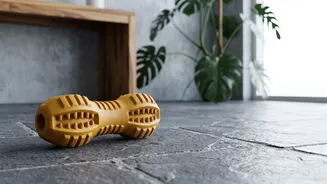
For brushing to be effective, consistency is crucial. Veterinarians recommend brushing your pet's teeth daily to remove plaque before it hardens. If daily brushing isn't feasible, aim for a minimum of three times per week. While other products like dental chews, water additives, and special diets can help, they are best used as a supplement to—not a replacement for—the mechanical action of brushing, which remains the gold standard for at-home dental care. Regular veterinary check-ups that include a dental exam are also essential to catch any problems early and determine if a professional cleaning under anesthesia is needed.