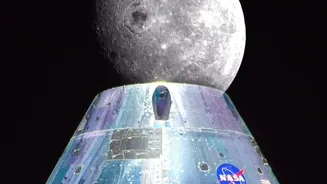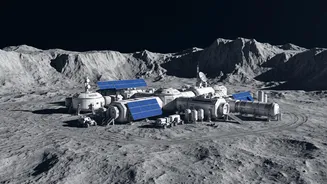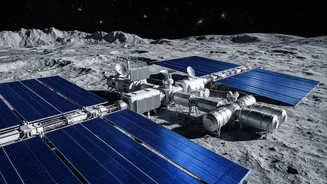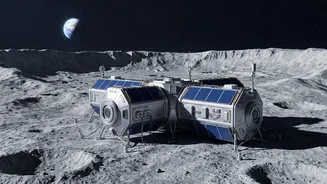

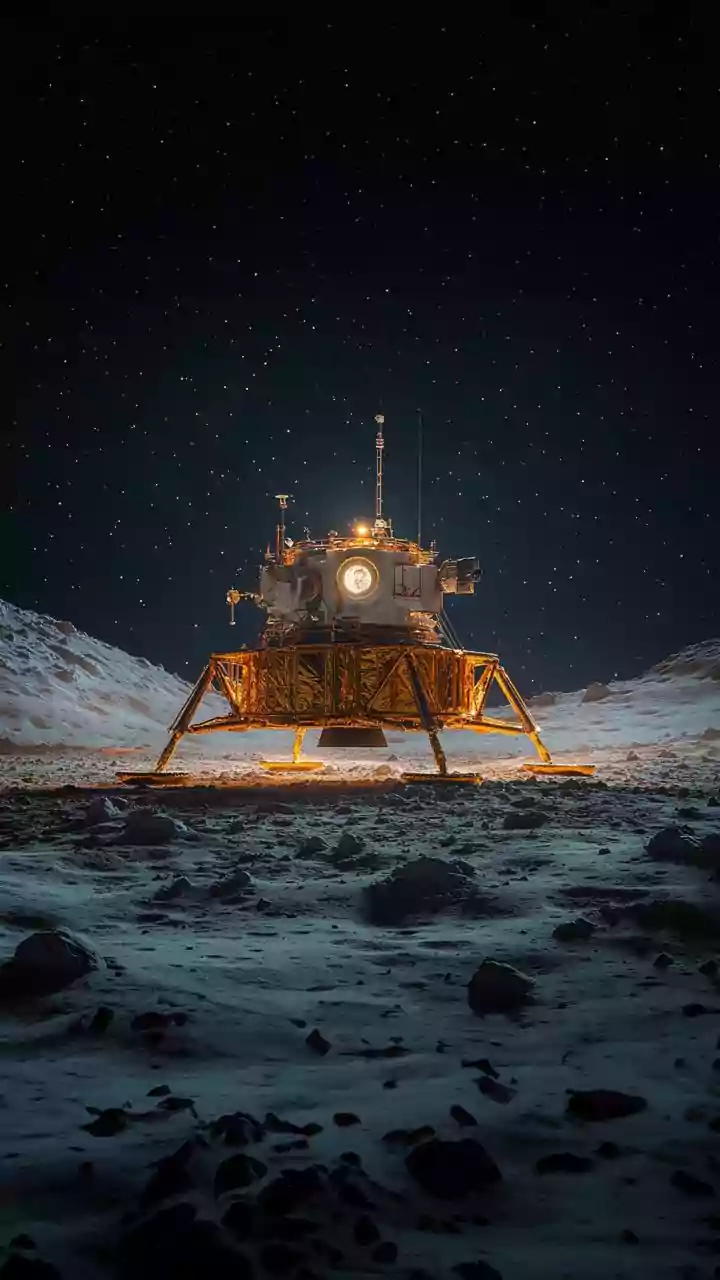
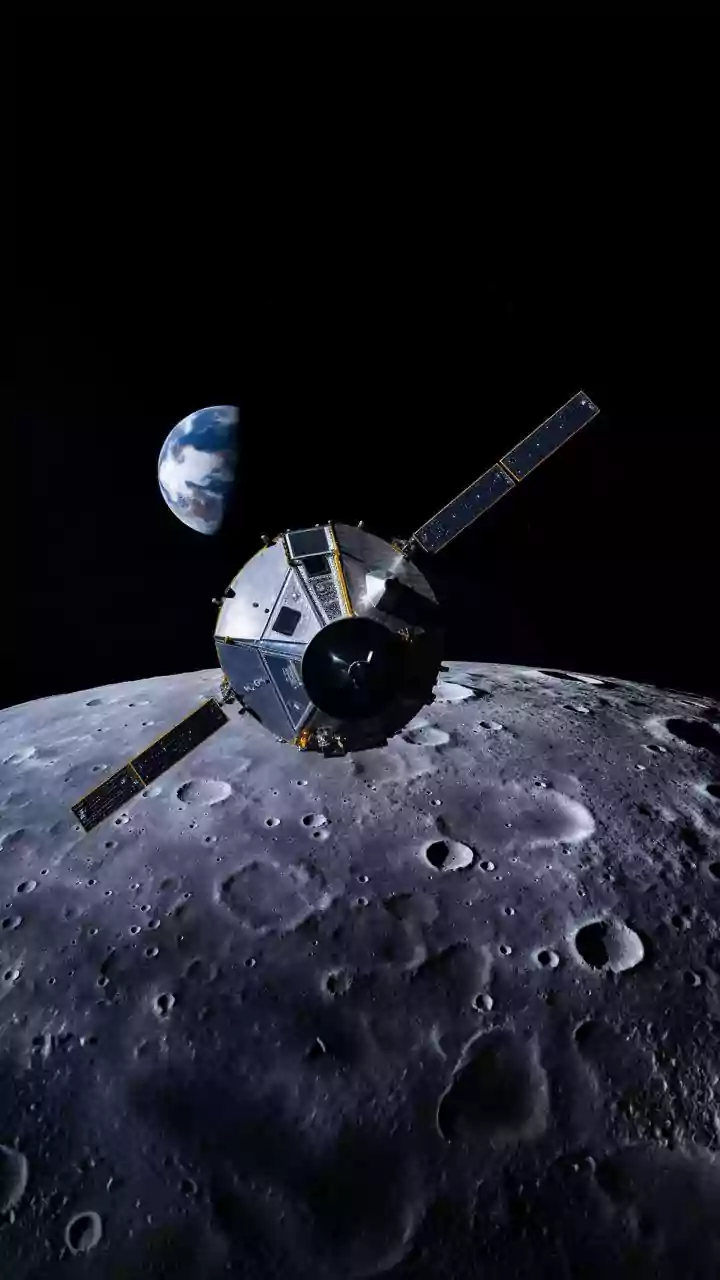

The dream of leaving a footprint on the Moon is now evolving into a much grander vision: building a permanent home there. NASA is turning to student innovators to help solve the immense challenges of powering and building a lunar settlement.
A New Era of Lunar Exploration
More than
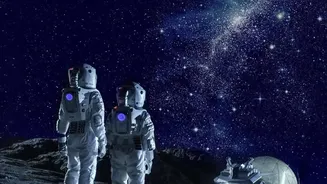
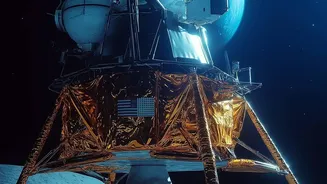
half a century after the last Apollo mission, humanity is heading back to the Moon, and this time, the goal is to stay. Through its Artemis program, NASA is laying the groundwork for a sustained human presence on the lunar surface, specifically near the Moon's South Pole. This ambitious project, known as the Moon Base, is not just about exploration; it's a critical stepping stone for future crewed missions to Mars. But building a functional outpost 250,000 miles from Earth requires solving some of the most complex engineering problems ever faced. To find fresh solutions, NASA has launched initiatives like the Moon Base Challenge, inviting students to contribute bold ideas for how we will live and work in this new frontier.
The Challenge of Powering the Moon
One of the most significant hurdles is providing continuous, reliable power. The lunar environment is one of extremes. While some polar regions offer near-constant sunlight, many areas endure long, frigid nights that can last for two weeks, with temperatures plummeting dramatically. Any power system must be able to generate and store massive amounts of energy to keep life-support systems, scientific equipment, and daily operations running without interruption. This is why 'power generation and storage' is a key category in NASA's student challenges. The agency is looking for groundbreaking concepts that go beyond traditional solar panels, potentially involving nuclear power sources, advanced battery technology, or new ways to distribute energy across a lunar grid.
Building with Moon Dust
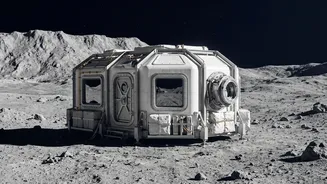
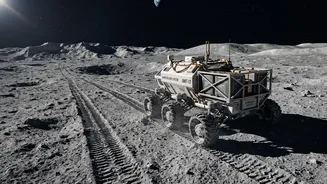
The other monumental task is construction. Launching every brick, beam, and bag of cement from Earth is prohibitively expensive. The future of lunar construction relies on using what's already there: the Moon's surface material, known as regolith. This is the principle of in-situ resource utilization (ISRU). NASA is asking students to design technologies for building essential infrastructure like habitats, landing pads, and protective berms from this lunar soil. Competitions like Lunabotics challenge university teams to design and build robots that can excavate, move, and potentially 3D-print structures with regolith. These designs must account for the unique properties of regolith—it's abrasive and sharp—and the challenges of building in a low-gravity, vacuum environment.
How Students Can Get Involved
NASA has created several pathways for students to contribute, primarily through its Artemis Student Challenges. Competitions like the Moon Base Challenge and Lunabotics are open to teams from universities and, in some cases, high schools. Typically, these challenges are open to students enrolled in U.S. institutions. However, international students, including those from India, can often participate in other NASA programs like the NASA Space Apps Challenge, a global hackathon that welcomes innovators from all backgrounds. Some competitions, like the International Lunabotics Championship, have also seen participation from Indian universities. These programs require teams to develop detailed proposals, including technical papers, systems engineering plans, and sometimes even functional prototypes, giving them real-world experience in the space industry.
More Than Just a Competition
Participating in these challenges offers more than just prize money. It's an opportunity for students to engage directly with NASA's mission, receive mentorship from agency experts, and develop critical skills for a future career in the aerospace sector. By tackling real problems that NASA engineers are working on, students are not just completing an academic exercise; they are contributing to the collective knowledge needed to make humanity a multi-planetary species. The ideas generated through these competitions can influence the design of actual flight hardware and mission architectures. It's a chance for the Artemis Generation to help build the future they will inherit—one where humans have a permanent, thriving presence on the Moon.