






An Icon in Every Bite
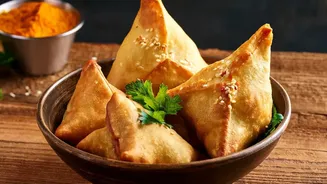
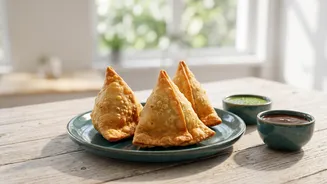
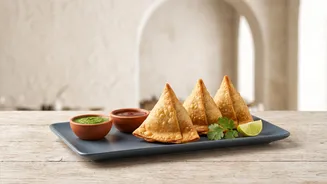
For the residents of Prayagraj, the samosa is more than just a deep-fried snack; it's a daily ritual. It’s the faithful companion to morning tea, the go-to bite for students, and the star of countless evening gatherings. The city's lanes, particularly
areas like Loknath, are dotted with legendary establishments, some over a century old. Legacy shops such as Hari Ram and Sons, established around 1890, have perfected their recipes over generations. Their fame rests not just on the classic spiced potato filling but also on unique local variations. One such creation is a mini masala samosa, filled not with potato but a secret, dry spice blend that gives it a distinctive taste and a longer shelf life. This culinary heritage, ingrained in the city’s identity, is precisely what has captured the government's attention.
From Product to Plate
The push for Prayagraj's samosas comes from a new state government program called 'One District, One Dish' (ODOD). This initiative is inspired by the successful 'One District, One Product' (ODOP) scheme, which was launched in Uttar Pradesh in 2018 to champion a signature product from each of the state's 75 districts, from Banarasi silk sarees to Kannauj perfumes. The aim of ODOP is to preserve local crafts, boost economies, and create jobs by providing financial, technical, and marketing support. The ODOD initiative applies this same logic to food. After extensive consultations with culinary experts, historians, and local business owners, the samosa was officially chosen to represent Prayagraj's unique gastronomic identity, beating other local favourites like kachori and imarti in the process. Following the selection, officials also included the city's popular rasgullas and puri-kachoris under the scheme's umbrella.
A Recipe for Growth
This official recognition is much more than a symbolic gesture. For the hundreds of vendors and small businesses that form the backbone of Prayagraj's samosa economy, it promises tangible support. The ODOD initiative aims to function as an accelerator for these local entrepreneurs. The government plans to provide financial assistance through subsidies and loans, helping vendors to either establish new units or expand their existing operations. According to the industries department, the scheme is set to benefit a vast network of around 800 manufacturers, 400 street vendors, 300 restaurants, and numerous self-help groups associated with these food items. The goal is to streamline production, improve hygiene standards, develop better packaging, and create a stronger brand identity that can travel beyond the city's borders.
The Bigger Picture
The anointment of the samosa is a pilot test for a much larger vision: turning hyper-local culinary treasures into organized micro-industries. Officials estimate that this push could generate employment for more than 1,500 people in Prayagraj alone. By offering training and financial backing, the scheme empowers the smallest street vendor and the most established restaurant alike, with no minimum educational qualification required to apply. The initiative is designed to create a more formalized ecosystem, enabling these traditional businesses to scale up and access wider markets, potentially even national and international ones. It's a strategic move to ensure that India's rich and diverse street food culture doesn't just survive but thrives, contributing significantly to local economies.