





The 'Best Before' Date: A Mark of Quality
The 'Best Before' date is perhaps the most misunderstood label on a food package. According to the Food Safety and Standards Authority of India (FSSAI), this date is an indicator of quality, not safety. It signifies the period during which the food will
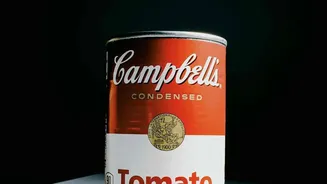
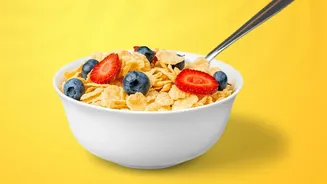
retain its optimal flavour, texture, and nutritional value, provided it is stored correctly in an unopened package. Foods like biscuits, chips, cereals, and canned goods are perfectly safe to eat after their 'Best Before' date. They might not be as crisp or flavourful, but they are not harmful. So, if that packet of chips has passed its 'Best Before' date by a week, it is likely still fine to eat, though it might have lost some of its crunch.
The 'Expiry / Use By' Date: A Strict Deadline
This is the date to take seriously. The terms 'Expiry Date' and 'Use By' are about safety and are used for highly perishable products. Think of items like milk, paneer, bread, and packaged meats. The FSSAI defines this as the date after which the food may be unsafe to consume, even if it looks and smells normal. Consuming food past its 'Expiry' or 'Use By' date can expose you to harmful bacteria and increase the risk of foodborne illnesses. Unlike 'Best Before', this is a hard stop. For these products, the rule is simple: if the date has passed, the food should be discarded to ensure your safety.
What About 'Date of Manufacture'?
Alongside the 'Best Before' or 'Expiry' date, you will always find the 'Date of Manufacture' or 'Date of Packaging'. This simply tells you when the food product was made and packed. While it doesn't tell you when to consume the item by itself, it provides context. For example, if a product has a shelf life of six months and was manufactured in January, you know its 'Best Before' or 'Expiry' will be around July. It is a mandatory piece of information under FSSAI regulations that helps ensure transparency from the manufacturer to the consumer.
Trust Your Senses as the Final Check
While date labels are important guides, they don't replace common sense. Your own senses are a powerful tool in preventing both food waste and food poisoning. Before consuming any food, regardless of the date, give it a good check. Look for any changes in colour, texture, or the presence of mould. Does it have an off-smell? Is the packaging bloated or damaged? These are clear signs that a food has spoiled and should not be eaten, even if it is within its 'Best Before' period. For products past their 'Best Before' date, this sensory check is especially important. If it looks, smells, and tastes fine, it's generally safe.
Smart Storage Extends Shelf Life
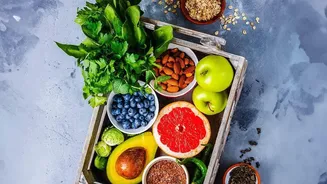
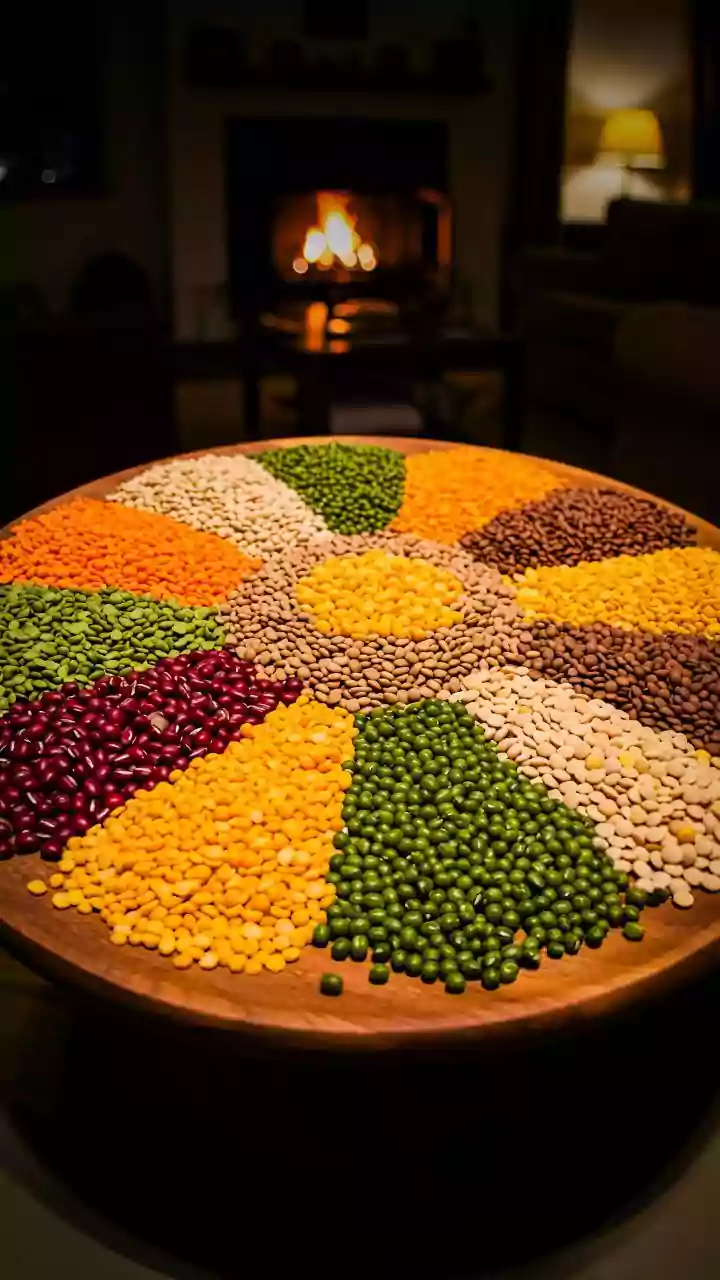
How you store your food has a massive impact on how long it lasts, often allowing it to stay fresh well beyond the printed date. Proper storage as per the instructions on the package is key to maintaining quality and safety. For instance, keeping your refrigerator at the correct temperature (below 5°C) slows down bacterial growth on perishable items. Dry goods like pulses, flours, and spices should be kept in airtight containers in a cool, dark place to protect them from moisture and pests. Once a package is opened, the 'Best Before' date is no longer a reliable guide, as exposure to air and contaminants can speed up spoilage. By storing food correctly, you extend its life and get the most value out of your groceries.