






A Once-in-a-Century Discovery
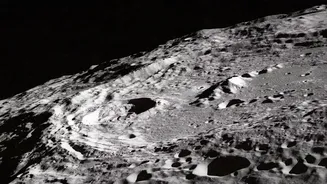
Scientists have identified a massive, newly formed crater on the Moon, the result of a collision so powerful it’s considered a once-in-a-century event. Named McGetchin Crater, the feature is about 728 feet across—larger than the Roman Colosseum—and deep
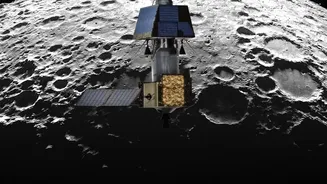
enough to swallow three school buses stacked vertically. The impact, believed to have occurred in the spring of 2024 from an object the size of a multi-story building, went undetected for over a year. A researcher poring over data from NASA's Lunar Reconnaissance Orbiter (LRO) in 2025 first noticed a strange bright spot in a place that was previously unremarkable, triggering a deeper investigation that confirmed the massive new crater.
More Than Just a Hole
While the crater itself is impressive, the true scale of the event lies in its widespread effects. The headline claim of over 100 kilometers (or more than 66 miles) of change doesn't refer to the crater's diameter, but to the vast surrounding area that was blasted and transformed by the impact. Material ejected from the collision was thrown across this enormous distance, churning up the lunar surface. Scientists were surprised to find that the dust and rock were hurled away at a higher angle than their models predicted, offering new insights into the physics of high-velocity impacts on bodies with no atmosphere.
A 'Cold Spot' Reveals Hidden Changes
The discovery goes beyond what the eye can see. Using the LRO's thermal instruments, scientists found a 4-mile-wide (7-kilometer) 'cold spot' surrounding the crater. This area is significantly cooler during the lunar night than the adjacent terrain. The reason isn't a chemical change, but a physical one. The shockwave from the impact effectively 'fluffed up' the top layer of lunar soil, known as regolith. This loosened, less dense material is not as good at retaining heat from the sun, causing it to cool down much faster. This finding shows that a single impact can fundamentally alter the physical properties of the lunar surface far beyond the crater rim.
Gardening the Moon's Surface
Researchers sometimes refer to this process as 'regolith gardening'. Each impact, large or small, churns the ancient lunar soil, bringing buried material to the top and changing its texture. The McGetchin event provides a perfect, pristine example of this process on a grand scale. Because the LRO had been imaging the Moon for years, scientists have clear 'before' and 'after' pictures, allowing them to study a fresh impact site before it's weathered by the harsh space environment. This data is invaluable, showing that the top layer of the Moon is being overturned faster than previously thought.
Why This Matters for Future Missions
This discovery is more than a cosmic curiosity; it has direct implications for NASA's plans to establish a permanent human presence on the Moon. Understanding the frequency and effects of such impacts is critical for ensuring the safety of astronauts and equipment. The fact that the impact altered the soil's physical properties over such a wide area could affect the design of rover wheels and the stability of structures built on the surface. Observing a 'once-in-a-lifetime' event like this provides a rare and vital data set for engineers planning humanity's return to our celestial neighbor.