


The Core Advice: Go Broad
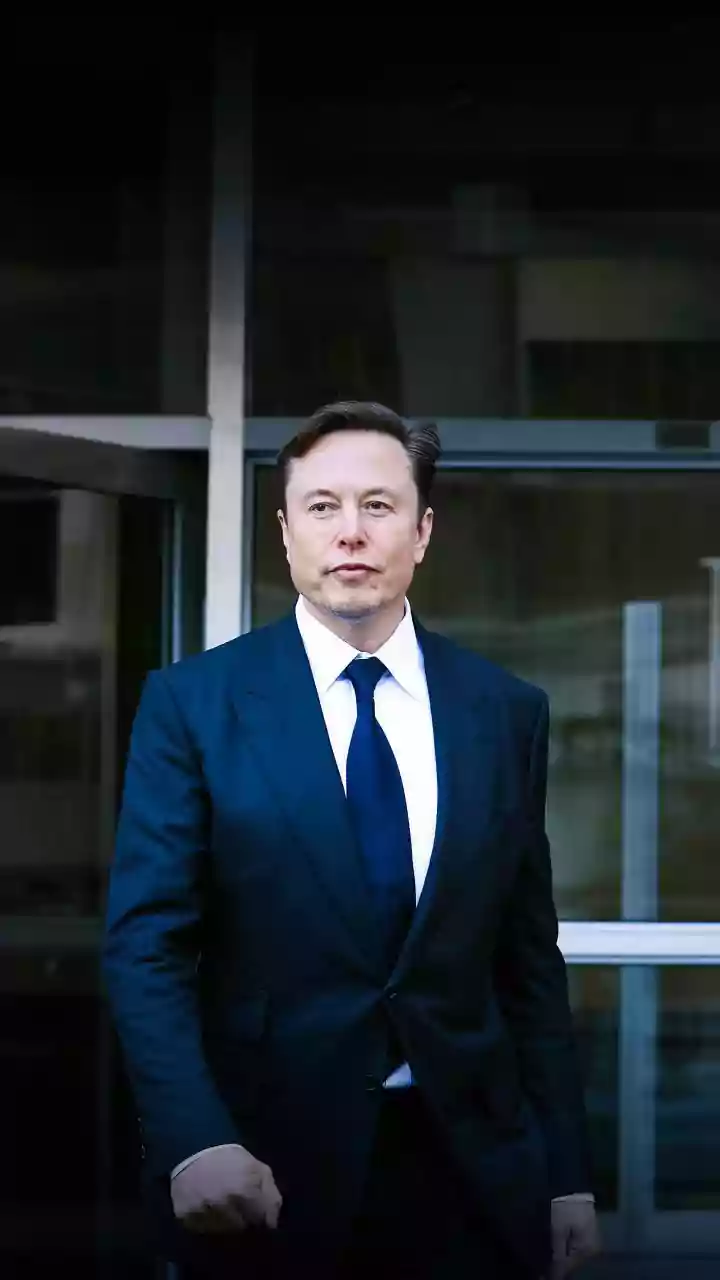
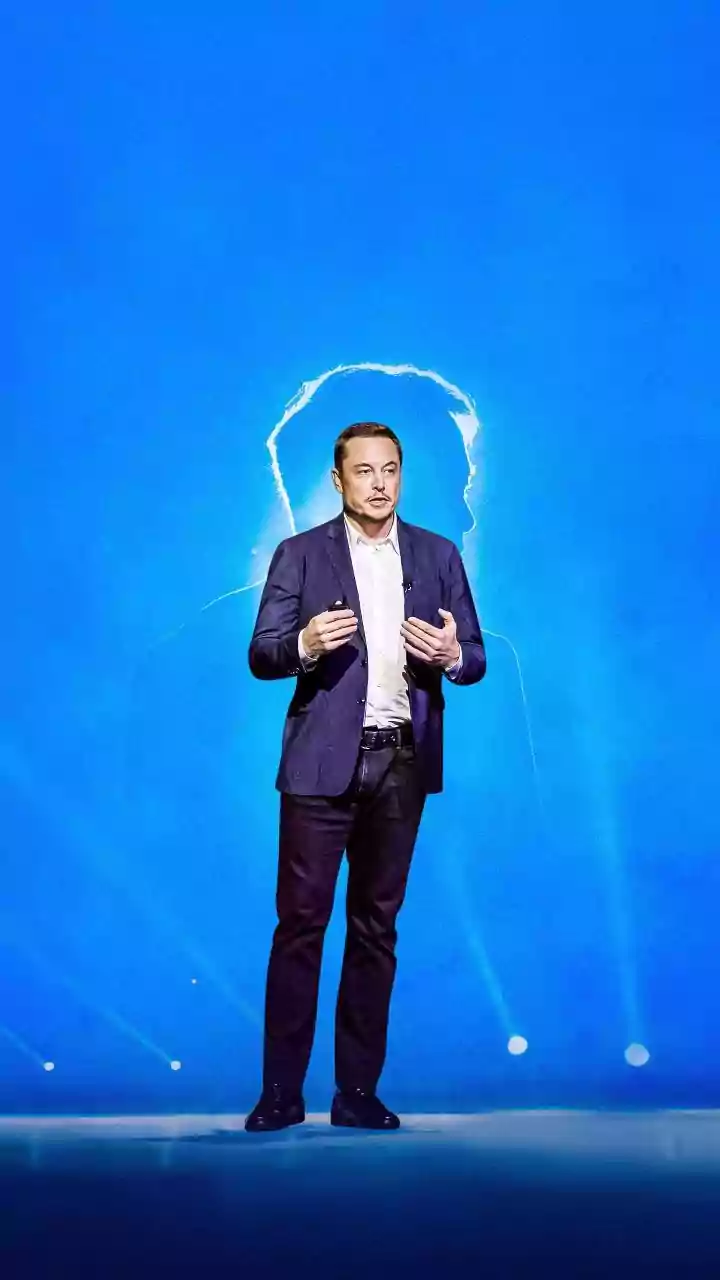
In a world pushing young people towards specialized STEM fields, Elon Musk is advocating for the opposite approach. His core message to Gen Z is to resist the urge to narrow their education too early. Instead, he recommends building a wide-ranging foundation
of knowledge across multiple disciplines, including the arts, sciences, and humanities. This advice stems from his belief that as artificial intelligence becomes capable of handling highly specific tasks—from writing code to analyzing data—the premium on human value will shift. The advantage may no longer belong to the person who can perform a single function, but to the person who can understand the bigger picture and ask the right questions. For Musk, it’s about cultivating the context needed to direct AI, a skill that is nurtured by diverse knowledge, not a narrow focus.
The 'Age of Abundance' Explained
Musk's educational advice is deeply connected to his prediction of a coming 'Age of Abundance.' He envisions a future where AI and robotics become so advanced that they can produce nearly all goods and services, leading to unprecedented global wealth. In recent remarks, he suggested this could lead not just to a universal basic income, but a 'universal high income' for everyone. In this scenario, the fundamental nature of work and economy would be transformed. If machines handle most of the 'doing,' the human role may evolve from labourer to director. He has even speculated that in such a future, money itself might become less relevant. This futuristic vision is the backdrop for his advice; he is encouraging young people to prepare for a world where creativity and critical thinking are more valuable than task-oriented skills that can be automated.
Why Humanities and Critical Thinking Matter
If AI is the 'how,' humans will need to provide the 'what' and 'why.' This is where a broad, liberal-arts-style education becomes critical. Musk argues that to effectively command powerful AI tools—a skill now dubbed 'prompt engineering'—one needs a vast well of general knowledge. A person who understands history, psychology, and ethics can formulate more insightful questions and make better judgments than someone with purely technical training. The ability to connect disparate ideas, understand human motivation, and think critically about the outputs of an AI will be the defining skills. In Musk's view, education should be less about collecting a specific set of job-ready skills and more about building a flexible mental toolkit for problem-solving in a world we can't yet fully predict.
From Theory to Practice for Gen Z
So what does this mean for a young person in India choosing a course of study? It doesn't mean abandoning engineering or medicine. Specialized skills will still be essential. However, it does suggest supplementing that specialization with a wider curiosity. This could mean an engineering student taking courses in philosophy, a business major studying art history, or a literature student learning basic coding. The goal is to become what is often called a 'T-shaped' individual: someone with deep expertise in one area (the vertical bar of the 'T') but a broad base of knowledge in many others (the horizontal bar). This approach fosters adaptability, a crucial trait in a rapidly changing job market. The focus should shift from merely learning a trade to learning how to learn, continuously and across disciplines.
A Contradiction, or a New Reality?
It’s worth noting the apparent contradiction: Musk, a hyper-specialized engineer and entrepreneur, is advising against specialization. However, his advice is not for the present, but for a future he is actively building. He has consistently argued that people should strive to be useful and contribute more than they consume. In the past, this meant mastering a specific, valuable skill. In the AI-driven future he foresees, being 'useful' may mean having the broad wisdom to steer technology toward beneficial outcomes. While his vision of an 'Age of Abundance' remains a forecast rather than a reality, the underlying advice to cultivate intellectual flexibility and lifelong learning is practical wisdom for navigating an uncertain future, regardless of whether a robot eventually does your job.