

The Woman Known as 'Turmeric Trinity'
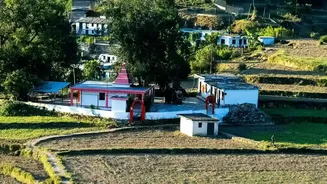
Trinity Saioo is a schoolteacher by profession from Mulieh village in the West Jaintia Hills. But her impact extends far beyond the classroom. Seeing the financial struggles of women in her community, many of whom were dependent on low-yield crops, she
decided to act. Her journey began in 2003 when she personally switched from growing the traditional 'Lachein' turmeric to a local, high-value variety called Lakadong. The results were immediate: her earnings doubled. This personal success became the seed of a much larger movement. For her incredible work in spearheading a women-led farming revolution and uplifting her community, she was awarded the Padma Shri, one of India's highest civilian honours, in 2020.
What Makes Lakadong Turmeric Special?
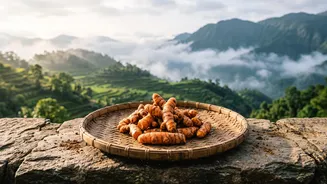
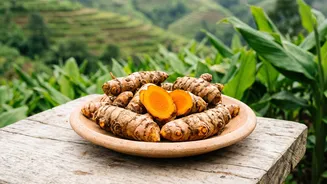
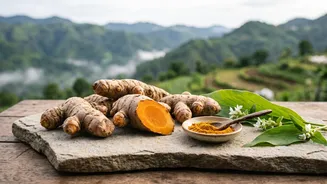
Not all turmeric is created equal. The Lakadong variety, native to the Jaintia Hills, is considered one of the world's best. Its claim to fame is an exceptionally high curcumin content, the active compound that gives turmeric its potent anti-inflammatory and antioxidant properties. While regular turmeric varieties may contain 2-3% curcumin, Lakadong boasts a remarkable 7-12%. This high concentration gives it a vibrant colour, a distinct aroma, and significant value in both culinary and medicinal markets. For years, however, its potential was untapped by local farmers who lacked awareness and access to markets. The unique climate and soil of the Jaintia Hills give Lakadong its special properties, and it has even been granted a Geographical Indication (GI) tag, cementing its link to the region.
How the Initiative Supports Women
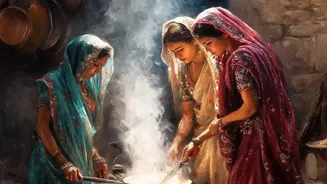
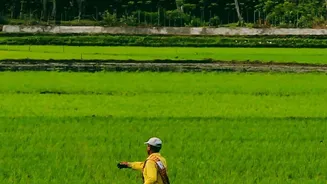
Trinity Saioo's initiative is built on education and collective action. After her own success, she began persuading other women to make the switch to Lakadong turmeric. She helped them navigate the paperwork required to get subsidies from the Spices Board and other government schemes. The core of the model is the formation of Self-Help Groups (SHGs). Through these groups, Saioo and her team provide training in organic farming methods, which is crucial for producing high-quality turmeric. They also organised cooperatives, such as the Ieng Skhem Spice Producer Industrial Co-operative Society, to manage production and marketing collectively. This structure allows the women to pool their resources, improve their bargaining power, and bypass middlemen, ensuring they get a better price for their produce. It created a support system where knowledge and success could be shared.
The Tangible Impact on the Community
The results of this grassroots movement have been transformative. The initiative, which started with a handful of women, now involves over 800 farmers across multiple villages. For many of these women, their income has tripled, granting them a level of financial independence they never had before. This economic empowerment has had a ripple effect. Women are now better able to afford education for their children, improve their homes, and contribute decisively to household finances. The initiative has also boosted their confidence and standing within the community. By working together in SHGs and cooperatives, they have built a strong social network and a collective identity. The success of these women growers was a key inspiration for the state's 'Mission Lakadong', a government program launched in 2018 to significantly scale up production.
Challenges and the Road Ahead
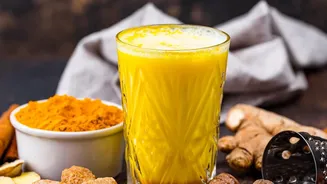
The journey has not been without its obstacles. Initially, the high cost of Lakadong seed tubers was a major barrier for poor farmers, a problem Saioo helped solve by connecting them with the Spices Board. Today, challenges include fluctuating market prices, the need for better processing and storage facilities, and ensuring consistent quality control. However, the cooperative model is actively working to address these issues. Some groups are planning to establish their own testing labs to certify curcumin levels locally and are exploring value-added products like turmeric capsules to tap into new markets. The focus remains on sustainable growth, ensuring that the women who grow this golden spice continue to be the primary beneficiaries of its global demand.