





The Heart's Unseen Struggle in Space
The human cardiovascular system is perfectly tuned to life on Earth, where gravity constantly pulls fluids down. In the microgravity of space, this fundamental force vanishes. As soon as astronauts reach orbit, fluids shift upward from the legs and abdomen
toward the head and chest. This fluid shift causes a decrease in the total volume of blood in the heart and blood vessels, even as astronauts' faces appear puffy. Over time, the heart, which is a muscle, adapts to the lower workload. Without gravity, it doesn't have to pump as hard. This can lead to a gradual weakening and shrinking of the heart muscle, a condition known as cardiac atrophy. Furthermore, the heart can physically change its shape in space, becoming more spherical, which can impact its pumping efficiency.
A Hostile Environment for the Heart
A mission to Mars, lasting up to three years, exposes astronauts to two primary threats: microgravity and deep-space radiation. Outside Earth’s protective magnetic field, astronauts are bombarded by galactic cosmic rays (GCRs), high-energy particles that can damage cells and tissues. Studies suggest that this level of radiation exposure, which is many times higher than on Earth, can increase the lifetime risk of developing degenerative conditions like heart disease. The combination of radiation and weightlessness creates a unique and challenging environment. The body’s response can mimic aspects of accelerated aging, including muscle atrophy, bone density loss, and changes to the cardiovascular system. These factors raise the risk of serious medical issues during a mission, such as irregular heart rhythms or a reduced ability to cope with the return to a gravity environment.
The Tools of Observation
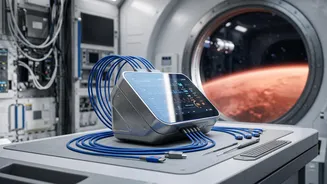
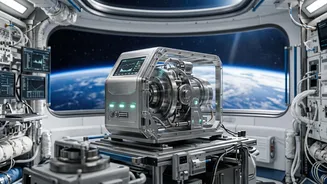
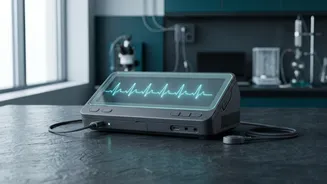
To protect astronauts, space agencies must first understand the risks. This is where continuous cardiovascular monitoring becomes crucial. On the International Space Station (ISS), researchers use a variety of tools to track astronaut heart health. These include ultrasounds to observe the heart's shape and function, as well as wearable technology, like the Canadian 'Bio-Monitor' smart shirt, which records vital signs like heart rate and blood pressure during daily activities. For a Mars mission, where immediate return to Earth is impossible and communication delays can be significant, the need for autonomous and sophisticated monitoring is even greater. The goal is to develop compact, non-invasive technologies that can provide real-time data on everything from blood pressure to arterial stiffness, allowing the crew to spot warning signs and intervene long before a problem becomes a medical emergency.
From Mars to Medicine on Earth
The research isn't just about keeping astronauts safe on their way to another planet. The insights gained from studying the heart in space have direct applications back on Earth. Many of the cardiovascular changes seen in astronauts, such as deconditioning and issues with blood pressure regulation, are similar to those seen in patients who are bedridden for long periods or those suffering from certain heart conditions. By studying these effects in a controlled environment, scientists can better understand diseases and develop new treatments. Technology developed for space, from advanced medical imaging to miniaturized sensors for health monitoring, often finds its way into hospitals and homes, improving diagnostic capabilities and patient care for everyone. In this way, the quest to solve the challenges of space travel accelerates medical innovation for all humankind.