







The Magic of Making More
Plant propagation is the process of creating new plants from existing ones. It's an incredibly sustainable and cost-effective way to fill your home and garden with greenery. Instead of buying new plants, you can simply multiply what you already own and love.
This is how many new plant cultivars are discovered and how heirloom plants are passed down through generations. The process is not just practical; it's a deeply satisfying hobby that connects you more closely to the lifecycle of your plants. From a single leaf or stem, you can watch a brand new, genetically identical plant emerge, a perfect clone of its parent.
Stem Cuttings: The Classic Method
This is one of the most common ways to propagate houseplants. It works wonderfully for popular Indian household plants like money plant (pothos), hibiscus, coleus, and bougainvillaea. First, identify a healthy, non-flowering stem on your parent plant. Using clean, sharp scissors or pruners, snip a 4-6 inch section just below a node—the small bump where a leaf emerges. The node is crucial, as this is where new roots will sprout. Remove the lower leaves from your cutting, leaving only a few at the top. You can then place the cutting in a glass of water, ensuring the node is submerged, or dip the end in rooting hormone and plant it directly into moist potting mix. Keep it in a spot with indirect sunlight, and with a little patience, you'll see roots in a few weeks.
Division: Double Your Plants Instantly
For plants that grow in clumps, like snake plants, peace lilies, spider plants, and many ferns, division is the easiest propagation method. This technique literally gives you a new, fully-formed plant in minutes. To begin, gently remove the entire mother plant from its pot. Shake off the excess soil to expose the root system. You will often see natural points of separation, or 'pups', which are smaller plants growing off the main base. Carefully untangle the roots and separate the plant into smaller sections, making sure each new division has a healthy clump of roots and some stems or leaves. If the roots are tightly bound, you may need a clean knife to cut through them. Pot each new section into its own container with fresh soil, water it well, and you've successfully multiplied your plant.
Leaf Cuttings: A Touch of Magic
It seems unbelievable, but many plants can be grown from just a single leaf. This method is particularly effective for succulents like jade plants and echeveria, as well as snake plants and African violets. For a snake plant, you can cut a healthy leaf into several sections and place the bottom end of each section into soil. For succulents like the jade plant, simply twist a healthy leaf off the stem. Let the leaf cuttings sit out for a few days to allow the cut end to dry and form a callus. This prevents rot. Then, lay the leaf on top of well-draining cactus or succulent soil. Mist it occasionally, and in a few weeks, tiny roots and a new baby plant will begin to grow from the base of the leaf.
Water Propagation: A Beginner's Delight
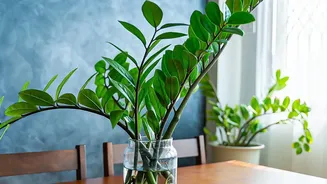
Watching roots develop is one of the most exciting parts of propagation, and the water method puts it on full display. This is an excellent starting point for beginners as it’s simple and visually rewarding. Many trailing plants like pothos (money plant) and tradescantia (wandering jew) root exceptionally well in water. Simply take a stem cutting as described earlier, ensuring it has at least one node. Place the cutting in a jar or vase of clean water, making sure the leaves are not submerged. Change the water every few days to keep it fresh and oxygenated. Place the jar in a bright spot with indirect light. Soon, you will see delicate white roots emerge from the node. Once the roots are about an inch long, you can carefully transplant your new plant into a pot with soil.