




The Ghost of the Mountains
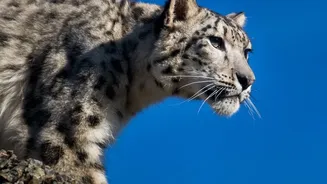
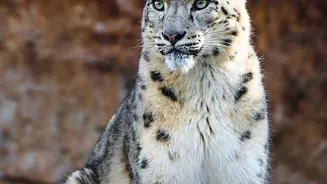
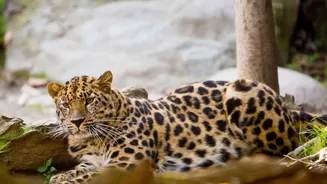
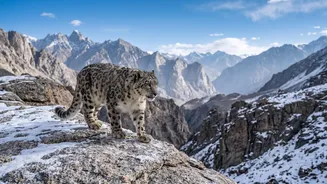
Known as the 'Ghost of the Mountains', the snow leopard is one of the world's most enigmatic big cats. Its exceptional camouflage and solitary nature make it incredibly difficult to spot in the wild. For decades, the only people who regularly glimpsed
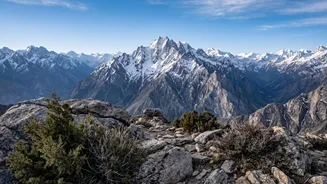
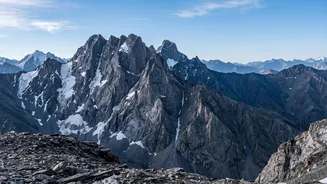
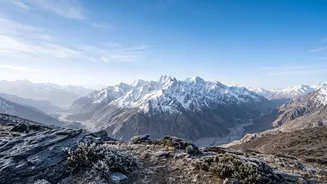
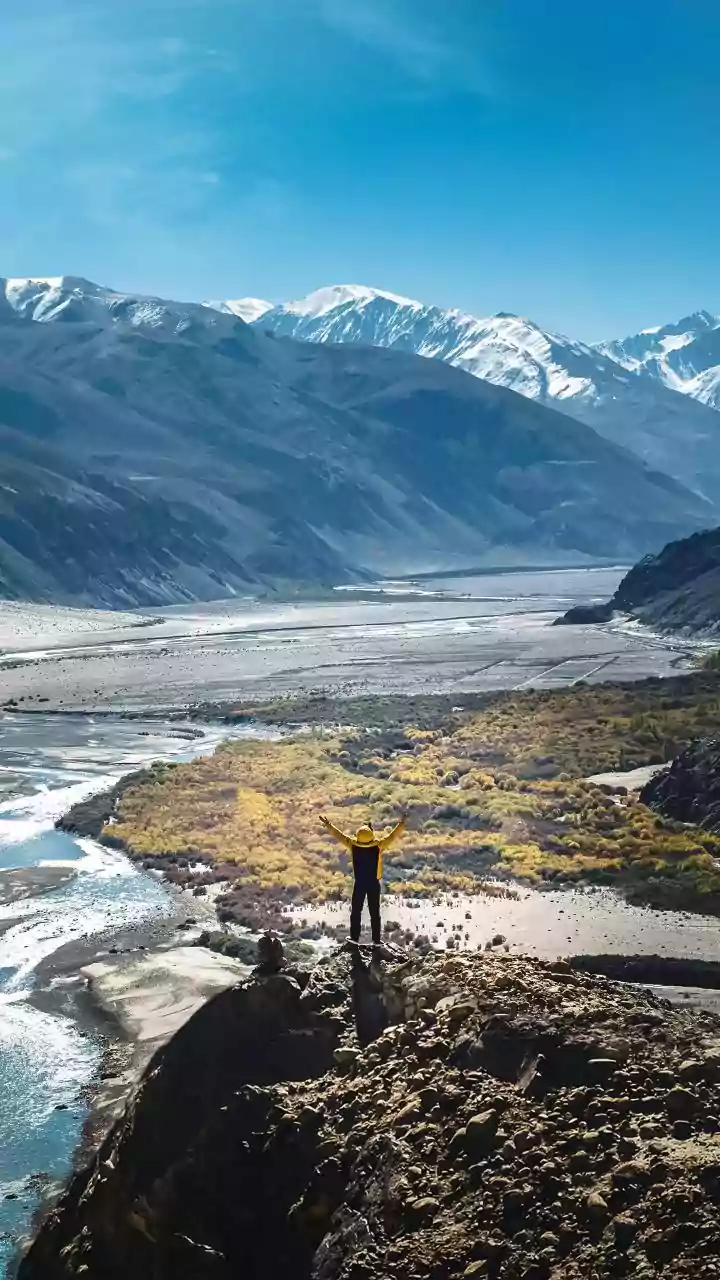
these animals were local herders, often in moments of conflict. Today, however, a new kind of visitor is venturing into the cold, thin air of Ladakh's winter, specifically between January and March, for a chance to see these magnificent creatures. The journey is demanding, requiring days of acclimatisation to the altitude in Leh before venturing into remote valleys like Ulley or Hemis National Park. Patience is paramount, as expert local trackers scan the ridgelines for hours, waiting for a flicker of movement against the rocks.
From Predator to Partner
Historically, the relationship between Ladakhi communities and snow leopards was fraught with conflict. As pastoralists, local families depend on their livestock, and a single snow leopard attack on a corral could be devastating. This often led to retaliatory killings, pushing the already threatened species further towards the brink. However, a revolutionary shift began in the early 2000s with the introduction of community-based tourism, pioneered by organisations like the Snow Leopard Conservancy India Trust (SLC-IT). The idea was simple but powerful: what if the snow leopard could be worth more alive than dead? By turning the cat into a tourism asset, communities could generate income that would offset livestock losses and create a powerful incentive for conservation.
The Blueprint for Responsible Tourism
The cornerstone of this model is the Himalayan Homestay program, which won its first responsible tourism award back in 2004. Instead of camping, visitors stay in the homes of local families, providing direct economic benefits and a rich cultural exchange. This initiative empowers local communities, especially women, who manage the homestays and often run eco-cafes along trekking routes. Furthermore, 10% of all homestay income is pooled into a village conservation fund. This fund is used for community-led projects like planting trees, managing waste, and even building predator-proof corrals to better protect livestock. In some villages, these funds have been used to create 'grazing-free zones', restoring habitats for the snow leopard's natural prey like the blue sheep and ibex.
Minimising the Human Footprint
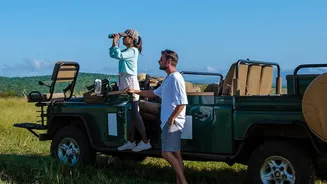
While tourism provides a solution, unregulated activity can create its own problems. Responsible tour operators and local regulations are key to minimising disturbance. Safaris are conducted with a deep respect for the wildlife. Viewings happen from a distance, typically 400 to 500 metres away, using spotting scopes and binoculars to avoid stressing the animals. There are strict rules against approaching, feeding, or making loud noises that could alter the leopard's natural behaviour. Local guides, trained by conservation bodies, play a crucial role in enforcing these ethics and educating visitors. This model of low-impact, high-value tourism ensures that the primary goal remains conservation, with recent government initiatives in late 2026 aiming to further regulate safaris with designated routes and trained local drivers to ensure the fragile ecosystem is protected.