




1. The Collagen Cocktail
The Claim: Sipping on collagen is the secret to bouncy, youthful skin. It’s marketed as a direct deposit of the protein that gives our skin its structure, promising to smooth fine lines and restore elasticity from within.
The Evidence: This is one of the
most researched areas of ingestible beauty, and the results are promising. Multiple studies, including large-scale reviews, have found that regularly taking hydrolyzed collagen peptides can indeed improve skin hydration, elasticity, and dermal collagen density. When you consume these broken-down peptides, your body can absorb them and use them as building blocks, which can stimulate your own natural collagen production. However, patience is key. Most clinical trials show that visible results take consistent use over a period of eight to twelve weeks. So, while it’s not an overnight miracle, there is a solid scientific foundation for its benefits.
2. The Hyaluronic Acid Hydrator
The Claim: Just as topical hyaluronic acid (HA) serums promise to drench your skin in moisture, drinkable HA aims to do the same from the inside out, leading to a plumper, more hydrated complexion and fewer visible fine lines.
The Evidence: The science here is also strong. Hyaluronic acid is a molecule that excels at holding onto water. Research on oral HA supplements shows they can significantly increase skin hydration. Studies have demonstrated that consistent intake can reduce the appearance of wrinkles and improve overall skin texture. For best results, look for products containing low-molecular-weight HA, which is thought to be more easily absorbed by the body. Like collagen, it’s not an instant fix, but clinical tests have shown noticeable improvements in skin moisture in as little as a few weeks.
3. The Matcha Marvel
The Claim: This vibrant green powder, a staple of Japanese tea ceremonies, is hailed as an antioxidant powerhouse that protects skin from damage, calms inflammation, and delivers a healthy glow.
The Evidence: The hype around matcha is well-deserved. It is exceptionally rich in a class of antioxidants called catechins, with one potent compound, EGCG, being particularly beneficial. Matcha contains significantly more of these antioxidants than standard green tea because you consume the entire ground leaf. Research has linked EGCG to a range of skin benefits, including protecting against UV-induced damage, reducing inflammation (which can help with conditions like acne and redness), and improving skin elasticity. While a single cup won't transform your skin, making it a regular part of your routine offers a proven dose of protective compounds.
4. The Berry Antioxidant Blast
The Claim: Smoothies and juices packed with colourful berries like blueberries, strawberries, and pomegranates are not just delicious; they are touted as a way to fight off the environmental damage that leads to premature ageing.
The Evidence: This claim holds up. Berries are loaded with antioxidants, including vitamin C and various polyphenols. These compounds are your body's defence force against free radicals—unstable molecules from pollution, sun exposure, and other stressors that damage skin cells. Vitamin C is especially critical, as it not only functions as an antioxidant but is also an essential cofactor in your body’s own collagen production. While a berry smoothie is not a substitute for sunscreen, a diet rich in these antioxidant-packed fruits provides valuable resources to help your skin repair itself and maintain its health.
5. The Chlorophyll Conundrum
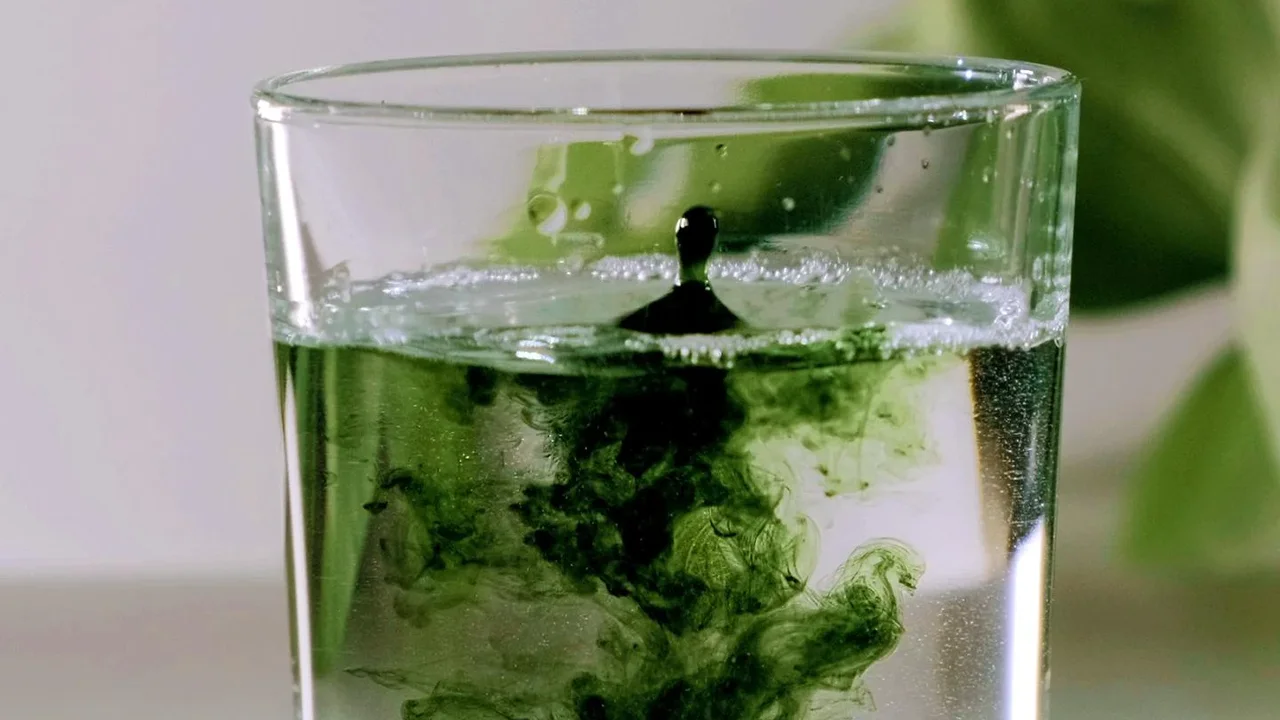
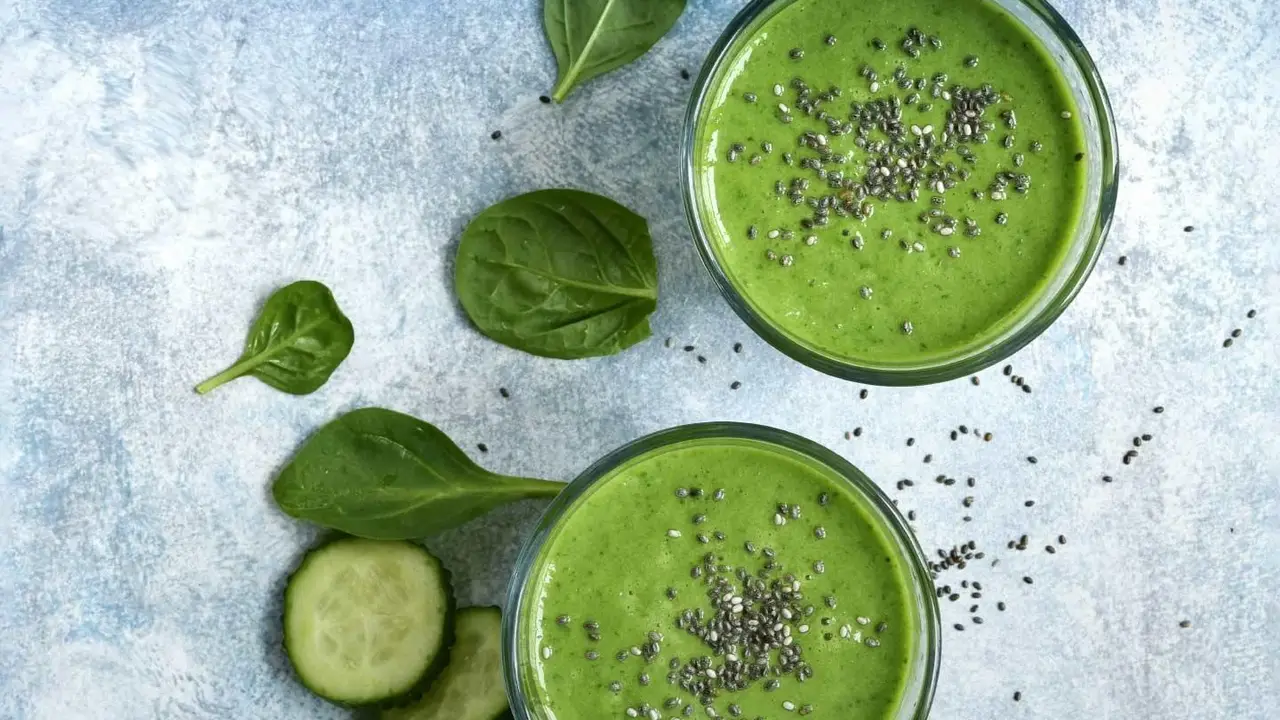
The Claim: A few drops of liquid chlorophyll in water have become a viral social media trend, with influencers claiming it detoxifies the body, clears acne, reduces bloat, and works as an internal deodorant.
The Evidence: This is where the photogenic trend diverges sharply from the science. The evidence for the popular claims about chlorophyll water is extremely limited. Most supplements don't even contain true chlorophyll; they use a semi-synthetic, water-soluble derivative called chlorophyllin. There are no robust human trials to support claims that it detoxifies the body (a job your liver and kidneys already do), works as a weight-loss aid, or clears up skin. Any perceived skin benefits are most likely the result of simply drinking more water. In this case, the 'evidence-led expectation' should be low.
6. The Probiotic Power-Up
The Claim: Consuming drinks rich in probiotics, like kefir, kombucha, or specialty yogurts, can improve your gut health, which in turn will lead to calmer, clearer skin.
The Evidence: This is a fascinating and rapidly emerging field of research centered on the “gut-skin axis.” The theory is that an imbalance in your gut microbiome can trigger systemic inflammation, which can manifest as skin issues like acne, rosacea, or eczema. By introducing beneficial bacteria through probiotics, you can help restore that balance and potentially calm inflammatory skin conditions. While more large-scale human studies are needed, the initial research is very promising, suggesting that nurturing your gut is a valid strategy for supporting skin health. It represents the next frontier in understanding beauty from within.
7. The Foundational Glass of Water
The Claim: The simplest drink of all—water—is the true foundation for healthy, glowing skin.
The Evidence: This is an undisputed fact. Every cell in your body needs water to function, and your skin is no exception. Proper hydration helps maintain skin elasticity, flush toxins, and support overall physiological function. Before spending a fortune on fancy elixirs, ensuring you are drinking enough plain water is the most important step. For an evidence-based boost, add a squeeze of fresh lemon. It provides a small dose of antioxidant vitamin C, which, as we know, is crucial for collagen synthesis. It’s the original beauty drink, and its effectiveness is beyond question.