




Unpacking the Paradox
On the surface, the numbers don't seem to add up. A recent report from ASSOCHAM and Knight Frank revealed that between 2015 and 2025, home prices in the NCR surged by a staggering 193%. In the same decade, however, the actual volume of residential sales
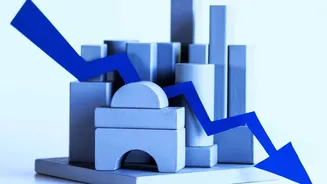
grew by a mere 7%, while the launch of new projects actually declined by 20%. This isn't a simple case of supply and demand. If high demand were pushing up prices, sales volumes should be climbing rapidly. Instead, the data points to a market undergoing a fundamental, structural shift—what experts are calling “value concentration rather than volume expansion.” This means the market's growth is happening in high-value transactions, not in the number of people buying homes.
The Luxury Skew
The single biggest reason for this disconnect is the dramatic shift toward luxury and premium housing. The average price has been pulled upward because developers are increasingly building and selling more expensive homes. In 2018, properties priced over ₹1 crore made up just 18% of all residential sales in the NCR. By the first half of 2026, that share had exploded to 84%. Developers are chasing higher margins and catering to a specific clientele: high-net-worth individuals, non-resident Indians, and upper-income households looking to upgrade. With profit margins on premium homes reaching 25-30% compared to just 10-12% for affordable housing, developers have a clear financial incentive to focus on the top end of the market. This has left a gaping hole where the mid-segment used to be.
The Widening Affordability Gap
For the salaried middle class, the dream of owning a home in NCR is becoming more distant. The market is increasingly tailored for affluent buyers rather than the average household. While property prices have tripled, incomes have not kept pace, widening the affordability gap. The result is a market driven by housing 'demand' in a financial sense, not housing 'need'. Millions may need a home, but the market caters to those who can secure financing for high-value properties. This is compounded by rising land and construction costs, which make it structurally difficult for developers to launch projects at lower price points. Consequently, even as some reports in 2026 suggest income growth may finally be starting to outpace price hikes and improve affordability ratios, the sticker shock remains very real for most aspiring buyers.
Fewer New Launches, More Premium Corridors
The 20% decline in new residential launches over the decade is another critical piece of the puzzle. Rather than building more homes for everyone, developers have concentrated on launching fewer, but more expensive, projects in specific high-growth areas. Improved infrastructure, such as the Dwarka Expressway and Noida-Greater Noida Expressway, has supercharged property values in select micro-markets or 'premium corridors' rather than lifting the entire region's housing supply. This creates pockets of extreme price growth, like in parts of Gurugram and Noida which have seen appreciation of over 100% in recent years, further skewing the region's average price. It's a market where location—and the high-end amenities that come with it—is everything.
Investor-Driven vs. End-User Market
While end-users are present, especially in the luxury segment, the price dynamics also suggest a strong investor presence. A market where prices rise without a corresponding rise in sales volume can indicate that properties are being bought as assets rather than as primary residences. This is especially true for the ultra-luxury segment, where high-net-worth individuals and NRIs seek stable assets. After a period of stagnation, the market saw a cleanup following regulations like RERA, which rebuilt buyer trust. This, combined with a surge in post-pandemic demand for larger, better homes, ignited the current cycle. However, there are early signs that this frenzied price appreciation may be cooling, with some buyers in projects launched in 2025 reportedly pulling back on payments, anticipating price stagnation.