


A Monk Born into Royalty
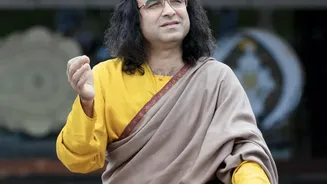
Born on May 19, 1918, into the royal family of Matho in Ladakh, the man who would become a national icon began his life as Prince Ngawang Lobzang Thupstan Chognor. At a young age, he was recognised by the 13th Dalai Lama as the 19th reincarnation of Bakula
Arhat, one of the original sixteen disciples of Gautama Buddha. This recognition set him on a spiritual path. He pursued rigorous monastic education in Tibet, eventually earning the Geshe Lharampa degree, the highest qualification in Buddhist philosophy. This deep spiritual and intellectual grounding would become the bedrock of his long and influential life, guiding his actions far beyond the monastery walls.
The Reluctant Politician
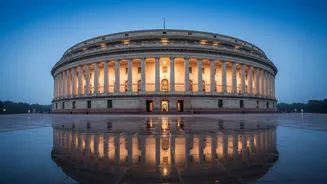
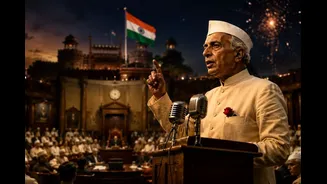
While his calling was spiritual, the shifting political landscape of post-independence India drew him into public service. At the request of his people and with the encouragement of Prime Minister Jawaharlal Nehru, he entered politics in 1949. In the critical period following the partition, when tribal raiders from Pakistan attacked Jammu and Kashmir in 1948, Rinpoche was instrumental in mobilising Ladakhi support for the Indian army. He firmly advocated for Ladakh’s integration with India, famously stating that the region would never join Pakistan. This marked the beginning of a remarkable political career for the monk, who would go on to serve as a Member of Parliament in the Lok Sabha for two terms and as a minister in the Jammu and Kashmir government.
Architect of Modern Ladakh
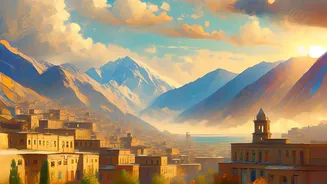
Rinpoche is widely hailed as the 'Architect of Modern Ladakh' for his relentless efforts to champion the region's development. As a parliamentarian, he was a powerful voice for a region often overlooked by the mainstream. He fought for the welfare and rights of Scheduled Castes and Tribes and was a passionate advocate for education, believing it was key to Ladakh's progress. His vision was of a Ladakh that could embrace modernity and development while preserving its unique cultural and spiritual heritage. He allowed a section of his Pethub Monastery to be converted into a makeshift military hospital during the 1962 war, demonstrating his practical approach to leadership and national service.
A Diplomat in Monk's Robes
Perhaps the most unique chapter of his life began in 1990 when he was appointed India's Ambassador to Mongolia, a role he held for a decade. This was an unprecedented appointment, sending a Buddhist monk as a diplomat to a nation just emerging from decades of communist rule, which had suppressed its deep-rooted Buddhist traditions. Rinpoche's tenure was transformative. He was seen not just as an ambassador but as a spiritual guide, or 'Elchin Bagsh' (Ambassador Teacher). He played a pivotal role in the revival of Buddhism in Mongolia, overseeing the rebuilding of monasteries and re-establishing connections with the wider Buddhist world. His work fostered immense goodwill and strengthened the cultural and diplomatic ties between India and Mongolia.
An Enduring Legacy
Kushok Bakula Rinpoche passed away on November 4, 2003, at the age of 85. In recognition of his immense contributions to the nation, he was awarded the Padma Bhushan in 1988. The decision to rename Leh's airport in his honour was a fitting tribute to the man who dedicated his life to connecting Ladakh with the rest of India and the world. The airport, one of the highest commercial airfields globally, stands as a permanent reminder of his towering legacy. It ensures that every visitor to the stunning Himalayan region is introduced to the story of the monk who was also a king, a politician, and a diplomat.