







Introducing the 'Sprite' Tejas Express
For the first time in Indian Railways history, a train will be formally named after a commercial brand. The Lucknow-Delhi-Lucknow Tejas Express (Train Nos. 82501/82502) will be known as the 'Sprite' Tejas Express for a period of time starting August 19,
2026. This change comes after the Indian Railway Catering and Tourism Corporation (IRCTC), which operates the train, awarded advertising and branding rights to the beverage company. The agreement means that for six months, the train will not only feature vinyl wraps of the brand on its coaches but will also be announced by its new co-branded name at all stations along its route.
A New Model for Non-Fare Revenue
The primary driver behind this move is financial. IRCTC and Indian Railways are exploring new avenues for generating non-fare revenue, and corporate branding is a significant opportunity. While exterior advertisements on trains have been common for years, this is the first time a brand's name has been integrated into the train's official title for announcements and public communication. For the branding rights, which include the name prefix and wrapping five of the train's coaches, the company paid a substantial fee. This model allows IRCTC, which already pays Indian Railways haulage charges to use tracks and station infrastructure, to create its own revenue streams.
Distinguishing the 'Private' Train Experience
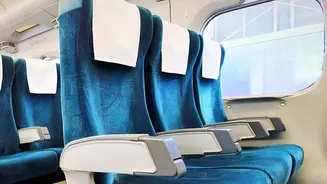
The Lucknow-Delhi Tejas Express is often called one of India's first 'private' or 'corporate' trains because its operations are managed entirely by IRCTC, not Indian Railways directly. This includes everything from ticketing flexibility to onboard services like catering and housekeeping. By allowing a commercial prefix, IRCTC further distinguishes its premium service from the thousands of other trains on the network. It reinforces the idea that this is not a typical train journey but a branded, curated experience with a different service standard, including airline-style hostesses and modern amenities. This branding effort helps build a distinct identity in a market that has been historically monolithic.
What This Means for Passengers
On a practical level, passengers will notice little difference in the high-quality service the Tejas Express is known for, including its modern coaches, onboard infotainment, and included meals. The most immediate change will be hearing station masters announce the arrival and departure of the 'Sprite' Tejas Express. However, the move represents a larger shift. It signals a future where train services could be segmented by brand, each offering different levels of service and amenities. For passengers, this could eventually lead to more choice and competition, similar to the airline industry, where brand reputation plays a key role in consumer decisions.
A Template for the Future?
This branding experiment on the Tejas Express could serve as a blueprint for the future of railway commercialization in India. As Indian Railways continues to explore private participation in train operations, such branding deals could become a common strategy for operators to generate revenue and build brand loyalty. The success of this initiative will be closely watched. If it proves to be a sustainable source of income without compromising service quality, we could see more trains across the country carrying corporate names. This small change to the Lucknow-Delhi Tejas is a significant test case for a new business model that could reshape the commercial landscape of India's vast rail network.