


Understanding the Dahi Kebab Challenge
The magic of a dahi kebab lies in its primary ingredient: hung curd. This gives the kebab its signature soft, creamy interior. However, this very softness is what makes them notoriously delicate. Unlike potato or lentil-based patties, dahi kebabs lack
a firm, starchy structure. The main challenge for any cook is to create a mixture that is firm enough to hold its shape during frying, yet soft enough to deliver that classic melt-in-your-mouth texture. The two most critical stages where things can go wrong are during shaping and frying. A mixture that is too moist will be impossible to shape and will fall apart the moment it hits hot oil.
The Foundation: Perfect Hung Curd
Success begins long before you heat the pan. It starts with properly prepared hung curd. To make it, you'll need to place full-cream curd in a muslin cloth and hang it for several hours, or even overnight in the refrigerator, to drain all the whey. The goal is to get a thick, creamy, almost cheese-like consistency. Any excess water will make the kebab mixture weak and cause it to soak up oil or break apart while frying. It is crucial that the curd is fresh and not sour, as this will dominate the flavour of your final dish. While you can use store-bought Greek yoghurt, hanging it for a few hours is still recommended to ensure it's as thick as possible.
The Secret: A Chilled and Firm Filling
Once you have your perfect hung curd, you'll add binding agents and flavourings. Roasted gram flour (besan) is a traditional binder that helps absorb excess moisture without altering the taste significantly. Other additions like crumbled paneer, breadcrumbs, and finely chopped onions and spices contribute to both flavour and structure. But the headline's key advice is where the real technique comes in: chilling the filling. After mixing all your ingredients, refrigerating the mixture for at least 30 to 60 minutes is a game-changer. This step firms up the curd and other ingredients, making the sticky mixture much easier to handle and shape into patties. Some recipes even suggest freezing the shaped patties for an hour to make them extra firm before they meet the heat.
The Art of Careful Turning
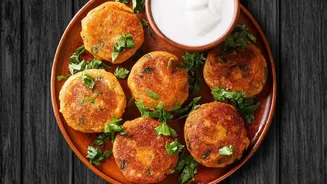
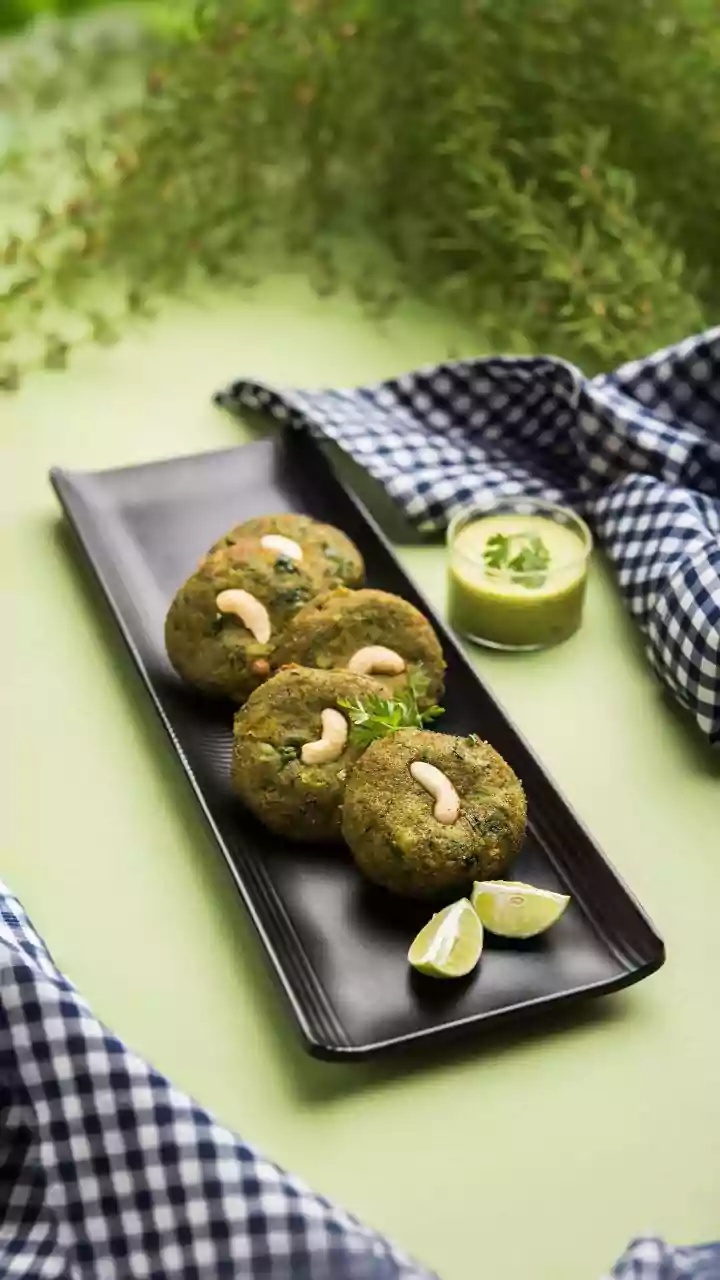
Now for the final, crucial step: cooking. Whether you choose to shallow-fry or deep-fry, the principles remain the same. Heat your oil to a medium temperature; oil that isn't hot enough will cause the kebabs to become greasy and fall apart. Place the kebabs gently into the pan, ensuring you don't overcrowd it. Give them space. The most important part is to be patient. Do not try to flip them too early. Wait until a golden-brown crust has formed on the bottom. This crust is what will hold the delicate kebab together. When it's time to turn them, use a thin, gentle spatula. Flip them carefully and fry the other side until it’s equally golden and crisp. These kebabs cook very quickly, so stay attentive to prevent them from burning.