





What Is Changing at DXB?
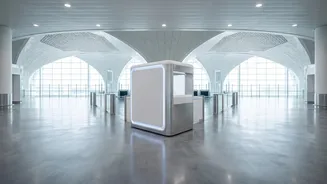
Dubai International Airport is in the process of rolling out a new generation of advanced security scanners across its terminals. According to Dubai Airports CEO Paul Griffiths, the new machines are already being installed as part of a gradual but continuous
upgrade program. This initiative replaces older X-ray equipment with cutting-edge technology designed to make the security process faster, more convenient, and less intrusive for millions of passengers. The upgrades are part of wider refurbishments happening in areas including Terminal 1 and Concourse B.
The Technology Behind the Speed
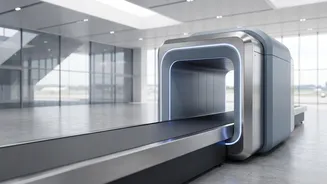
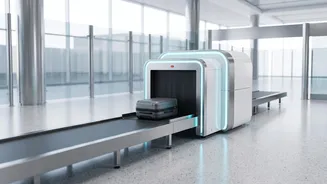
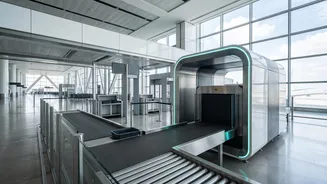
The key to this smoother experience is Computed Tomography (CT) scanning technology. Think of it as a significant leap from the traditional 2D X-ray machines. While older scanners provide a flat image, CT scanners generate a high-resolution 3D image of a bag’s contents, which security personnel can digitally rotate and inspect from every angle. This detailed view, often enhanced with artificial intelligence, allows the system to more accurately identify items without the need for them to be removed from the bag. It gives security staff a much clearer picture, improving threat detection while reducing the need for time-consuming manual searches.
So, What Stays in the Bag?
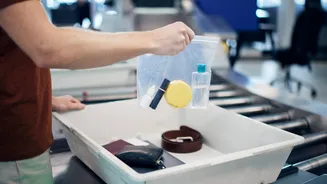
The main benefit for travelers is the end of the unpacking ritual. With these new CT scanners, passengers will be able to keep large electronic devices like laptops and tablets inside their hand luggage during screening. Liquids can also remain in the bag, although the current 100ml container rule still applies. The goal, as stated by airport officials, is to make the entire process slicker and more convenient. In the future, the days of taking off belts and shoes may also become a thing of the past as technology continues to evolve.
A Gradual Rollout, Not an Overnight Switch
While the news is exciting for frequent flyers, it's important to note that this is a gradual implementation. The new scanners are being introduced as older machines are replaced, meaning not every security lane at DXB will have this technology immediately. Therefore, passengers should continue to pay close attention to the instructions given by security staff. If you are asked to remove your laptop or liquids, you should still do so. The ultimate objective is to have the new equipment installed across all checkpoints, ensuring a consistent and improved experience for everyone.
Joining a Global Trend
Dubai's move is part of a broader global shift in aviation security. Airports around the world, from London Heathrow to hubs across the United States and Canada, are also investing heavily in CT technology. Heathrow completed its full rollout earlier in 2026, and the U.S. Transportation Security Administration (TSA) has been deploying the scanners at hundreds of airports. This widespread adoption signals that CT scanning is becoming the new international standard, promising a future where airport security is both stronger and significantly less stressful for travelers everywhere.