







An Ancient Grain for Modern Times
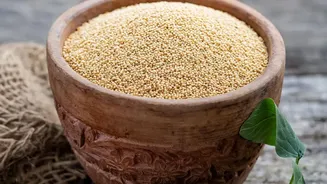
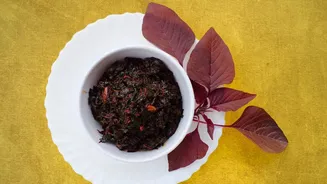
Amaranth isn't technically a grain but a 'pseudo-cereal,' a seed from a plant related to beetroot and spinach. Cultivated for over 8,000 years, it was a staple for ancient civilisations like the Aztecs. In India, it's widely known as rajgira, meaning
'royal grain', and has long been a part of traditional diets, particularly during religious fasts. But now, it's being rediscovered by a new generation focused on wellness, plant-based nutrition, and gluten-free eating. Its resilience as a crop in varied climates also makes it a sustainable food source, further boosting its appeal in today's environmentally conscious world.
The Power Trio for Stronger Bones
The growing buzz around amaranth is strongly linked to its impressive profile of bone-supporting minerals. It delivers a powerful combination of calcium, magnesium, and phosphorus. Calcium is the primary building block of our bones, and amaranth is a notable plant-based source. In fact, some sources state its calcium content is higher than that of milk. But calcium doesn't work alone. Magnesium helps with calcium absorption and plays a role in hundreds of bodily reactions, while phosphorus is another critical mineral for maintaining bone health and density. This trio makes amaranth a fantastic dietary addition for supporting skeletal strength and potentially reducing the risk of osteoporosis.
More Than Just Minerals
While its mineral content is a major draw, amaranth’s benefits don't stop there. It's a complete protein, meaning it contains all nine essential amino acids, including lysine, which is often lacking in other grains. This makes it an excellent food for muscle repair and overall growth. It's also naturally gluten-free, making it a safe and nutritious choice for individuals with celiac disease or gluten sensitivity. Furthermore, amaranth is packed with fibre, which aids digestion, promotes a feeling of fullness, and can help in managing blood sugar levels. Its anti-inflammatory properties and antioxidants add another layer to its reputation as a superfood.
Making Amaranth Your Morning Staple
Incorporating amaranth into your breakfast routine is surprisingly simple. The most popular method is to make a porridge. Simply simmer one part amaranth with about two and a half parts water or milk for 20-25 minutes until it becomes thick and creamy. From there, you can customise it to your liking. For a sweet start, add fresh fruit, nuts, seeds, and a drizzle of honey or maple syrup. You can also blend amaranth flour into smoothies for a protein and mineral boost. If you prefer a savoury breakfast, amaranth porridge can be topped with a fried egg, sautéed greens, and avocado for a hearty and nutritious meal.