




The Old Way: A Race to the Front
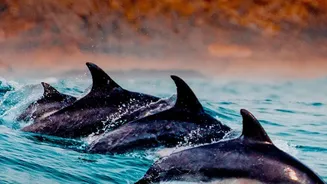
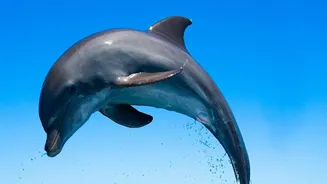
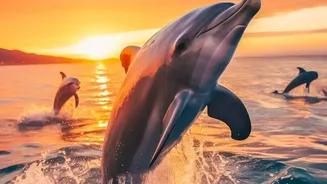
For many, a dolphin tour in popular coastal areas like Goa or Maharashtra once meant a frantic chase. Multiple boats, packed with eager tourists, would often surround a pod of dolphins, revving their engines and cutting off the animals' paths. This high-stress
practice, sometimes referred to as 'corralling', was driven by a desire to guarantee a sighting. Operators, often working under a 'no dolphin, no pay' pressure, would pursue the animals relentlessly. While it may have provided a fleeting glimpse for tourists, this approach caused significant distress to the dolphins, disrupting their natural behaviours like feeding, resting, and socializing. The constant noise from loud, older two-stroke engines also interfered with their ability to communicate and navigate using echolocation, their natural sonar.
The Science of Silence and Space
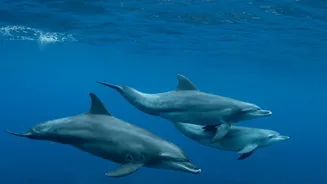
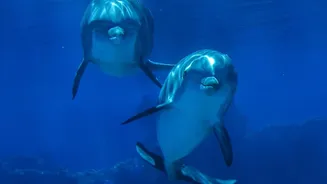
Dolphins live in a world of sound. They use complex clicks and whistles to find food, talk to each other, and understand their environment. The incessant underwater noise from high-speed boat traffic is like a constant loud clamour, making it difficult for them to function. Studies have shown that in the presence of disruptive tourist boats, dolphins spend less time foraging for food and socializing. Recognizing this, a new model of tourism puts the animals' welfare first. The two core principles are simple yet effective: quiet boats and safe distances. Newer four-stroke or electric engines are significantly quieter, reducing acoustic disturbance. Furthermore, guidelines developed by conservationists and responsible operators call for maintaining a minimum distance of 50-100 metres from a pod.
A New Wave of Responsible Operators
Across India, a shift is underway, led by pioneering local communities and eco-conscious enterprises. In Goa, organisations like Terra Conscious have partnered with local boat operators, training them to follow international dolphin-watching guidelines. This includes switching off engines when near dolphins, approaching slowly and parallel to their direction of travel, and educating tourists about the animals' behaviour and conservation needs. In Maharashtra's Sindhudurg district, particularly around Malvan and Murud, dolphin tourism is booming, with an increasing focus on eco-friendly practices that allow visitors to observe dolphins without disturbing them. In Odisha, the management of tourism around the famous Irrawaddy dolphins of Chilika Lake also involves protocols to minimize disturbance, ensuring the long-term health of this unique population.
A Win-Win for Dolphins and Communities
This responsible approach isn't just better for the dolphins; it’s better for everyone. For tour operators, following these guidelines often leads to fuel savings, as there's no more high-speed chasing. It also creates a more premium, respectful, and educational experience that discerning tourists are increasingly willing to pay for. Many boatmen are former fishermen who have found a sustainable alternative livelihood in tourism. By transforming their role from simple transporters to knowledgeable guides, they gain a deeper connection to the marine environment and become its frontline guardians. This model proves that economic prosperity and environmental conservation can go hand-in-hand, creating a sustainable industry for generations to come.
How to Choose an Ethical Dolphin Tour
As a traveller, your choices have power. To ensure you’re supporting a responsible tour, here are a few things to look for: - Ask Questions Before Booking: Inquire about their approach. Do they follow specific guidelines? Do they guarantee a sighting? Responsible operators will prioritise the animals' welfare over a guaranteed close-up. - Observe the Operator's Behaviour: During the tour, notice if the captain chases the dolphins, crowds them, or allows loud music. A good guide will approach slowly, keep a respectful distance, and turn off the engine. - Look for Smaller Groups: Tours with fewer people are often less disruptive and offer a more intimate and educational experience. - Avoid 'Feeding' Tours: Never participate in tours that involve feeding the dolphins, as this dangerously alters their natural behaviour and diet.