
The Daily Ritual: Poha-Jalebi
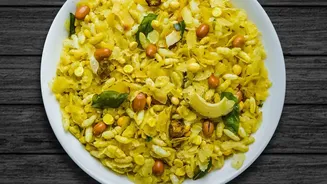
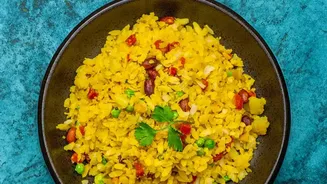
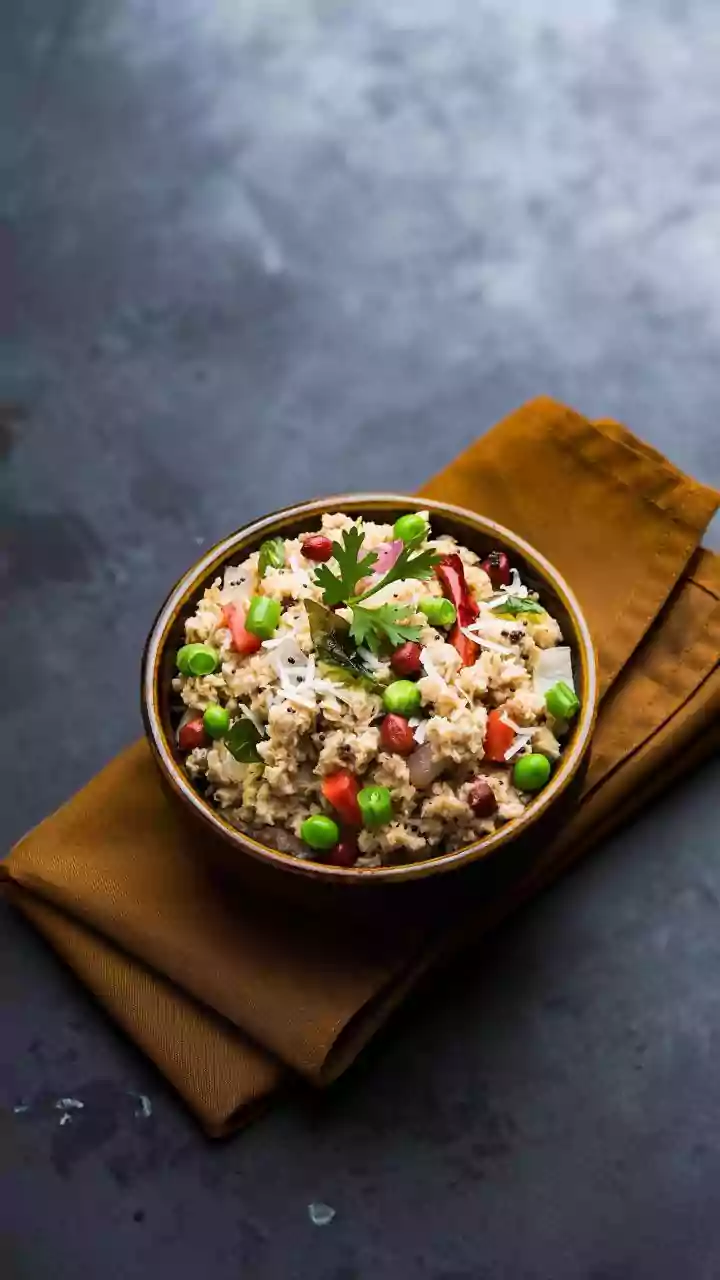
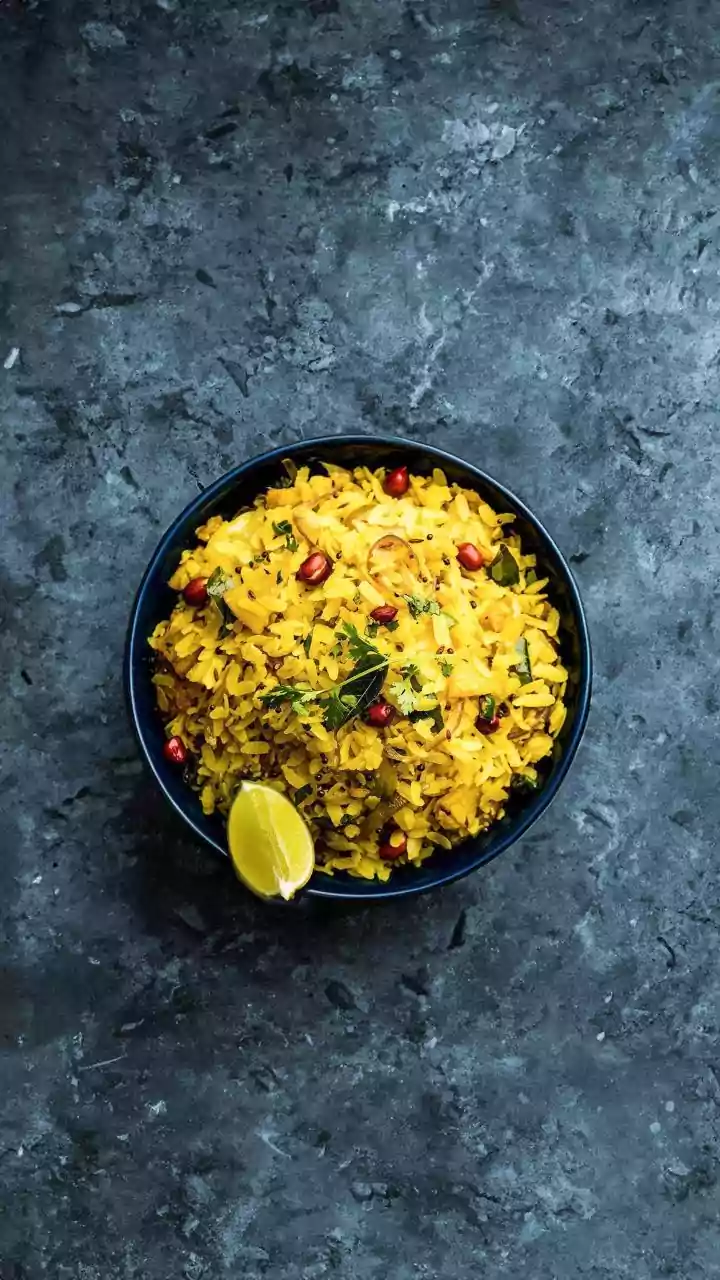
Ask any local about the quintessential Indori breakfast, and they will point you to one combination: poha-jalebi. On paper, it sounds unusual. Poha, a dish of flattened rice, forms the savoury base. But this isn't just any poha. In Indore, it is uniquely
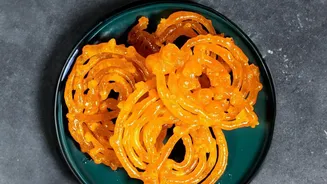
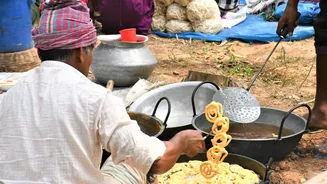
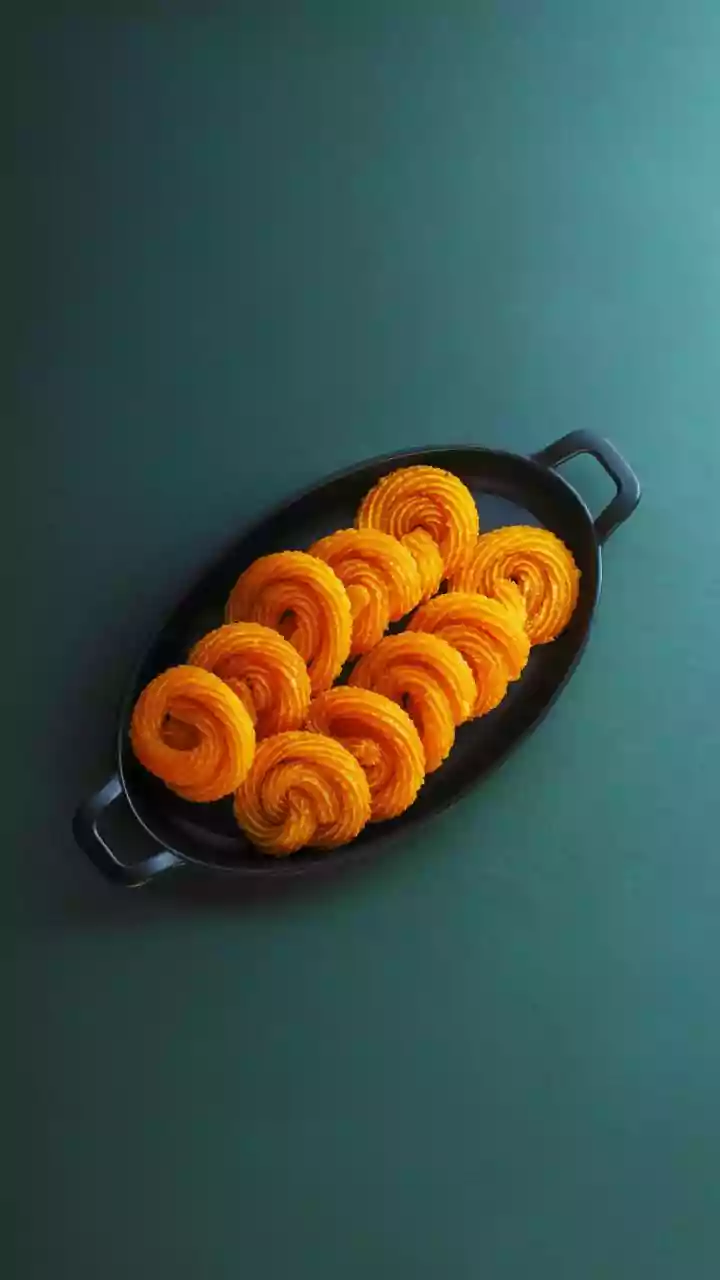
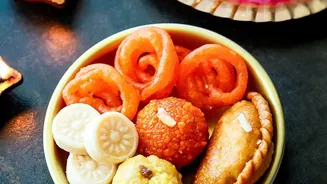
steam-cooked, making it exceptionally soft and fluffy. It's seasoned with mild spices and then generously garnished with chopped onions, fresh coriander, and a crunchy topping of 'sev'—a crispy gram flour noodle. The final flourish is a sprinkle of jeeravan masala, a tangy and spicy local spice blend that gives the dish its signature kick. Paired with this savoury delight is the jalebi, a bright orange, spiral-shaped sweet made from fermented batter, deep-fried to a crisp and soaked in sugar syrup. Taking a bite of the spicy, tangy poha followed by a piece of the warm, syrupy jalebi creates a flavour explosion that is both surprising and perfectly harmonious.
A Culinary Culture of Contrasts
This pairing is not an accident but a reflection of the Malwa region's palate, which has long celebrated contrasting flavours. The food culture in Indore has been shaped by a blend of Marathi, Malwi, and Marwari influences, a legacy of its history as a trading hub and its connection to the Holkar dynasty. The Marathas are believed to have brought poha to the region, but it was in Indore that the dish was transformed into its current, iconic form. The practice of steaming it and pairing it with local additions like sev and jeeravan masala is a distinctly Indori innovation. This love for layered tastes—sweet, spicy, tangy, and crunchy all at once—is a hallmark of the city's cuisine, making the poha-jalebi combination a natural and beloved outcome.
More Than Just One Perfect Pair
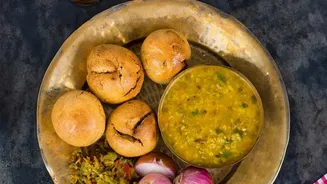
While poha-jalebi is the star, Indore's breakfast scene is full of other examples of this sweet and savoury synergy. Another popular item is the Khasta Kachori, a flaky, deep-fried pastry filled with a spicy lentil or potato mixture, often served with tangy chutneys. It's not uncommon to see people enjoying a hot cup of sweet masala chai alongside a spicy kachori or samosa. Other breakfast staples include Sabudana Khichdi, a light yet filling dish made from tapioca pearls, peanuts, and mild spices, and Bhutte Ka Kees, a unique preparation of grated corn cooked with milk and spices. Even savoury snacks are designed for textural and flavour contrasts, like Khopra Patties—potato cutlets with a surprising core of sweet, grated coconut. These dishes showcase a culinary philosophy where no single flavour profile dominates.
The Social Fabric of Food
In Indore, breakfast is a communal activity, a social ritual enjoyed not at home but in the bustling streets and markets. Places like Chappan Dukan (meaning '56 Shops') and the legendary Sarafa Bazaar (a jewellery market by day that transforms into a food paradise by night) are the epicentres of this culture. From the early hours of the morning, vendors fire up their stalls, and the air fills with the aromas of frying, steaming, and spice. College students, office workers, and families all gather at their favourite spots, sharing stories over plates of poha or kachori. This street food culture is accessible to everyone, fostering a sense of community and making food a central part of the city's identity.