
An Incident That Shook the Cabin
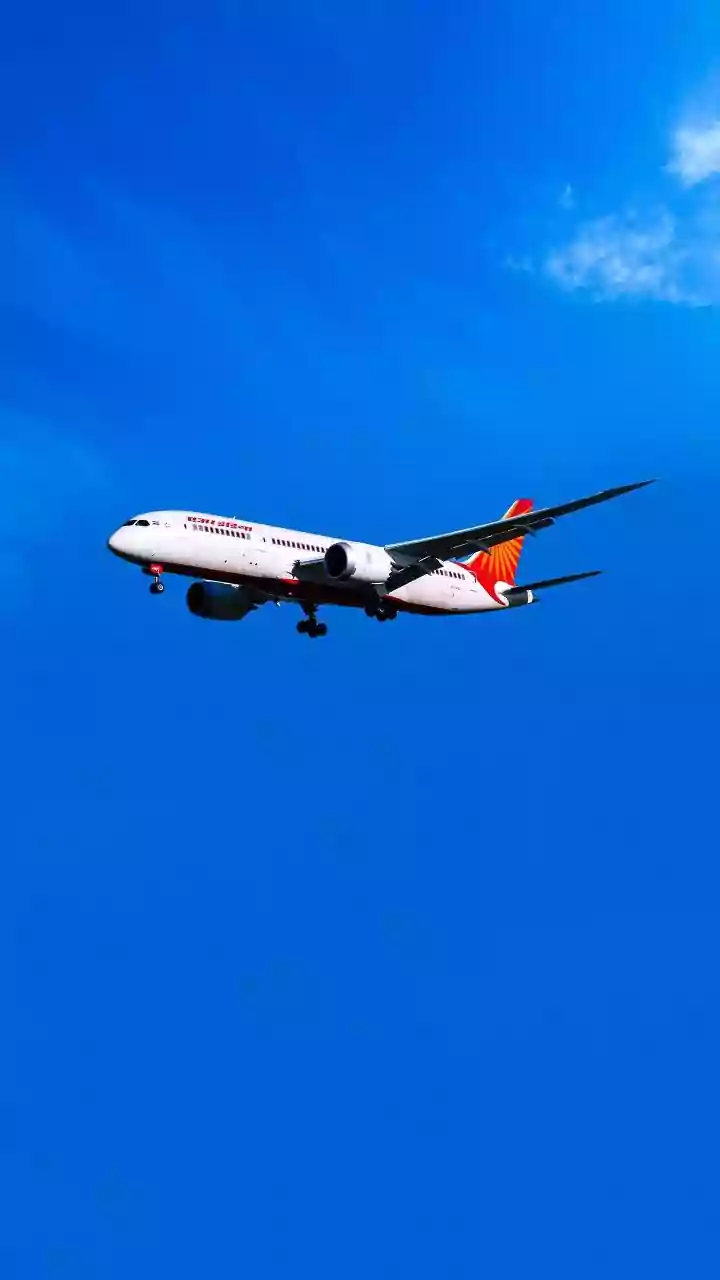
On August 5, 2026, an Air India flight from Phuket to Delhi experienced severe turbulence, resulting in a sudden loss of altitude. Passengers and crew were violently shaken, and those who were not buckled in were thrown around the cabin, leading to 17
reported injuries. While the aircraft landed safely, the incident serves as a powerful case study. The majority of serious injuries in such events almost always happen to those who are unbelted. This event is not an isolated one; similar incidents on other airlines have repeatedly shown that a simple lap belt is the single most effective piece of personal safety equipment during unexpected turbulence.
The Invisible Threat: Clear-Air Turbulence
Many passengers assume turbulence is linked to storms and visible clouds, something a pilot can see and avoid. However, the most dangerous type is often Clear-Air Turbulence (CAT). As the name suggests, CAT occurs in cloudless, clear blue skies and is effectively invisible to pilots and undetectable by conventional onboard radar. It is caused by clashes between air masses moving at different speeds, often near high-altitude jet streams. Pilots have no warning signs before flying into it, meaning the first indication of trouble is the violent shaking itself. This unpredictability is precisely why the 'seatbelt sign off' chime should not be seen as an all-clear guarantee.
Why Climate Change Means More Bumps Ahead
The problem of Clear-Air Turbulence is getting worse. Atmospheric scientists have established a direct link between climate change and an increase in the frequency and severity of CAT. As global temperatures rise, it creates greater temperature contrasts in the upper atmosphere, which in turn strengthens wind shear within the jet streams—the very mechanism that creates CAT. One major study found that the most severe category of CAT increased by 55% between 1979 and 2020 over the busy North Atlantic flight corridor. This means that the calm flights of yesterday are no guarantee for the flights of tomorrow, making personal vigilance even more crucial.
The Simple Physics of Staying Safe
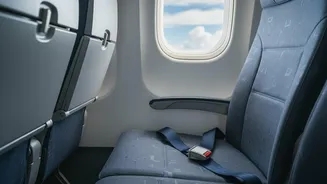
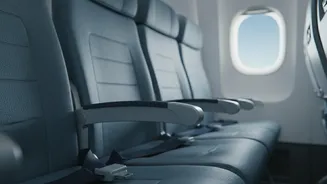
During a sudden patch of severe turbulence, an aircraft can drop or rise hundreds of feet in a matter of seconds. To an unbuckled passenger, the effect is dramatic. You are essentially a loose object inside a metal box that has just been violently shaken. Your body continues its upward trajectory until it meets a solid object—often the ceiling, an overhead bin, or another passenger. The resulting injuries can range from cuts and bruises to broken bones and serious head trauma. A fastened seatbelt, however, anchors you to your seat, making you part of the aircraft itself. It turns a potentially catastrophic event into a merely uncomfortable one.
The Crew's Unspoken Rule
If you want to know the best safety practice, watch the people whose job it is to fly every day. Pilots are required to keep their seatbelts fastened whenever they are at their station. Experienced flight attendants make it a habit to buckle up whenever they get a moment to sit down, regardless of whether the passenger sign is on. They have seen firsthand what turbulence can do. They know that service carts can become projectiles and that a sudden jolt can send them to the cabin ceiling. Their consistent habit of buckling up is a powerful endorsement for the 'always on' seatbelt philosophy.
A Simple Habit for Peace of Mind
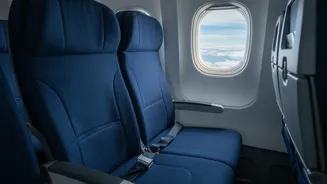
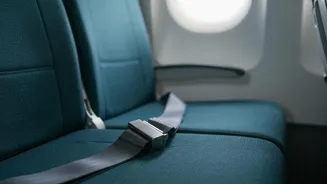
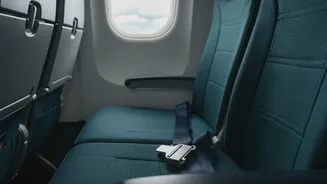
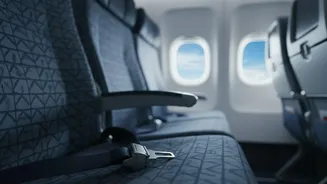
The Federal Aviation Administration (FAA) and other global aviation bodies are unequivocal in their advice: keep your seatbelt fastened at all times while seated. This doesn't mean you need to be uncomfortably cinched to your chair for a 10-hour flight. The belt should be worn low and tight across your hips, but it can be kept just snug enough to do its job without being restrictive. Think of it like wearing a seatbelt in a car; it's a simple, passive safety measure that you hope you'll never need, but it’s there to save you if you do. Turning this into an automatic habit removes anxiety and ensures you are protected from the unpredictable nature of the sky.