





A Full-Body Workout in Disguise
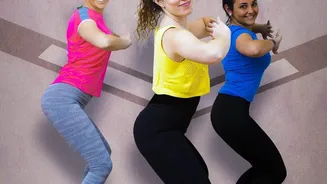
At its core, dancing is a fantastic form of physical exercise. Unlike repetitive gym routines, a dance class offers a dynamic, full-body workout that often feels more like a celebration than a chore. Regular participation can lead to significant improvements
in cardiovascular health, strengthening your heart and lungs. The varied movements, from quick steps to sustained poses, enhance muscular strength, endurance, and overall motor fitness. Many forms of dance are also low-impact, making them a joint-friendly alternative to running or high-intensity interval training. Furthermore, dancing constantly challenges your coordination, agility, and balance as you learn to control your body in new ways, which can improve posture and fluidity of movement in everyday life. It’s an effective way to manage weight and boost energy levels, all while having fun.
The Science of Social Connection
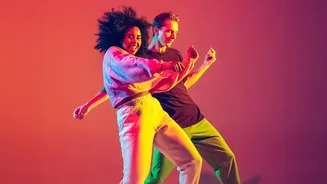
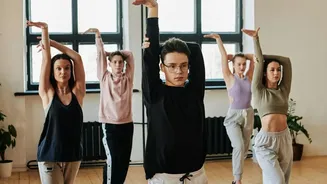
The “group” aspect of group dancing is where a unique kind of magic happens. Humans are social creatures, and moving together taps into a deep-seated need for community. When people dance in synchrony, their movements and even their brain waves can begin to harmonize, a phenomenon known as neural entrainment. This shared rhythm fosters a powerful sense of unity and belonging. Research has shown that synchronized activities trigger the release of endorphins and oxytocin, often called the “bonding hormone,” which helps build trust and emotional closeness among participants. This creates a supportive, encouraging environment where individuals can overcome shyness, build confidence, and form meaningful friendships. In a dance class, you are not just exercising in the same room; you are collaborating, communicating non-verbally, and sharing in a collective achievement, which can powerfully combat feelings of loneliness and isolation.
Moving Meditation for Stress Relief
In our fast-paced, high-stress lives, finding an outlet for mental tension is crucial. Dancing provides an active form of stress relief that engages both the mind and body. The physical exertion helps lower levels of the body's stress hormone, cortisol, while simultaneously prompting the release of mood-boosting endorphins. The focus required to learn choreography and stay in time with the music acts as a form of moving meditation. It pulls your attention firmly into the present moment, offering a temporary escape from daily worries and racing thoughts. Studies have consistently shown that dance can effectively reduce symptoms of anxiety and depression. The combination of rhythmic movement, expressive freedom, and social connection makes group dancing a potent tool for improving overall mental well-being and building emotional resilience.
A Synergy of Benefits
The true power of group dancing lies in how these three pillars—fitness, social connection, and stress relief—work together. The physical activity improves your mood, which makes socialising feel more natural and enjoyable. The supportive community keeps you motivated to continue exercising, creating a positive feedback loop. When you are moving to music you love, surrounded by friendly faces, the stress of a long day seems to melt away more effectively than it might during a solitary workout. This potent combination provides a holistic boost to your quality of life. Mastering a new step builds self-esteem, the laughter shared with a partner strengthens social bonds, and the physical release leaves you feeling both energized and calm. It’s an activity that nourishes the body, mind, and spirit all at once.