






Two Years of Unprecedented Data
NASA's PREFIRE mission, a pair of small satellites launched in 2024, has just completed two full years of continuous observation, providing a groundbreaking, detailed look at the temperatures at both the Arctic and Antarctic. The mission, which stands
for Polar Radiant Energy in the Far-InfraRed Experiment, was designed to measure a part of the energy budget that was previously difficult to track: heat radiating from the poles into space. The resulting animations and data released by the agency paint a vivid picture of seasonal pulses of warmth that go far beyond typical yearly fluctuations. This two-year milestone provides a continuous record that helps scientists understand not just that the poles are warming, but precisely how and when the heat is accumulating and being released.
It’s Not the Heat, It’s the Seasonality
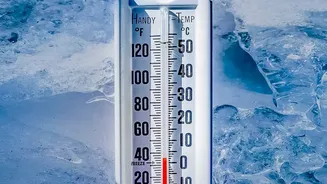
The core of the new findings isn't just about a simple rise in average temperatures; it's about the increasing intensity and duration of seasonal heat events, sometimes called marine heatwaves. These are periods, lasting five days or more, where temperatures are significantly higher than the long-term average. The Arctic, in particular, is seeing these heatwaves become hotter and more frequent. Even more concerning are heat events occurring in seasons when the poles should be at their coldest, like the Antarctic winter. One study noted that a 2025 heatwave on the Antarctic Peninsula was amplified by human-driven climate change. Such out-of-season warmth prevents the full recovery and formation of sea ice, creating a vicious cycle where less reflective ice means more ocean absorption of heat, leading to even warmer conditions.
A Tale of Two Poles
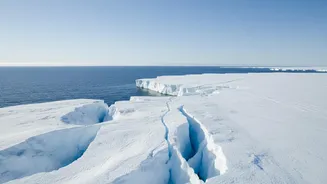
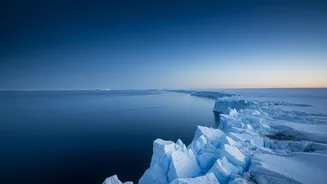
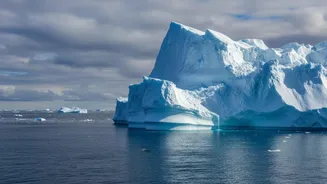
While both poles are feeling the heat, they are reacting differently. The Arctic is an ocean surrounded by land, and its summer heat is sufficient to thaw tundra and melt significant amounts of sea ice. This has dramatic implications for shipping routes, local ecosystems, and the Indigenous communities that depend on stable ice. In contrast, much of Antarctica is a massive land continent covered in ice, and even its summers largely remain below freezing. However, extreme heat events are still a major concern. A 2022 heatwave saw temperatures in East Antarctica soar up to 40°C above normal, an event that shocked scientists. This kind of extreme warmth can trigger the collapse of floating ice shelves, which act as crucial dams holding back the continent's vast land-based glaciers from sliding into the sea and raising global sea levels.
The Global Ripple Effect
What happens at the poles does not stay at the poles. The temperature difference between the chilly polar regions and the warm tropics is a primary engine of global weather. As the Arctic warms faster than the rest of the planet—a phenomenon known as Arctic amplification—this temperature gradient weakens. A weaker gradient can lead to a more meandering and unstable jet stream, the high-altitude river of air that shapes weather patterns across the Northern Hemisphere. This can result in weather systems, whether heat domes or cold snaps, getting stuck in place for longer periods, leading to more extreme and prolonged weather events in places like North America, Europe, and Asia. Some scientists are now exploring the links between polar warming and disruptions to weather patterns far away, including the Indian monsoon.