









Decoding the Business Rankings
The phrase 'IFI Showing' in the headline points to assessments like the Business Reforms Action Plan (BRAP), an annual exercise led by the Department for Promotion of Industry and Internal Trade (DPIIT), often with technical support from the World Bank,
an International Financial Institution. This isn't just another government report. Since 2014, BRAP has become a critical tool for gauging the business environment across India's states and Union Territories. It moves beyond promises by measuring the real-world implementation of reforms, with a significant portion of the assessment based on feedback from businesses themselves. States are now classified into categories like 'Top Achievers', 'Achievers', and 'Aspirers', creating a competitive drive to improve. This framework provides a clear, comparative look at which states are making tangible progress in becoming more investor-friendly.
The Reforms Fuelling the Change
The success highlighted in these rankings is built on a foundation of specific, targeted reforms. A cornerstone of this transformation is the widespread adoption of Single Window Systems. These digital platforms streamline dozens of applications and approvals—from business registration to environmental clearances—into a single, transparent process. States recognised as 'Top Achievers' have demonstrated excellence in areas like land administration, construction permits, and labour regulation enablers. Another key area has been the 'Reducing Compliance Burden' initiative, which has systematically simplified, digitized, or eliminated thousands of redundant regulations and decriminalised minor business offences through laws like the Jan Vishwas Act. These changes significantly cut down on the time and cost of doing business, especially for small and medium-sized enterprises (MSMEs).
From Policy to Profit: The Real-World Impact
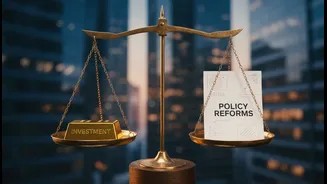
These reforms are not just theoretical exercises; they translate into tangible economic benefits. The Udyam Registration Portal, a paperless, self-declaration system for MSMEs, has seen millions of registrations, fostering a more formalized and robust small business sector. By integrating with tax networks like the GSTN, these digital systems create a seamless and efficient compliance environment. Improved rankings directly correlate with growing investor confidence. States that consistently perform well in the BRAP assessments often become preferred destinations for both domestic and foreign investment. For entrepreneurs, this means faster business setup, more transparent interactions with government agencies, and a more predictable regulatory landscape. This virtuous cycle—reform leading to recognition, recognition leading to investment, and investment leading to growth—is crucial for job creation and overall economic development.
The Road Ahead: Deepening the Reforms
While significant progress has been made, the journey is far from over. The central government is continuing to push for deeper changes. The eighth edition of BRAP was rolled out in late 2025, signaling an ongoing commitment to this competitive reform process. Furthermore, the initiative is now being taken to the grassroots level with the District Business Reform Action Plan (D-BRAP), which aims to ensure that the benefits of reform are felt in every corner of the state, not just in major industrial hubs. The ultimate goal is to create a uniformly business-friendly environment across the country. As India prepares for the World Bank's new 'B-READY' assessment, which is scheduled to include India in its 2026 report, the lessons learned and progress made through the state-level BRAP exercises will be more critical than ever.