







A Monumental Budget Reshuffle
The numbers paint a clear picture of a historic pivot in spending priorities. According to recent forecasts from research firm Gartner for 2026, while overall global IT spending is set to rise significantly to over $6.3 trillion, the distribution of that
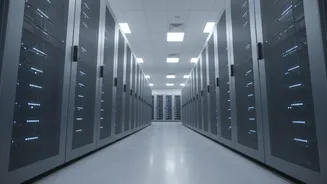
money is changing radically. Spending on data-centre systems is projected to explode by an astonishing 62.5% in a single year, reaching $822 billion. To put that in perspective, growth in other major categories is far more modest. Spending on IT services is expected to grow by just over 5%, while spending on devices like PCs and phones will see a nearly 10% rise. This disparity reveals a clear trend: companies are prioritizing the foundational infrastructure that powers modern technology over other areas of their IT expenditure. This is not a case of a rising tide lifting all boats; it is a targeted, strategic reallocation of funds on a massive scale.
The AI Engine Driving the Boom
The primary catalyst for this unprecedented investment is the artificial intelligence gold rush. The generative AI models that have captured the world's attention, from chatbots to complex image generators, have an insatiable appetite for computational power. Training and running these complex algorithms requires vast fleets of specialized servers housed in highly advanced, power-hungry facilities. Traditional data centres are simply not equipped for the task. As a result, hyperscale cloud providers and large enterprises are in a race to build next-generation data centres capable of handling these demanding AI workloads. Analysts have described this global build-out as potentially the “largest infrastructure project ever attempted by humanity,” a testament to the scale and expense involved in laying the physical groundwork for the AI era. The spending shift isn't just about buying more servers; it's about building a whole new class of infrastructure.
India's Emergence as a Data-Centre Hub
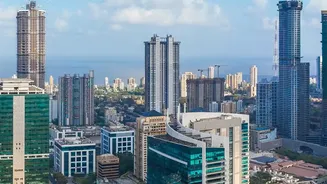
This global trend has found fertile ground in India, which is rapidly becoming one of the most significant data-centre markets in the Asia-Pacific region. The nation's data-centre capacity is on a path to more than double between 2023 and 2026, with hubs flourishing in Mumbai, Chennai, and Hyderabad. In the first half of 2026 alone, India saw a 59% year-over-year increase in new data-centre capacity additions. This explosive growth is powered by a unique combination of factors. Government policies promoting data localisation require more data to be stored within the country's borders. Furthermore, with over a billion mobile users consuming vast amounts of data and the widespread adoption of cloud services and digital payments, the domestic demand for robust digital infrastructure is immense. International and domestic players are investing billions, recognizing India as a strategic location for the future of digital services.
The Hidden Costs and Challenges
However, this construction frenzy is not without its challenges. The energy requirements for these AI-ready data centres are staggering. In some regions, the projected power demand from new data centres threatens to overwhelm local electricity grids, raising critical questions about energy infrastructure and sustainability. Building and operating these facilities also requires a highly skilled workforce, from construction and engineering to network management and cybersecurity, creating both job opportunities and potential labour shortages. Furthermore, securing suitable land with access to reliable power and fibre optic networks is becoming increasingly difficult and expensive. These factors represent the complex second-order effects of the data-centre boom, posing significant hurdles that companies and governments must navigate as they continue to invest in this critical infrastructure.