




An Ambitious New Network
Following the development of the Mumbai-Ahmedabad line, India is setting its sights on a massive expansion of its high-speed rail network. The Northern Bullet Train Corridor is a key part of this vision, recently approved by the Prime Minister, according
to the Railway Minister. The project aims to connect Delhi with major cities across North and East India, including Agra, Lucknow, Kanpur, Prayagraj, Varanasi, and Ayodhya in Uttar Pradesh, before extending through Patna in Bihar and Siliguri in West Bengal, with a proposed final stop in Guwahati, Assam. This extensive network, spanning roughly 1,500 kilometres, is designed to dramatically reshape travel and commerce across some of the country's most populous regions. The National High Speed Rail Corporation Limited (NHSRCL) has submitted the Detailed Project Report (DPR) to the Ministry of Railways, and ground survey work is already progressing.
The 59-Minute Dash to Agra
The headline-grabbing detail of the proposal is the indicative travel time between Delhi and Agra: a mere 59 minutes. This would transform the journey, which currently takes several hours by road or conventional train, into a quick commute. This specific leg is part of the larger Delhi-Varanasi corridor, which is planned as the first phase of the project. The potential for such speed could be a major boost for tourism, making day trips to see the Taj Mahal significantly more accessible for both domestic and international travellers. While these timings are still indicative and subject to final project plans, they highlight the transformative potential of high-speed rail.
Beyond the Golden Triangle
While the Delhi-Agra connection is a standout feature, the proposed corridor promises a host of other significant travel time reductions. Indicative schedules suggest a Delhi-to-Kanpur journey could take 1 hour and 45 minutes, with Delhi-to-Lucknow at 2 hours and 12 minutes. The full trip from Delhi to Varanasi is projected to take just 3 hours and 33 minutes, a drastic reduction from the current 11-12 hours by train. Other proposed times include Varanasi to Prayagraj in 33 minutes and Varanasi to Lucknow in just over an hour. These connections would link major commercial, religious, and cultural centres, fostering greater economic and social integration.
Technology and 'Make in India'
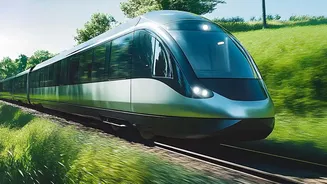
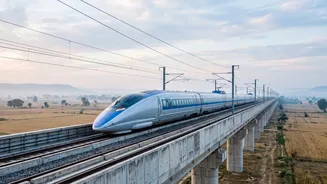
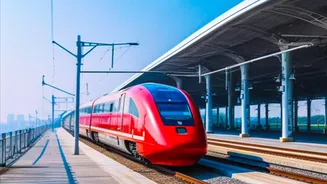
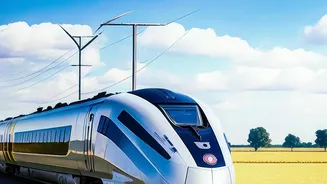
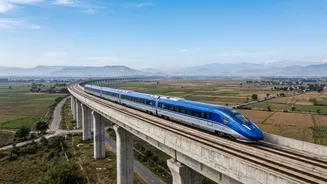
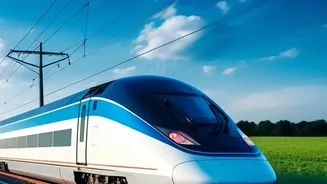
The trains are expected to operate at speeds up to 350 kmph on dedicated tracks, which are crucial for ensuring safety and reliability at such high velocities. The corridor will likely be a mix of elevated sections and tunnels to meet safety requirements. A significant aspect of the project is its alignment with the 'Make in India' initiative. The Railway Minister has emphasized that key components, from pillars and girders to the trains themselves, would be manufactured domestically. This focus is intended to not only build a world-class transport network but also to develop a robust domestic industrial ecosystem, create jobs, and build a skilled workforce capable of sustaining this advanced technology.
Economic and Social Impact
The implications of such a project extend far beyond faster travel. High-speed rail corridors are globally recognized as powerful engines for economic growth. Studies have shown that cities connected to high-speed networks can experience higher GDP growth than their unconnected neighbours. By linking industrial hubs, pilgrimage sites, and tourist destinations, the corridor is expected to boost business, enhance logistics efficiency, and create new opportunities for small and medium enterprises. The project itself is a massive job creator, with estimates from similar projects suggesting tens of thousands of jobs in construction, operations, and maintenance. For passengers, it promises not just speed but also a safer and more comfortable travel experience, which could reduce congestion on roads and conventional railways.
What Happens Next?
It is important to remember that the Northern Bullet Train Corridor is still in the proposal and planning stages. While the Prime Minister's approval is a significant milestone, the final alignment, station locations, construction schedule, and cost are yet to be finalized. The Detailed Project Report (DPR) is with the Ministry of Railways and awaits final approval from the Union Cabinet before the mammoth task of execution can begin. The government has indicated that fares will be kept economical to benefit a wide range of travellers, including middle-class families and students. As India's first bullet train project on the Mumbai-Ahmedabad route moves closer to reality, the lessons learned there will be crucial for the successful rollout of this even more ambitious northern network.