






The Unprecedented Energy Demand
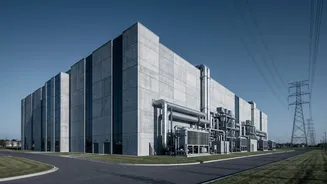
India's digital economy is expanding at a breathtaking pace. The backbone of this transformation is a rapidly growing network of data centres—the physical facilities that house the computing infrastructure for everything from cloud services to generative
AI. This growth is staggering; installed data centre capacity has surged from just 375 megawatts (MW) in 2020 to around 1,575 MW today, with projections suggesting it could reach 8-10 gigawatts (GW) by 2030. This expansion means a colossal increase in electricity consumption. The Ministry of Power projects that data centres could demand as much as 17 GW of power by 2031-32. The rise of AI supercharges this demand, as AI-specific computing racks can draw more than 10 times the power of traditional cloud racks. This surging appetite for power could see the sector's share of national electricity use grow from less than 1% today to as much as 3% by the end of the decade.
India’s Green Energy Revolution
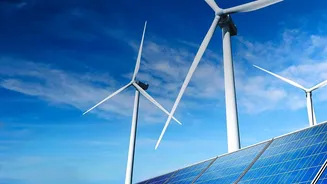
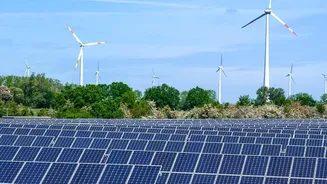
Fortunately, India's digital surge coincides with its aggressive push into renewable energy. The nation has set an ambitious target of installing 500 GW of non-fossil fuel electricity capacity by 2030, a goal it is making remarkable progress towards. Having already crossed the milestone of 50% non-fossil fuel share in its power mix in 2025, years ahead of schedule, India is well-positioned to power its future growth with clean sources. This 'green energy corridor' is supported by some of the world's lowest solar generation tariffs and massive investments in wind power, with a target of 100 GW of wind capacity by 2030. This parallel revolution in the energy sector presents a unique opportunity. Rather than seeing the data industry's power needs as a liability, India can view it as a catalyst for accelerating its clean energy transition.
A Symbiotic Relationship
The relationship between data centres and renewables is becoming increasingly symbiotic. For data centre operators, procuring renewable energy is no longer just a corporate social responsibility initiative; it's a core business strategy. Long-term power purchase agreements (PPAs) with solar and wind farms offer cost stability, hedging against volatile fossil fuel prices. For the renewable energy sector, data centres represent ideal 'anchor customers'. Their constant, predictable, and large-scale demand for power makes new solar, wind, and energy storage projects more financially viable, helping to de-risk investments and drive further expansion of green infrastructure. Companies like AdaniConneX and Nxtra by Airtel have already pledged to power their facilities with 100% renewable energy, showcasing a viable path forward. This synergy creates a powerful economic engine: green energy makes data centres more competitive, and the growth of data centres fuels further investment in green energy.
Overcoming the Green Hurdle
However, the path to powering a 24/7 digital economy with renewables is not without challenges. The primary hurdle is intermittency—solar power is only available during the day, and wind power can be unpredictable. Data centres require an exceptionally high level of reliability, often referred to as '99.999%' uptime, which intermittent renewables alone cannot guarantee. This makes robust energy storage solutions critical. While India is making strides in Battery Energy Storage Systems (BESS), the current technology typically offers only a few hours of backup power. Bridging these gaps will require a combination of solutions, including geographically diversified wind and solar projects, investments in long-duration energy storage, and modernising the national grid to better manage fluctuations.
Building a Sustainable Digital Future
To fully capitalise on this opportunity, a supportive policy framework is essential. The Indian government has already taken positive steps by granting 'infrastructure status' to data centres, which eases access to financing. Furthermore, Green Energy Open Access Rules allow large power consumers like data centres to procure renewable energy more easily. State governments in hubs like Maharashtra, Tamil Nadu, and Karnataka are also offering incentives for green-certified facilities. Looking ahead, a cohesive national data centre policy could further streamline approvals and align incentives with sustainability goals. By fostering innovation in cooling technologies, promoting indigenous manufacturing of green energy components, and investing in a resilient national grid, India can ensure its digital ambitions are not just met, but are powered cleanly and sustainably.