





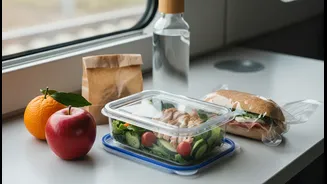


The Classic Choice: Food from Home
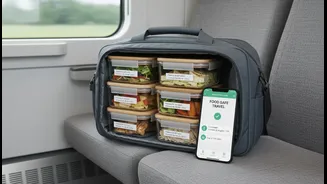
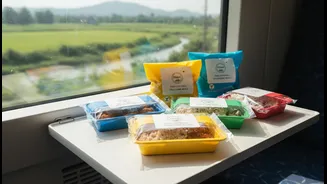
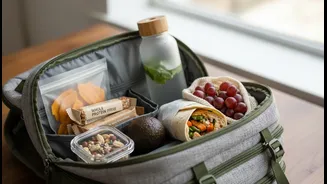
The safest bet for any journey is often a meal packed from your own kitchen. For shorter trips, simple, dry foods are best. Think parathas, idlis, or sandwiches with dry fillings. Avoid items with mayonnaise or other ingredients that spoil quickly without
refrigeration. During longer trips, rely on non-perishable snacks like fruits you can peel yourself (bananas, oranges), roasted nuts, and factory-sealed biscuits. Pack everything in clean, airtight containers to protect it from contamination. While homemade food is a great start, it may not stay fresh for journeys longer than a day, which is where other options become necessary.
Onboard Pantry vs. Station Vendors
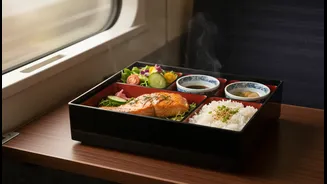
The train pantry car and station stalls present a mixed bag. While pantry food quality has been a recurring issue, with complaints about everything from stale ingredients to poor hygiene, some passengers find it the only option late at night. When possible, opt for meals that are cooked fresh and served steaming hot, as high temperatures kill most harmful bacteria. Be cautious of anything that looks like it has been sitting out for a long time. For station vendors, look for stalls that appear busy and clean. Some stations are now FSSAI-certified as 'Eat Right Stations', indicating higher hygiene standards, making them a more reliable choice for a quick bite. Always carry your own water bottle or buy sealed bottles from authorised brands like Rail Neer to avoid water-borne illnesses.
The Modern Solution: Food Delivery Apps
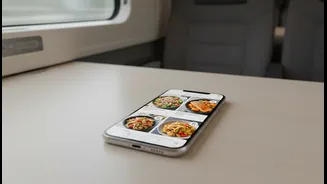
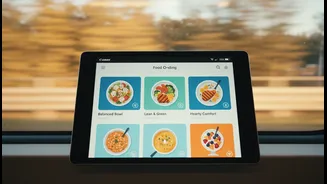
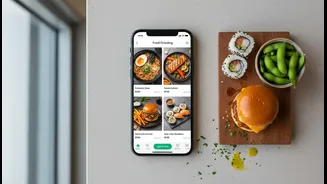
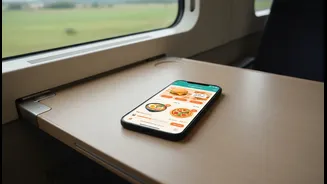
In recent years, food delivery apps authorised by IRCTC, such as RailRestro and Zoop, have changed the game. These services connect passengers with a network of FSSAI-approved restaurants at major stations, delivering meals directly to your seat. The main advantage is the wider variety of cuisines and the accountability that comes with licensed restaurants. These platforms often use tamper-proof packaging to ensure the food remains hygienic from the restaurant to your seat. To use these services, you typically enter your PNR number into the app, choose a restaurant at an upcoming station, select your meal, and pay online or with cash on delivery.
Ordering Smartly from Apps
While apps offer more choice, it's still important to be a savvy customer. Before ordering, check the restaurant's ratings and reviews within the app. Pay attention to feedback on food quality, portion size, and delivery punctuality. Place your order well in advance, ideally 60-90 minutes before your train is scheduled to arrive at the delivery station, to give the restaurant enough time to prepare it fresh. Provide your correct coach and berth number to avoid delivery mishaps. While many users report positive experiences with fresh, tasty food, others have faced issues like missed deliveries or wrong orders, so it pays to be prepared.
Red Flags and General Precautions
Regardless of where your food comes from, some universal rules apply. Always wash your hands with soap and water or use a hand sanitiser before eating. Avoid raw or undercooked foods, including salads and cut fruits, if you cannot verify they were prepared hygienically. Be wary of dairy products like milk or cheese unless they are pasteurised and properly stored. If a food item smells off, looks discoloured, or the packaging is damaged, it is best not to consume it. Any concerns about food quality from official railway services should be reported immediately through the IRCTC helpline or social media channels.
What to Do If You Get Sick
Despite all precautions, food poisoning can still happen. Common symptoms include nausea, vomiting, diarrhoea, and stomach cramps. The most important thing is to stay hydrated by sipping small amounts of clean, bottled water or an oral rehydration solution (ORS). It's wise to carry a basic medical kit with medications for diarrhoea and nausea. If symptoms are severe, include high fever or blood in your stool, or if they persist for more than a day or two, it is crucial to seek medical attention at the earliest opportunity.