





A New Rocket for a Critical Job
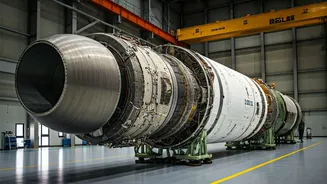
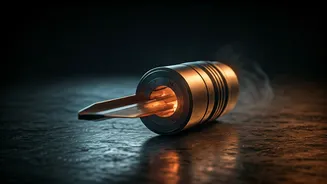
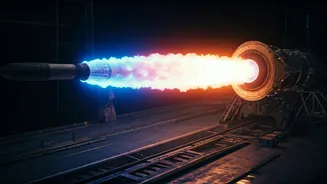
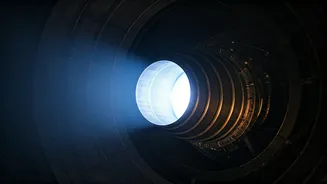
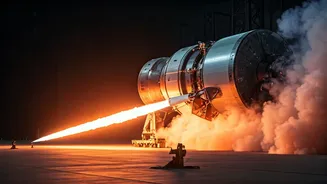
The Indian Space Research Organisation (ISRO) successfully conducted the first ground test of a new solid rocket motor on July 3rd at the Satish Dhawan Space Centre in Sriharikota. This motor is not for the main Gaganyaan rocket but for a new, dedicated
vehicle called the Sub-Orbital Launch Vehicle for Experiments, or SOLVE. According to ISRO, the motor performed exactly as expected, marking a significant success in the ongoing preparations for India's first human spaceflight mission. This SOLVE vehicle has a very specific and vital purpose: to serve as a flexible test platform for the most critical safety element of the mission – bringing the astronauts home.
The Parachute Testbed
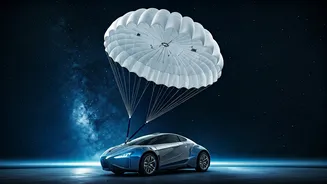
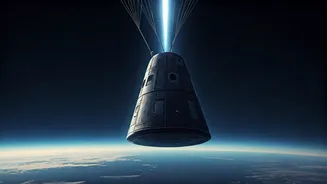
Sending a crew to a 400-kilometer orbit is only half the challenge; the other half is ensuring their safe return. The SOLVE rocket is designed to do just that, by repeatedly testing the Gaganyaan crew module's deceleration system. In future tests, the SOLVE vehicle will carry a mock crew module to an altitude between 10 and 17 kilometres. Once it reaches the target height, it will release the module, triggering a complex sequence of 10 parachutes designed to slow the capsule's descent before it splashes down in the sea. This system, which includes various types of parachutes from smaller pilot chutes to large main ones, must work perfectly every time.
Ingenuity in Engineering
To build the SOLVE rocket, ISRO engineers cleverly adapted existing, proven technology. The solid motor is derived from the strap-on boosters used in the workhorse Polar Satellite Launch Vehicle (PSLV). However, it's not a simple copy-paste. The motor has been significantly modified for its new role. These changes include a special, slow-burning propellant and a new nozzle with a steering system called secondary injection thrust vector control. These modifications allow ISRO to create a more controlled and flexible test environment, simulating a wide range of conditions that the crew module might face during an actual return journey.
Milestone on the Path to Gaganyaan
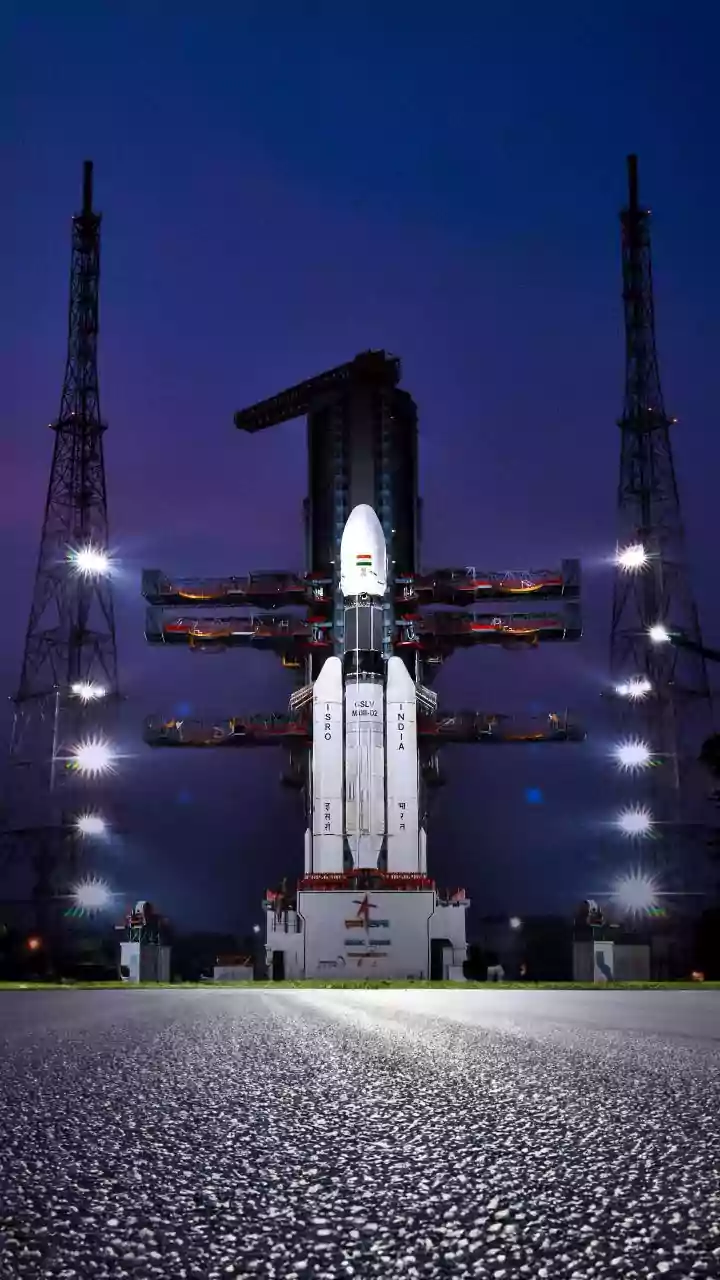
The Gaganyaan mission is one of India's most ambitious scientific projects, aiming to make the nation only the fourth in the world to independently send humans into space. Achieving this goal requires a staggering level of testing and validation to ensure astronaut safety. This successful test of the SOLVE motor is the latest in a long series of such milestones, including integrated air-drop tests and behavioural studies with the four selected astronaut candidates. Before the first crewed flight, ISRO plans to conduct uncrewed missions to prove the reliability of every system, from the human-rated LVM3 rocket to the Crew Escape System and the parachute-based recovery.