







Understanding E20 Petrol and Its Water Problem
E20 petrol is a blend of 80% petrol and 20% ethanol. India has widely adopted it to reduce import dependency and lower emissions. However, ethanol has a specific chemical property that becomes significant during the monsoon: it is 'hygroscopic'. This
means it actively attracts and absorbs water molecules from its environment. While this isn't a major issue in dry weather, the high humidity and persistent rain of the monsoon season create a perfect storm for potential problems. When enough water gets into E20 fuel, a process called 'phase separation' can occur. The ethanol, having a stronger affinity for water than for petrol, separates from the petrol and binds with the water. This creates a dense, corrosive water-ethanol mixture that sinks to the bottom of the fuel tank.
How Rainwater Enters the Fuel Supply
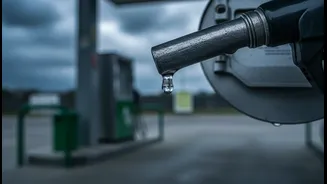
The contamination risk exists at two main points: the petrol pump and the vehicle itself. At fuel stations, rainwater can seep into underground storage tanks, especially if seals are old or compromised. High humidity also causes condensation inside these large tanks. Since fuel dispensers draw petrol from the bottom of the tank, they can inadvertently pump the separated water-ethanol sludge into a customer's vehicle. Some petrol pump owners, speaking anonymously, have raised concerns that the existing underground infrastructure was designed for conventional petrol and is more vulnerable to contamination with higher ethanol blends, particularly in coastal and heavy rainfall areas. In your own vehicle, a worn-out or poorly sealed fuel cap can allow rainwater or moisture from a pressure wash to enter the tank.
What Pump Owners Are Doing
Petrol pump dealers are on the frontline of this issue. According to reports, many have been instructed by oil marketing companies (OMCs) to increase their vigilance. Standard procedure involves using a dipstick with water-finding paste to check underground tanks for water multiple times a day. During the monsoon, these checks are often increased to once every two hours. If contamination is found, the OMCs are notified to send personnel to drain the water. However, dealers have also expressed frustration, stating they often bear the financial losses from discarded, contaminated fuel. While OMCs like Indian Oil maintain they have a zero-tolerance policy for contamination, some dealers feel more transparency is needed to educate customers about the risks.
Signs of Contaminated Fuel in Your Vehicle
If your vehicle has been filled with water-contaminated E20 petrol, the symptoms are usually hard to miss. Because the fuel pump draws from the bottom of the tank, it feeds the non-combustible water-ethanol mixture directly to the engine. This can cause immediate issues like violent jerking, sputtering, hesitation during acceleration, and a noticeable loss of power. Your engine might struggle to start, run roughly when idling, or stall completely. In many cases, the 'Check Engine' light will illuminate on your dashboard as the engine's sensors detect the abnormal combustion.
Protecting Your Vehicle This Monsoon
While the risk is real, panicking is not the answer. Awareness and a few simple habits can significantly lower your risk. Firstly, try to fill up at reputable, high-turnover petrol pumps; their fuel stock is likely to be fresher. Avoid filling up during or immediately after a heavy downpour, especially if the station appears waterlogged. Before opening your fuel lid, wipe away any standing water or debris to prevent it from falling into the tank. Another key tip is to keep your fuel tank at least half-full. This reduces the amount of empty air space inside, minimising condensation. If you rarely use your vehicle, don't let it sit with a low tank for extended periods. Try to take it for a short drive every few days to keep the fuel system active.